

Waterproof Toilet Seals: Long-Lasting Solutions for Your Toilet
A reliable toilet seal is essential for preventing leaks, odors, and costly water damage. Among the many options available today, waterproof toilet seals stand out for their durability and performance. Whether you are a homeowner, plumber, or distributor, understanding how these seals work can help you choose a solution that lasts for years.
What Is a Waterproof Toilet Seal?
A waterproof toilet seal is a sealing component installed between the toilet base and the floor flange. Its main function is to create an airtight and watertight barrier that prevents wastewater and sewer gases from escaping.
Traditional wax rings have been widely used for decades, but modern waterproof seals made from rubber, silicone, or foam are becoming increasingly popular due to their reliability and ease of installation.
Why Waterproof Performance Matters
Toilets are exposed to constant moisture, pressure changes, and temperature fluctuations. A poor-quality seal can lead to:
Water leaks around the toilet base
Unpleasant sewer odors
Floor and subfloor damage
Mold and mildew growth
Frequent maintenance or replacement
Waterproof toilet seals are engineered to maintain integrity under these conditions, making them a smarter long-term investment.
Key Benefits of Waterproof Toilet Seals
1. Superior Leak Protection
High-quality waterproof materials maintain compression and elasticity over time. This ensures a tight seal even if the toilet experiences slight movement or floor settling.
2. Longer Service Life
Unlike traditional wax rings that can dry out or deform, modern waterproof seals resist cracking, shrinking, and hardening. Many premium options last significantly longer than wax alternatives.
3. Easy Installation
Most waterproof seals are designed for clean, tool-friendly installation. They are less messy than wax rings and allow repositioning during setup, which reduces installation errors.
4. Better Temperature Resistance
Rubber and silicone seals perform well in both hot and cold environments. This makes them suitable for a wide range of climates and bathroom conditions.
5. Reusability (Selected Designs)
Some advanced waterproof toilet seals can be repositioned or reused if the toilet is removed shortly after installation, offering added flexibility for installers.
Common Types of Waterproof Toilet Seals
Wax-Free Rubber Seals
These seals use flexible rubber to create a compression fit. They are popular for their durability and consistent sealing performance.
Best for: Standard residential installations and quick replacements.
Silicone Toilet Seals
Silicone provides excellent elasticity and chemical resistance. It is often used in premium or OEM applications where long-term performance is critical.
Best for: High-end toilets and long-life requirements.
Foam Gasket Seals
High-density foam gaskets offer strong compression and adaptability to uneven surfaces. They are lightweight and easy to install.
Best for: DIY users and uneven floor conditions.
Hybrid Multi-Layer Seals
Some modern products combine foam, rubber, and plastic reinforcement for maximum reliability.
Best for: Commercial projects and heavy-use bathrooms.
How to Choose the Right Waterproof Toilet Seal
Selecting the correct seal depends on several factors.
Consider the Flange Height
Measure whether the flange is above, flush with, or below the finished floor. Some seals are designed specifically for low or offset flanges.
Check Toilet Compatibility
Ensure the seal matches the outlet size and toilet design. Most modern seals support standard 3-inch and 4-inch outlets.
Evaluate Material Quality
Look for:
High-grade rubber or silicone
Aging resistance
Compression recovery performance
Chemical resistance
Think About Installation Conditions
For DIY projects, choose a user-friendly, repositionable design. For large-scale or OEM applications, prioritize durability and consistency.
Installation Tips for Maximum Performance
Proper installation is just as important as product quality.
Clean the flange and floor thoroughly before installation.
Ensure the flange is securely fastened.
Center the seal carefully on the flange.
Lower the toilet straight down without twisting excessively.
Tighten bolts evenly to avoid uneven compression.
Following these steps helps ensure a leak-free result.
When Should You Replace a Toilet Seal?
Even long-lasting waterproof seals should be inspected if you notice:
Water pooling around the toilet base
Persistent sewer smells
Toilet rocking or instability
Signs of floor damage
Preventive replacement during toilet upgrades or bathroom renovations is also recommended.
Why Manufacturers and Suppliers Prefer Waterproof Designs
For toilet manufacturers, distributors, and plumbing brands, waterproof seals offer clear advantages:
Reduced warranty claims
Improved customer satisfaction
Easier global shipping (no wax deformation)
Better performance consistency
Compatibility with modern toilet designs
Because of these benefits, many OEM projects now specify wax-free waterproof sealing solutions.
Final Thoughts
Waterproof toilet seals represent a major improvement over traditional wax rings. With better durability, cleaner installation, and reliable leak protection, they provide a long-lasting solution for both residential and commercial toilets.
Choosing the right material and installing it correctly can prevent costly repairs and ensure your toilet system performs flawlessly for years. For homeowners and industry buyers alike, upgrading to a high-quality waterproof toilet seal is a smart, future-proof decision.
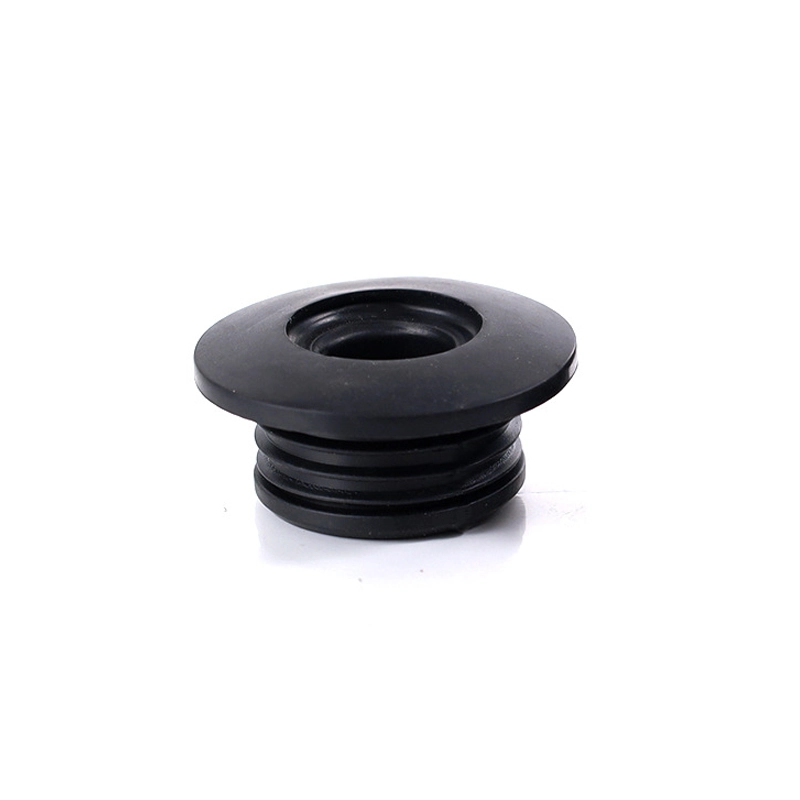 Urinal Sensor Inlet Seal Gasket Factory Replacement
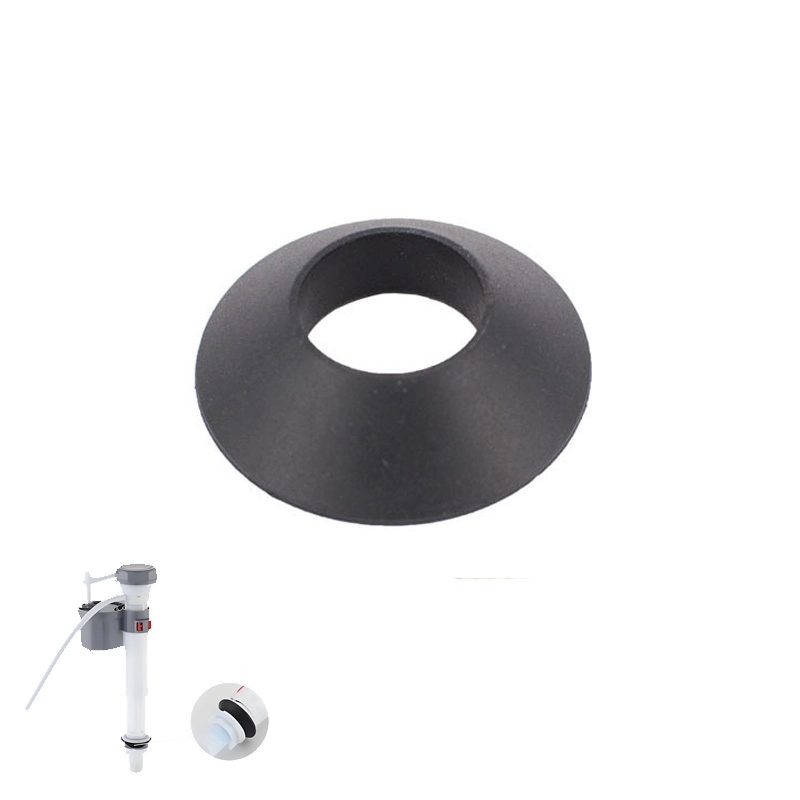 Toilet Tank Fill Valve Conical Seal Factory Replacement
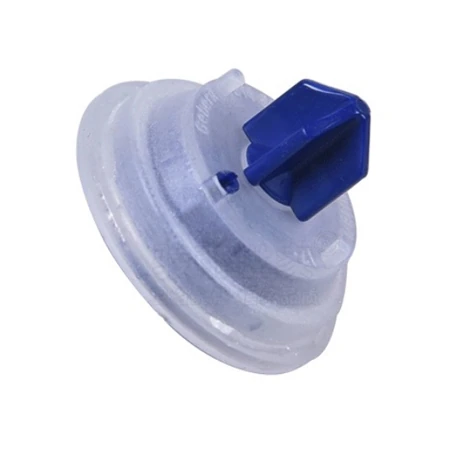 Wholesale Toilet Cistern Inlet Valve Diaphragm Washers
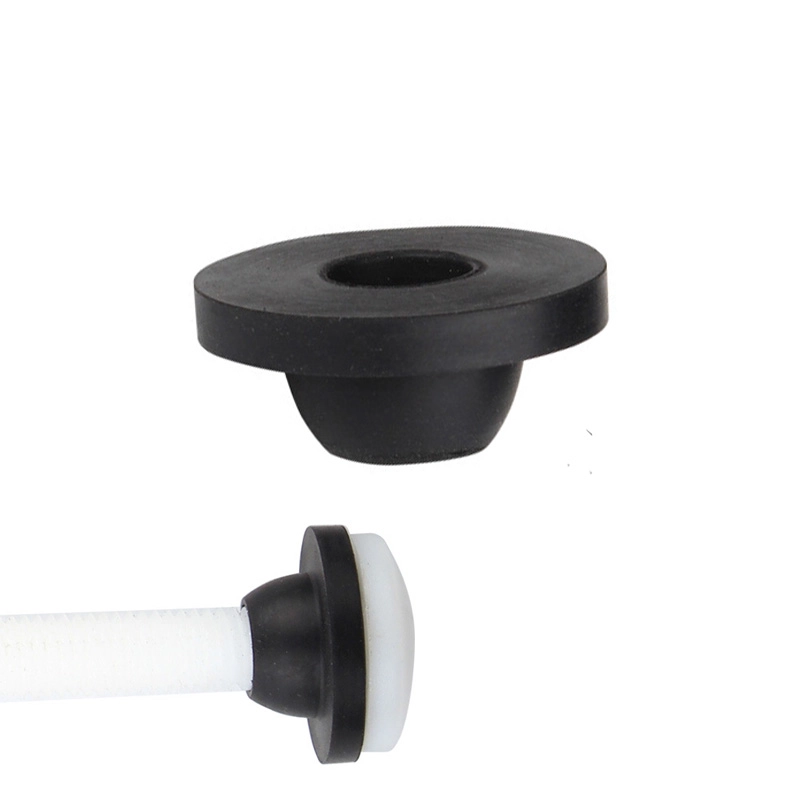 Conical Rubber Washers for Toilet Bolts Factory Wholesale