

How to Fix a Leaking Toilet Seal: Step‑by‑Step DIY Repair Guide
A leaking toilet seal is one of the most common bathroom problems homeowners, property managers, and maintenance teams face. If left untreated, a small leak can quickly lead to water damage, bad odors, mold growth, and costly repairs.
The good news? In most cases, fixing a leaking toilet seal is a simple DIY repair that can be completed in under an hour with basic tools.
This guide explains how to identify a leaking toilet seal, fix it step‑by‑step, and prevent future leaks — all while helping you choose the best replacement seal for long‑term performance.
What Is a Toilet Seal?
A toilet seal (also called a wax ring, rubber toilet seal, or toilet gasket) sits between the toilet base and the floor flange. Its purpose is to create a watertight and airtight barrier that prevents:
• Water leaks
• Sewer gas odors
• Floor damage
• Bacteria growth
When the seal wears out or becomes misaligned, leaks can develop around the toilet base.
Common Causes of a Leaking Toilet Seal
Toilet seals typically fail due to normal wear or improper installation. The most common causes include:
• Worn or cracked wax ring
• Aging rubber toilet seal
• Loose toilet mounting bolts
• Improper installation
• Toilet movement or rocking
• Uneven bathroom flooring
• Incorrect flange height
Even small movement over time can break the seal and cause slow leaks.
Signs Your Toilet Seal Is Leaking
Look for these warning signs:
• Water pooling around the toilet base
• Persistent sewer odor in the bathroom
• Toilet rocks when you sit on it
• Floor discoloration or soft flooring
• Water appearing after flushing
If you notice any of these symptoms, it’s best to repair the seal as soon as possible.
Tools and Materials You'll Need
Before starting, gather the following tools and materials:
• Adjustable wrench
• Putty knife or scraper
• Sponge or towels
• Rubber gloves
• Cleaning disinfectant
• New toilet seal (wax ring or rubber toilet seal)
• Replacement closet bolts (optional)
Having everything ready helps make the repair faster and cleaner.
Step‑by‑Step: How to Fix a Leaking Toilet Seal
Step 1: Turn Off the Water Supply
Locate the shut‑off valve behind the toilet and turn it clockwise to stop the water supply. Flush the toilet to empty the tank and bowl.
Use a sponge or towel to remove any remaining water.
Tip: Place towels around the toilet base to prevent water spills.
Step 2: Disconnect and Remove the Toilet
Follow these steps:
• Disconnect the water supply line
• Remove bolt caps at the toilet base
• Unscrew the closet bolts
• Gently rock the toilet to break the seal
• Lift the toilet straight up
Place the toilet on a towel or cardboard surface to avoid damage.
Safety Tip: Toilets are heavy — consider asking for help.
Step 3: Remove the Old Toilet Seal
Use a putty knife to remove the old wax ring or rubber seal from:
• Toilet outlet
• Floor flange
Clean the area thoroughly to ensure a smooth sealing surface.
This step is critical for preventing future leaks.
Step 4: Install the New Toilet Seal
Place the new seal carefully onto the flange or toilet outlet.
Best practices:
• Center the seal carefully
• Do not stack wax rings
• Use high‑quality rubber or silicone seals
• Follow manufacturer instructions
Modern rubber toilet seals often last longer than traditional wax rings and perform better in commercial or high‑traffic bathrooms.
Step 5: Reinstall the Toilet
Carefully lower the toilet straight onto the mounting bolts.
Then:
• Apply even pressure to compress the seal
• Tighten bolts gradually
• Alternate tightening sides
• Avoid overtightening
Overtightening can crack the toilet base.
The toilet should sit firmly without rocking.
Step 6: Reconnect Water and Test
• Reattach water supply line
• Turn water back on
• Flush multiple times
• Check carefully for leaks
If the base remains dry, your repair was successful.
Pro Tips to Prevent Future Toilet Seal Leaks
To extend the life of your toilet seal:
✔ Use high‑quality replacement seals
✔ Ensure proper flange height
✔ Avoid toilet movement
✔ Tighten mounting bolts periodically
✔ Inspect commercial toilets regularly
For manufacturers and distributors, using precision‑molded seals helps reduce warranty claims and service calls.
When to Replace Instead of Repair
Sometimes a simple seal replacement isn't enough. Consider full replacement if:
• Flange is broken
• Toilet base is cracked
• Floor is water‑damaged
• Leak continues after repair
In these situations, professional plumbing repair may be required.
Why Seal Quality Matters
Not all toilet seals perform the same. High‑quality seals offer:
• Longer service life
• Better elasticity
• Chemical resistance
• Improved leak prevention
• Reduced maintenance costs
Silicone and EPDM toilet seals are commonly used in modern toilets due to durability and reliability.
For OEM brands and distributors, custom‑engineered toilet seals ensure better compatibility and long‑term performance.
Frequently Asked Questions (FAQ)
How long does a toilet seal last?
Most wax rings last 5–10 years, while high‑quality rubber or silicone seals may last longer depending on usage.
Can I fix a leaking toilet without removing it?
No. In most cases, the toilet must be removed to properly replace the seal.
Are rubber toilet seals better than wax rings?
Rubber seals are more durable, reusable, and easier to install, especially in commercial environments.
Conclusion
Fixing a leaking toilet seal is a simple DIY repair that helps prevent water damage, eliminate odors, and extend toilet lifespan. By following proper installation steps and using a high‑quality replacement seal, you can ensure reliable, leak‑free performance.
For manufacturers, wholesalers, and distributors, sourcing durable toilet seals from an experienced OEM manufacturer improves product reliability and customer satisfaction.
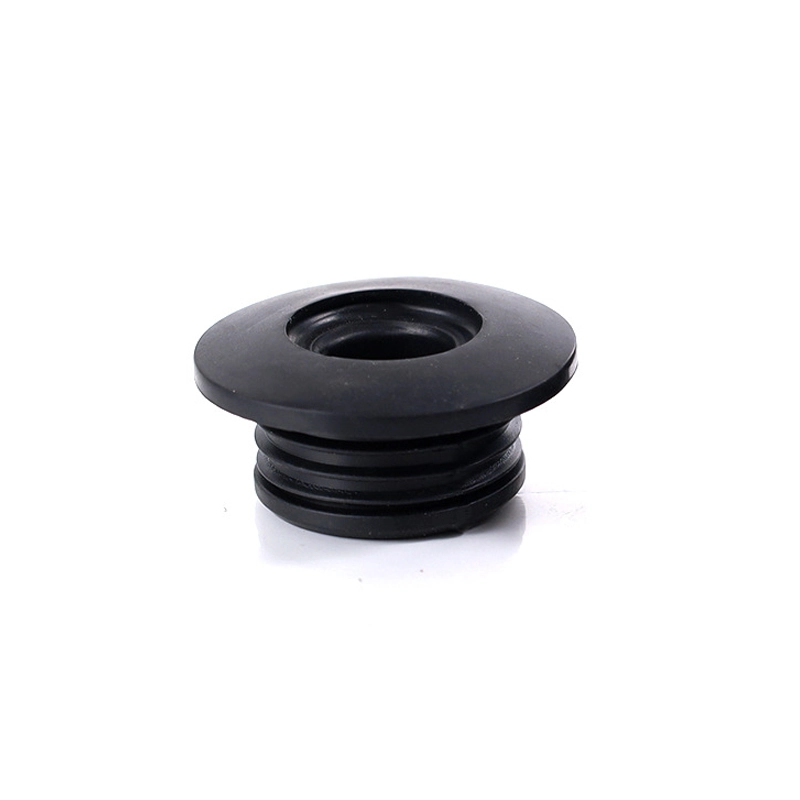 Urinal Sensor Inlet Seal Gasket Factory Replacement
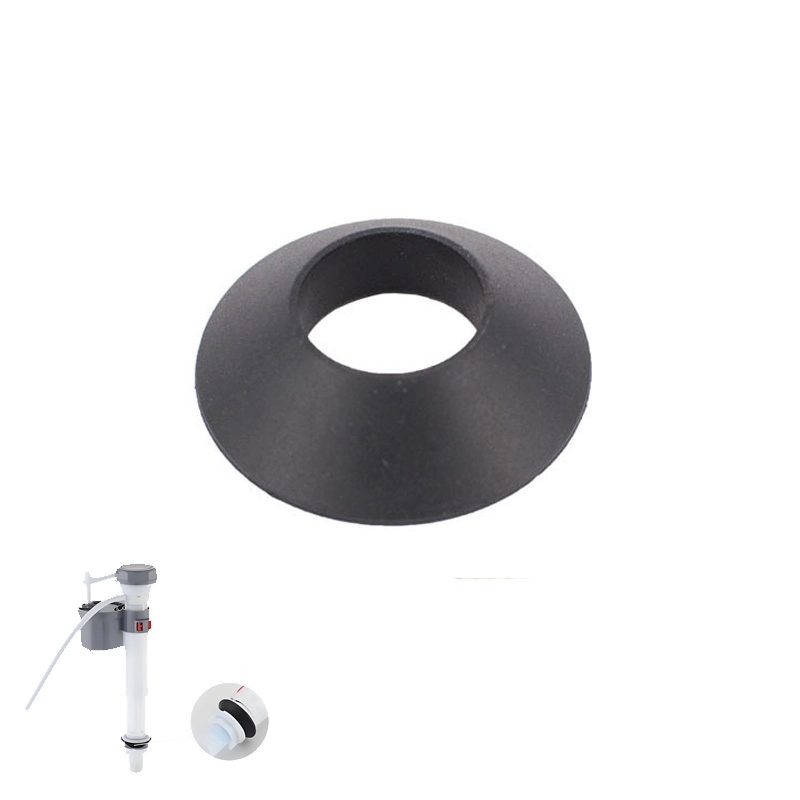 Toilet Tank Fill Valve Conical Seal Factory Replacement
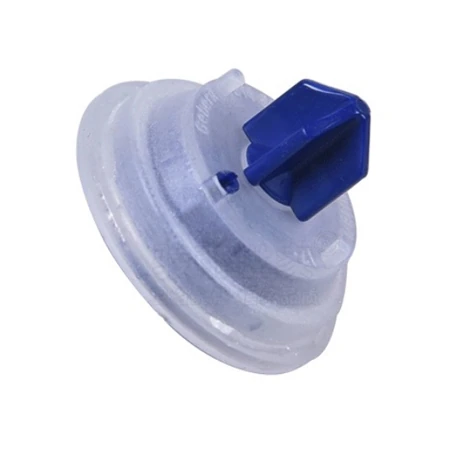 Wholesale Toilet Cistern Inlet Valve Diaphragm Washers
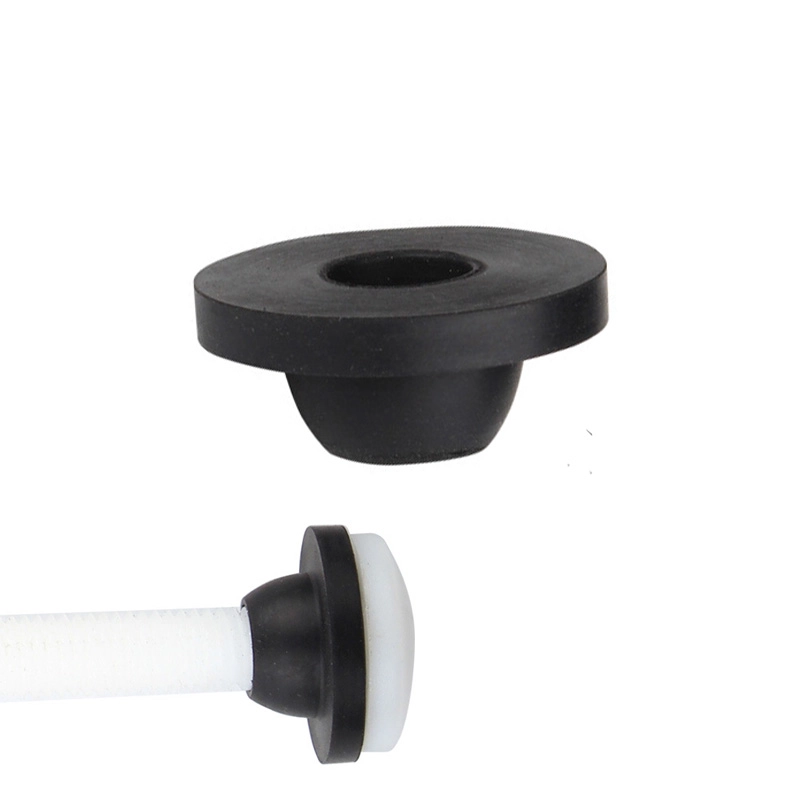 Conical Rubber Washers for Toilet Bolts Factory Wholesale