

Toilet Seals for Low‑Flow Toilets: How to Choose the Right Flush Valve Seal
Low‑flow toilets are designed to save water, reduce utility costs, and meet modern efficiency standards. However, these water‑saving systems also place higher demands on internal components—especially the toilet seal.
Choosing the right toilet seal for a low‑flow toilet is critical for preventing leaks, maintaining flush performance, and extending product lifespan. In this guide, we’ll walk through what to consider, common mistakes to avoid, and how to choose the best toilet seals for low‑flow toilets.
Why Low‑Flow Toilets Require High‑Performance Seals
Most modern low‑flow toilets use 1.6 gallons per flush (GPF) or less, while older toilets used 3.5 GPF or more. With less water volume and lower pressure, every component must work more precisely — especially the flush valve seal.
A high‑quality low‑flow toilet seal must:
• Maintain a tight, leak‑free seal
• Open quickly during flush cycles
• Close reliably with minimal water pressure
• Resist deformation from frequent use
• Maintain elasticity over time
When standard or low‑quality seals are used in low‑flow toilets, common issues include:
• Slow tank leaks
• Phantom flushing
• Weak flush performance
• Frequent maintenance
• Higher long‑term costs
This is why selecting the correct toilet flush valve seal is especially important for low‑flow toilet systems.
6 Key Factors When Choosing Toilet Seals for Low‑Flow Toilets
1. Material Quality Matters Most
Material selection is the most important factor when choosing toilet seals for low‑flow toilets.
Recommended Materials
Silicone Rubber
• Excellent elasticity
• Long service life
• Resistant to temperature changes
• Ideal for premium low‑flow toilets
EPDM Rubber
• Strong chemical resistance
• Good durability
• Cost‑effective for large‑scale production
High‑Grade Rubber Compounds
• Budget‑friendly
• Suitable for general applications
• Moderate lifespan
Why Material Matters
Low‑flow toilets rely on precision sealing. Inferior materials may:
• Harden over time
• Crack or deform
• Lose elasticity
• Cause slow leaks
Pro Tip: Silicone toilet seals typically offer the longest lifespan and best performance in modern low‑flow toilet systems.
2. Seal Compatibility and Size Accuracy
Low‑flow toilet designs vary by brand and model. Even small dimensional differences can cause leakage or poor flushing performance.
Important considerations:
• Exact diameter and thickness
• Flush valve compatibility
• OEM specification matching
• Custom molding capability
For manufacturers and distributors, working with an OEM toilet seal manufacturer that supports custom drawings or samples is highly recommended.
Precision‑engineered seals ensure proper seating and consistent performance.
3. Durability Under Frequent Flush Cycles
Low‑flow toilets often rely on optimized valve timing to compensate for reduced water volume. This can increase seal movement frequency.
Look for seals with:
• High rebound resilience
• Compression set resistance
• Tear resistance
• Long cycle life testing
High‑quality toilet flush valve seals should withstand tens of thousands of flush cycles without deformation.
This improves:
• Product reliability
• Customer satisfaction
• Reduced warranty claims
4. Water and Chemical Resistance
Toilet tank environments expose seals to:
• Chlorinated water
• Hard water minerals
• Cleaning chemicals
• Temperature changes
Choose materials with:
• Anti‑aging properties
• Scale resistance
• Stable elasticity
• Chemical resistance
Both silicone and EPDM perform well in chemically treated water environments.
5. Performance in Low‑Pressure Systems
Low‑flow toilets operate with reduced hydraulic force. The seal must open and close efficiently with minimal water pressure.
Important design features:
• Flexible sealing lip
• Smooth sealing surface
• Balanced hardness (Shore A)
• Fast response during flushing
If the seal is:
• Too hard → May not open properly
• Too soft → May cause slow leaks
Balanced design is essential for consistent flushing performance.
6. OEM Customization Capabilities
For toilet manufacturers, wholesalers, and private‑label brands, customization is often necessary.
A reliable toilet seal supplier should offer:
• OEM / ODM manufacturing
• Custom molds based on drawings or samples
• Material formulation options
• Low MOQ support
• Stable production quality
Custom‑engineered seals ensure compatibility with modern low‑flow toilet designs.
Common Problems Caused by Incorrect Low‑Flow Toilet Seals
Using the wrong toilet seal in a low‑flow system can lead to:
• Phantom flushing
• Continuous tank leaks
• Weak or incomplete flush
• Increased water bills
• Premature valve wear
• Customer complaints
These issues increase maintenance costs and reduce product reliability.
How to Choose a Reliable Toilet Seal Supplier
When sourcing toilet seals for low‑flow toilets, evaluate suppliers based on:
• Manufacturing experience
• Material certifications
• Mold precision capability
• Quality control systems
• Global export experience
• Engineering support
• Sample availability
A professional toilet seal manufacturer should provide:
• Technical drawings
• Material data sheets
• Sample testing
• Consistent batch production
Final Thoughts
Low‑flow toilets demand higher precision from every internal component—especially the toilet seal. Choosing the right material, size accuracy, durability, and supplier ensures reliable performance and long‑term cost savings.
Whether you're a toilet manufacturer, distributor, or brand owner, investing in high‑quality toilet seals designed for low‑flow systems is essential for improving product reliability and staying competitive in today’s water‑saving market.
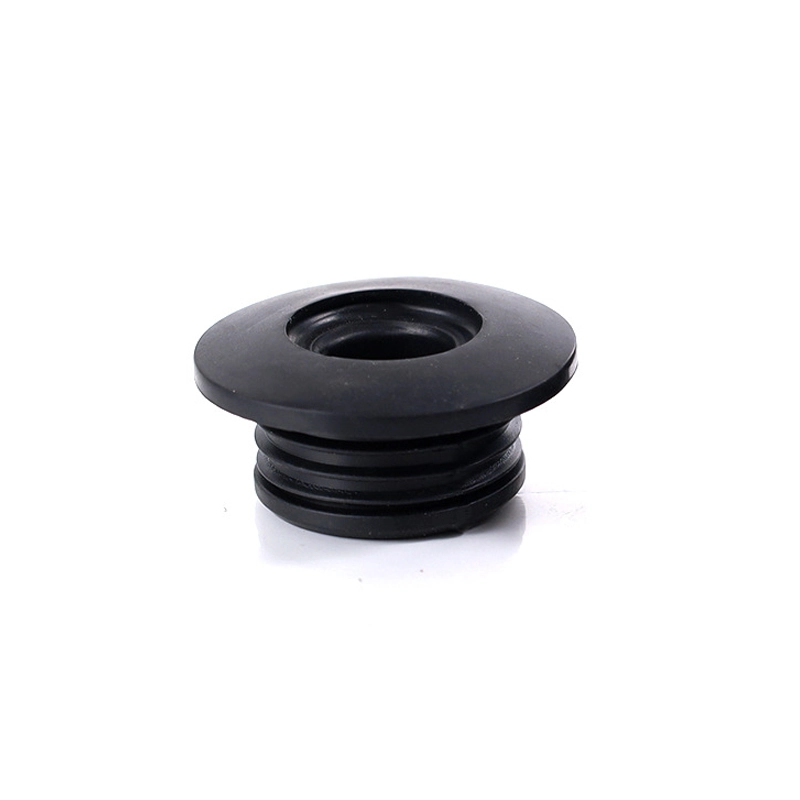 Urinal Sensor Inlet Seal Gasket Factory Replacement
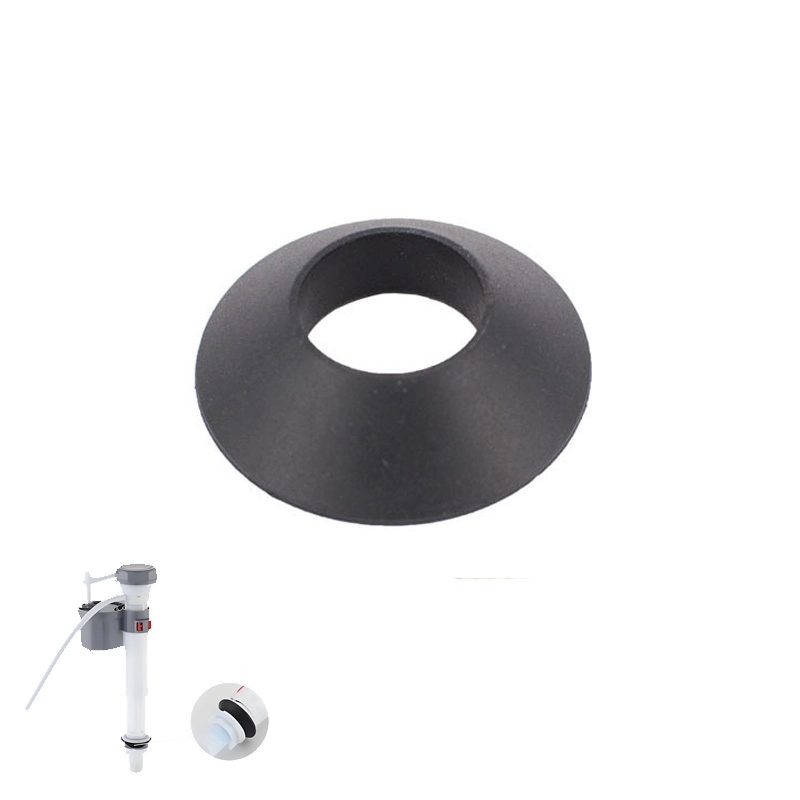 Toilet Tank Fill Valve Conical Seal Factory Replacement
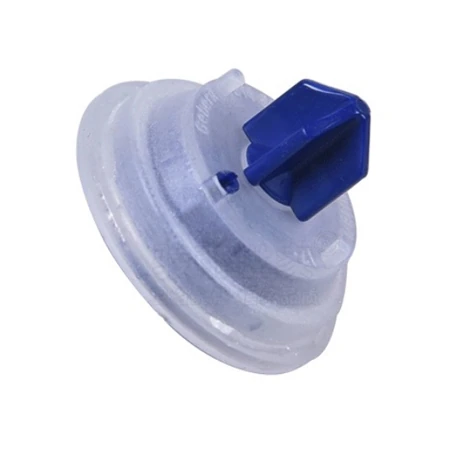 Wholesale Toilet Cistern Inlet Valve Diaphragm Washers
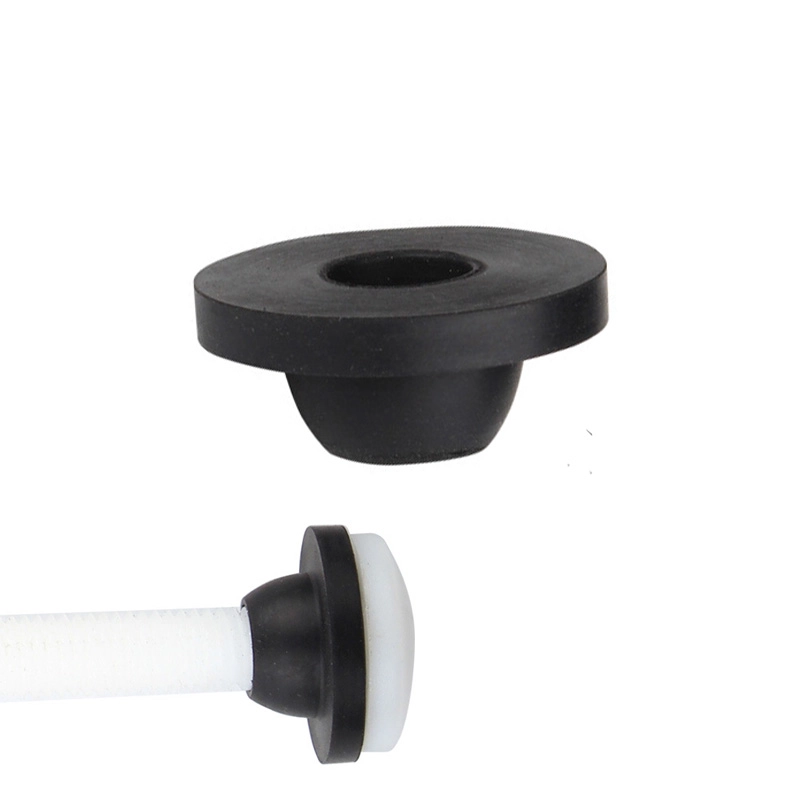 Conical Rubber Washers for Toilet Bolts Factory Wholesale