

How to Fix an Uneven Floor with the Right Toilet Seal
An uneven bathroom floor can quickly turn a simple toilet installation into a frustrating problem. If your toilet rocks, leaks, or fails to sit flush, the issue is often not the toilet itself—but the seal underneath. Choosing the right toilet seal and installing it properly can eliminate wobbling, prevent leaks, and extend the life of your plumbing system.
This guide explains how to fix an uneven floor using the correct toilet seal, step by step.
Why Uneven Floors Cause Toilet Problems
Bathroom floors are rarely perfectly level. Over time, tile settling, subfloor damage, or improper installation can create height differences. When a toilet sits on an uneven surface, several problems may occur:
Toilet rocking or movement
Water leakage at the base
Sewer gas odors
Premature seal failure
Cracked toilet base (in severe cases)
The toilet seal must compensate for these gaps. A standard wax ring often cannot handle significant unevenness.
Choosing the Right Toilet Seal for Uneven Floors
Not all seals perform equally on uneven surfaces. Selecting the proper type is the most important step.
1. Extra-Thick Wax Ring
Best for: Minor unevenness (≤ 1/4 inch)
An extra-thick wax ring provides additional compression to fill small gaps between the toilet flange and the toilet outlet.
Pros:
Low cost
Easy to install
Widely available
Cons:
Can fail if the floor is very uneven
Not reusable
Sensitive to temperature
2. Wax Ring with Plastic Horn
Best for: Moderate uneven floors
This design includes a polyethylene horn that helps guide waste into the drain while improving sealing performance.
Pros:
Better alignment
Improved leak resistance
Still affordable
Cons:
Limited flexibility for large gaps
One-time use
3. Wax-Free Toilet Seal (Rubber or Foam)
Best for: Noticeably uneven floors
Modern wax-free seals are highly recommended for uneven installations because they are more forgiving and durable.
Pros:
Flexible and forgiving
Cleaner installation
Repositionable
Better for DIY users
Cons:
Slightly higher cost
Must match flange height correctly
4. Stackable or Spacer Seals
Best for: Severely uneven floors or low flanges
These systems allow you to build up the seal height to match floor irregularities.
Pros:
Adjustable height
Professional-grade solution
Excellent for problem floors
Cons:
Requires careful sizing
More installation steps
Tools and Materials You’ll Need
Before starting, gather:
Adjustable wrench
Putty knife
Towels or rags
New toilet seal (correct type)
Toilet shims (plastic recommended)
Level
Gloves
Disinfectant cleaner
Step-by-Step: Fixing an Uneven Floor with the Right Toilet Seal
Step 1: Turn Off Water and Remove the Toilet
Shut off the water supply valve
Flush to empty the tank
Sponge out remaining water
Disconnect the supply line
Remove mounting nuts
Carefully lift the toilet
Place it on a towel or cardboard.
Step 2: Inspect the Flange and Floor
Check for:
Broken or loose flange
Flange height relative to floor
Visible floor slope
Old wax residue
Important: The flange should ideally sit level with or slightly above the finished floor.
Step 3: Clean the Old Seal Completely
Use a putty knife to remove all old wax or debris from:
Toilet outlet
Floor flange
A clean surface ensures the new seal performs properly.
Step 4: Address the Uneven Floor
Before installing the new seal:
Dry-fit the toilet
Identify rocking points
Insert plastic toilet shims where needed
Confirm the bowl sits level
Pro tip: Always shim the toilet before final sealing for best results.
Step 5: Install the Correct Toilet Seal
Follow the seal type instructions:
For wax rings:
Place the ring on the flange or toilet outlet
Keep it centered
Avoid touching the wax excessively
For wax-free seals:
Install per manufacturer design
Ensure proper flange height compatibility
Step 6: Reset the Toilet Carefully
Lower the toilet straight down
Avoid twisting (especially with wax)
Press evenly to compress the seal
Install and tighten bolts gradually
Do not overtighten — this can crack the porcelain.
Step 7: Final Shim and Trim
Check level again
Insert additional shims if needed
Trim visible shim edges
Apply a thin bead of caulk around the base (leave rear gap for leak detection)
Step 8: Test for Leaks
Reconnect water supply
Turn water on
Flush several times
Check for:
Base leaks
Movement
Sewer odors
If everything is stable and dry, the repair is complete.
Common Mistakes to Avoid
Even experienced installers sometimes overlook these:
❌ Using standard wax on a badly uneven floor
❌ Skipping toilet shims
❌ Installing on a loose flange
❌ Overtightening bolts
❌ Twisting the toilet during placement
❌ Caulking the entire base (traps hidden leaks)
Avoiding these mistakes dramatically improves seal life.
When to Consider Professional Help
You may need a plumber if:
The flange is broken or below floor level
The floor slope exceeds 1/2 inch
The subfloor feels soft or rotted
Leaks persist after resealing
Structural problems must be fixed before any seal will work reliably.
Final Thoughts
Fixing a rocking toilet on an uneven floor is usually straightforward when you choose the right toilet seal and use proper shimming techniques. For minor unevenness, an extra-thick wax ring may suffice. For more challenging floors, wax-free or stackable seals provide a more reliable, long-term solution.
Taking the time to match the seal type to your floor condition will prevent leaks, eliminate wobble, and ensure your toilet installation stays secure for years.
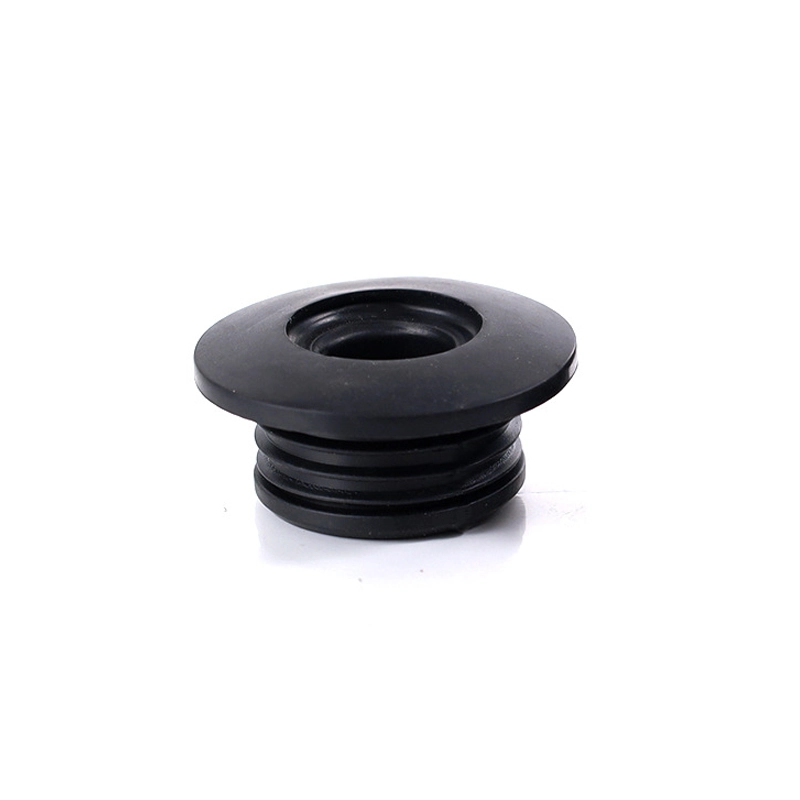 Urinal Sensor Inlet Seal Gasket Factory Replacement
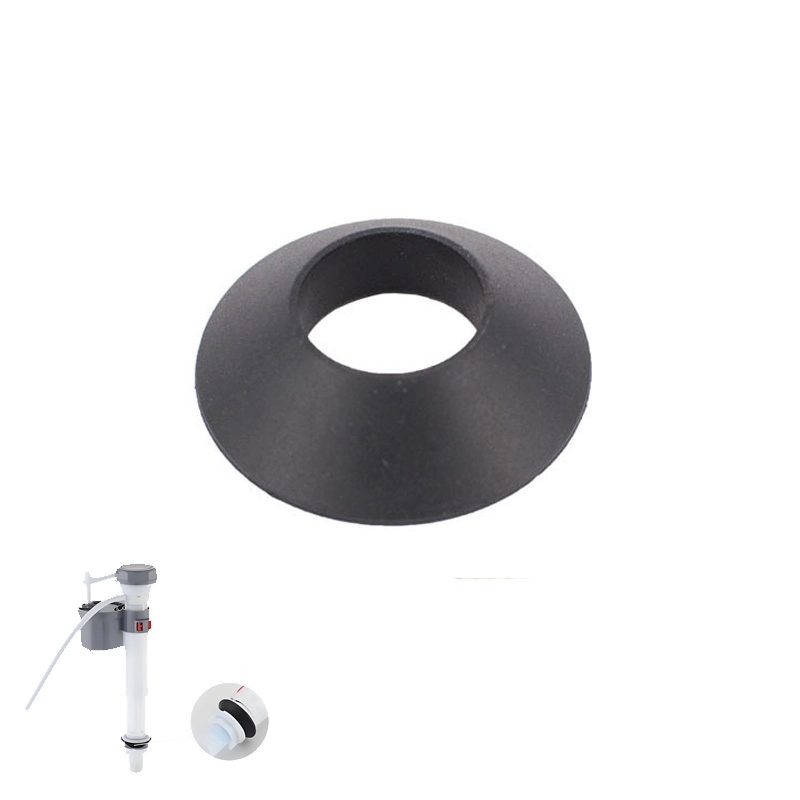 Toilet Tank Fill Valve Conical Seal Factory Replacement
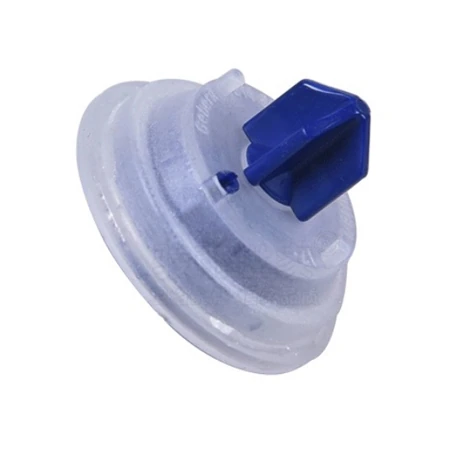 Wholesale Toilet Cistern Inlet Valve Diaphragm Washers
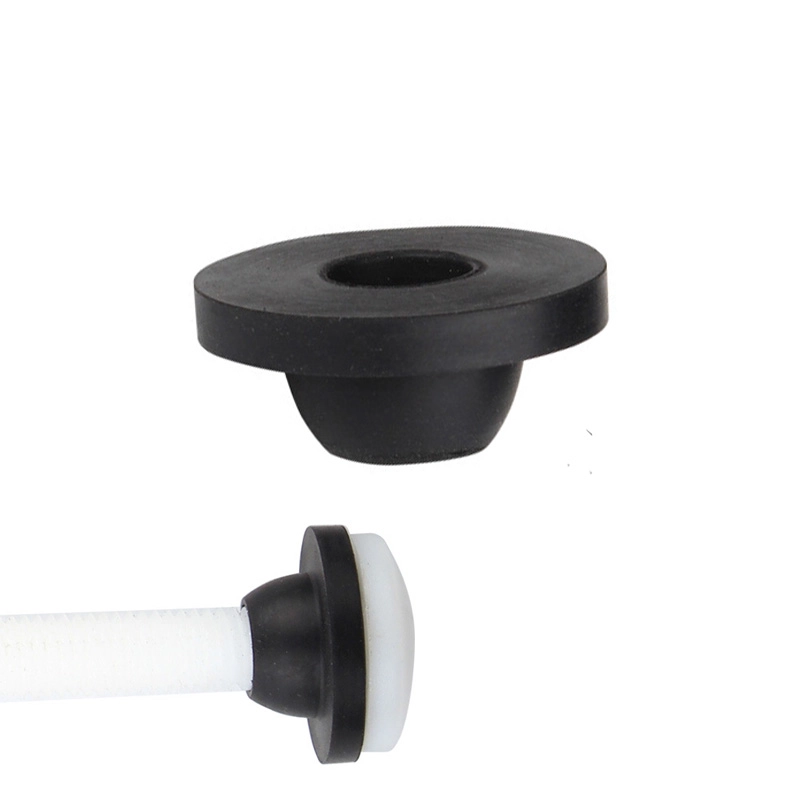 Conical Rubber Washers for Toilet Bolts Factory Wholesale