

Toilet Flange and Seal Repair Kits: Complete Buying & Installation Guide (2026)
A leaking toilet is one of the most common plumbing problems in homes, apartments, and commercial buildings. In many cases, the issue isn't the toilet itself — it's a worn toilet flange or a failed seal underneath the base.
The good news? A toilet flange and seal repair kit is an affordable, DIY‑friendly solution that can fix leaks quickly without replacing the entire toilet.
This guide covers:
What a toilet flange repair kit is
Signs you need one
Types of repair kits
How to choose the right option
Step‑by‑step installation guide
Common mistakes to avoid
Maintenance tips for long‑term performance
Whether you're a homeowner, contractor, or facility manager, this guide will help you make the right decision.
What Is a Toilet Flange and Seal Repair Kit?
A toilet flange and seal repair kit is a packaged solution designed to fix leaks between the toilet base and the drain pipe. These kits restore a watertight and stable connection between the toilet and the floor.
Most repair kits typically include:
Replacement wax ring or wax‑free seal
Flange repair ring or spacer
Mounting bolts and hardware
Installation instructions
Some premium kits may also include:
Reinforced stainless steel rings
Adjustable height spacers
Reusable rubber or silicone seals
These components work together to stop leaks, prevent toilet movement, and eliminate odors.
Signs You Need a Toilet Flange or Seal Repair
Catching the problem early can prevent water damage and costly repairs. Here are the most common warning signs:
Common Symptoms
Water pooling around the toilet base
Sewer or musty odors in the bathroom
Toilet rocking or feeling unstable
Water stains on ceiling below (multi‑story homes)
Mold or mildew near toilet base
Loose toilet mounting bolts
Slow or weak flushing performance
If you notice one or more of these symptoms, it's a good idea to inspect the toilet flange and seal immediately.
Types of Toilet Flange and Seal Repair Kits
Not all repair kits are the same. Choosing the right type depends on your toilet condition and installation environment.
1. Wax Ring Repair Kits
Best For: Standard toilet installations
Pros
Affordable and widely available
Proven long‑term sealing performance
Compatible with most toilet models
Cons
Single‑use only
Can deform during installation
Messier to install
Wax rings remain one of the most common and reliable sealing options, especially for traditional installations.
2. Wax‑Free Seal Kits
Best For: DIY users and repositioning
Pros
Cleaner installation
Reusable during positioning
Less temperature sensitive
Easy for beginners
Cons
Slightly higher cost
May not work well with severely uneven flanges
Wax‑free seals are becoming increasingly popular in modern bathroom installations.
3. Flange Repair Ring Kits
Best For: Cracked, broken, or corroded flanges
Pros
Reinforces damaged flange
Extends flange lifespan
Prevents toilet movement
Cons
More installation effort
Not suitable for severely damaged drain pipes
These kits are ideal when the flange is damaged but still structurally usable.
4. Flange Spacer Kits
Best For: Low or recessed flanges after flooring upgrades
Pros
Raises flange height
Improves seal compression
Easy to install
Cons
Only solves height issues
Must align carefully
Spacer kits are commonly used after tile, vinyl, or laminate flooring installation.
How to Choose the Right Toilet Repair Kit
Selecting the correct repair kit depends on your specific situation.
1. Check Flange Condition
Flange intact → Standard seal kit
Cracked or broken → Repair ring kit
Too low → Spacer kit
2. Check Toilet Stability
Stable toilet → Standard repair kit
Rocking toilet → Reinforced flange kit recommended
3. Consider Installation Experience
Beginner → Wax‑free seal recommended
Experienced DIY → Traditional wax ring
4. Consider Usage Environment
Commercial bathrooms → Reinforced repair kits
Residential use → Standard repair kits sufficient
Choosing the right repair kit improves long‑term reliability and prevents repeat leaks.
Step‑by‑Step Toilet Flange Repair Installation Guide
Most toilet flange repairs can be completed in 60–120 minutes.
Step 1: Turn Off Water Supply
Shut off water valve
Flush toilet to empty tank
Sponge out remaining water if necessary
Step 2: Remove the Toilet
Disconnect water supply line
Remove mounting bolts
Lift toilet straight up
Place on protective surface
Tip: Toilets can be heavy — consider getting help.
Step 3: Inspect the Flange
Check for:
Cracks
Rust or corrosion
Loose mounting slots
Low flange height
Remove old wax completely before installing new components.
Step 4: Install Repair Components
Depending on your kit:
Install repair ring or spacer
Position new mounting bolts
Install wax ring or wax‑free seal
Ensure components are centered properly.
Step 5: Reinstall the Toilet
Lower toilet straight down carefully.
Important:
Avoid twisting the toilet, which may break the seal.
Step 6: Tighten and Test
Tighten bolts evenly
Reconnect water supply
Flush several times
Check for leaks
If no leaks appear, installation is complete.
Common Toilet Flange Repair Mistakes to Avoid
Many leaks happen due to simple installation mistakes.
Avoid these common errors:
❌ Not removing old wax completely
❌ Over‑tightening bolts
❌ Using incorrect flange height
❌ Reusing old wax rings
❌ Installing on uneven floor
Taking extra care during installation prevents repeat repairs.
When to Replace Instead of Repair
Repair kits work in most situations, but replacement may be necessary if:
Flange severely corroded
Drain pipe damaged
Subfloor rot or structural damage
Persistent leaks after repair
In these cases, professional plumbing repair is recommended.
Maintenance Tips for Long‑Term Performance
To extend seal life:
Check for toilet movement periodically
Avoid harsh chemical cleaners
Keep mounting bolts snug
Fix small leaks early
Inspect after bathroom renovations
Proper maintenance can extend seal life for many years.
Why Quality Toilet Flange Repair Kits Matter
High‑quality repair kits offer:
Better leak protection
Longer service life
Easier installation
Reduced maintenance
For wholesalers, contractors, and OEM buyers, choosing durable materials and accurate sizing improves customer satisfaction and reduces returns.
Final Thoughts
Toilet flange and seal repair kits provide a fast, affordable solution to one of the most common bathroom plumbing problems. With the right kit and proper installation, most leaks can be resolved quickly without professional help.
Whether you're repairing a single toilet or sourcing for large‑scale projects, selecting high‑quality repair kits ensures reliable performance and long‑term results.
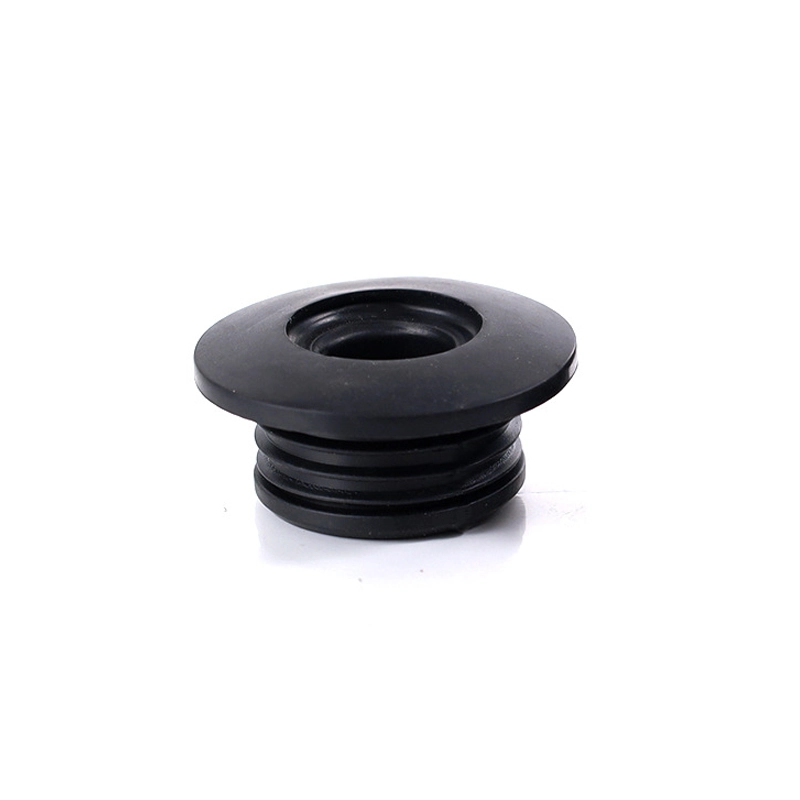 Urinal Sensor Inlet Seal Gasket Factory Replacement
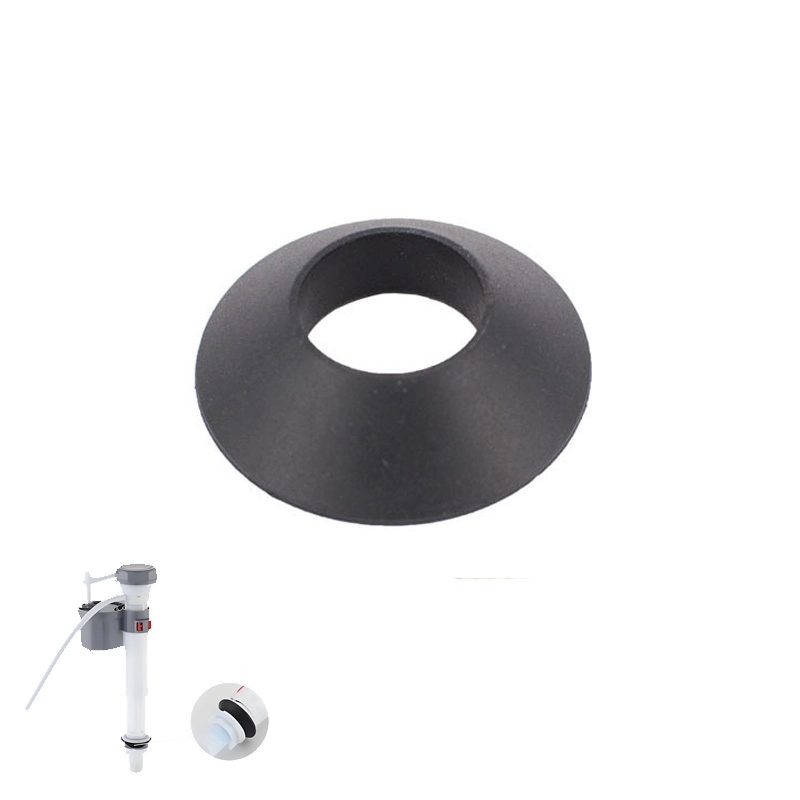 Toilet Tank Fill Valve Conical Seal Factory Replacement
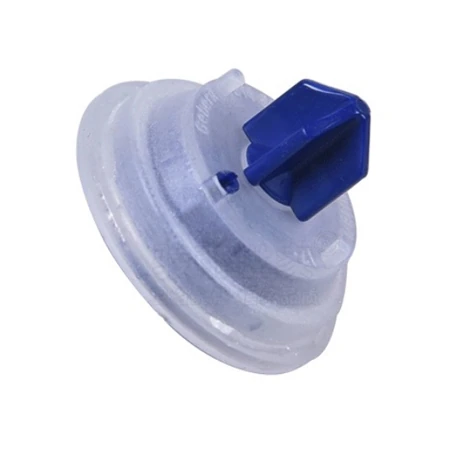 Wholesale Toilet Cistern Inlet Valve Diaphragm Washers
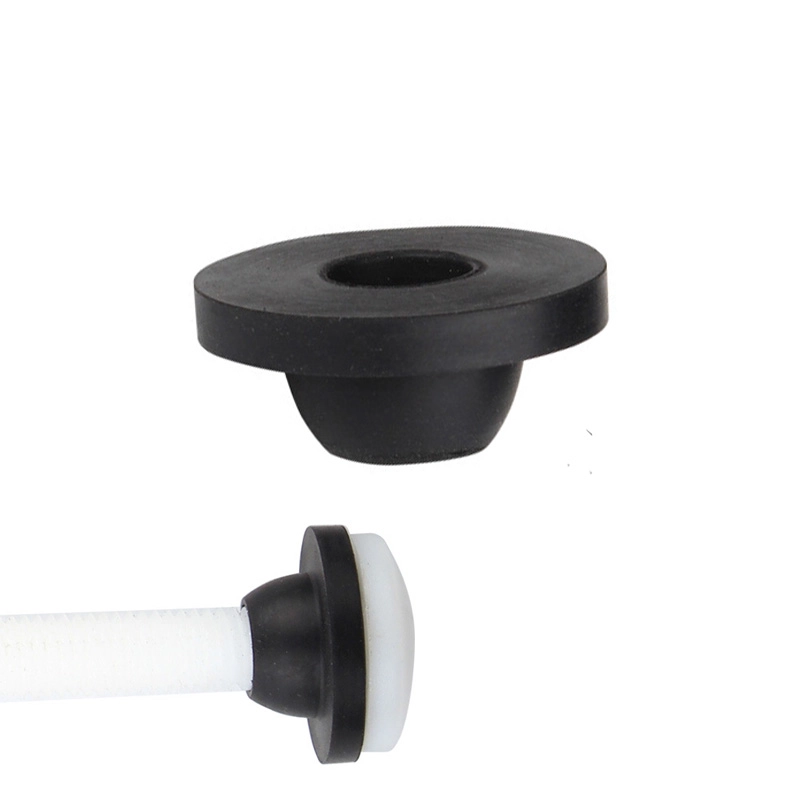 Conical Rubber Washers for Toilet Bolts Factory Wholesale