

Signs Your Toilet Seal Needs Replacement
A toilet seal may be a small component, but it plays a critical role in maintaining your toilet’s flushing efficiency, preventing leaks, and conserving water. Over time, wear and tear can cause the seal to fail, leading to performance issues and increased utility bills.
Understanding the signs your toilet seal needs replacement helps homeowners, maintenance professionals, and plumbing suppliers take timely action. This guide explains the key warning signals, causes of seal failure, and practical solutions to maintain optimal toilet performance.
Why the Toilet Seal Is Important
The toilet seal (often called a flush valve seal or gasket) creates a watertight barrier between the tank and the bowl. Its main functions include:
Preventing continuous water leakage
Maintaining proper flushing pressure
Supporting water efficiency
Protecting internal tank components
When the seal becomes damaged or worn, these functions are compromised.
Common Signs Your Toilet Seal Needs Replacement
1. Continuous Running Water
One of the most noticeable symptoms of a failing toilet seal is constant running water. If water continues flowing into the bowl long after flushing, the seal may no longer close tightly.
Why this happens:
Seal deformation or hardening
Mineral buildup affecting seal contact
Aging rubber or silicone material
Impact:
Increased water bills
Unnecessary environmental waste
Faster wear of fill valve components
2. Weak or Incomplete Flush
A worn toilet seal may prevent the tank from releasing enough water during flushing.
Typical symptoms include:
Reduced flushing power
Waste not fully clearing
Need for repeated flushing
This usually indicates the seal is not lifting or sealing properly during operation.
3. Water Leaking Into the Toilet Bowl
If you notice water slowly entering the bowl even when the toilet is not in use, the seal may be deteriorating.
Possible causes:
Cracks or warping in the seal
Improper fit after previous repairs
Debris trapped between seal and valve seat
A simple dye test can help confirm this issue.
4. Unusual Noises From the Tank
Strange sounds such as:
Hissing
Intermittent refilling
Random tank cycling
often signal that the seal is allowing water to escape gradually, triggering the fill valve to activate repeatedly.
5. Visible Wear or Damage
Routine inspection may reveal clear physical signs such as:
Hardening or brittleness
Surface cracks
Swelling or deformation
Loss of elasticity
These are strong indicators that the toilet seal has reached the end of its service life.
6. Frequent Need for Tank Adjustments
If you find yourself repeatedly adjusting the chain, float, or flush components, the root cause may actually be a deteriorated seal rather than a mechanical alignment issue.
Replacing the seal can restore proper system balance and reduce maintenance time.
What Causes Toilet Seal Failure
Several environmental and usage factors influence seal lifespan:
Water quality: High mineral content accelerates deterioration
Usage frequency: Commercial or high-traffic bathrooms wear seals faster
Material quality: Low-grade rubber seals degrade more quickly
Chemical cleaners: Harsh agents can damage seal integrity
Choosing high-quality silicone or durable rubber seals can significantly extend service life.
When to Replace Your Toilet Seal
Experts generally recommend inspecting the seal:
Every 2–3 years in residential settings
Annually in commercial environments
Immediately when leak symptoms appear
Early replacement prevents costly water waste and potential damage to surrounding fixtures.
Preventive Maintenance Tips
To extend toilet seal longevity:
Avoid placing chemical tablets inside the tank
Clean mineral deposits regularly
Ensure proper installation and sizing
Use compatible replacement parts
Preventive care helps maintain flushing efficiency and reduces emergency repairs.
Conclusion
Recognizing the signs your toilet seal needs replacement is essential for maintaining a reliable and water-efficient toilet system. Symptoms such as running water, weak flushing, tank noises, and visible seal damage should never be ignored.
Timely inspection and replacement not only improve performance but also help lower water costs and support sustainable household maintenance practices.
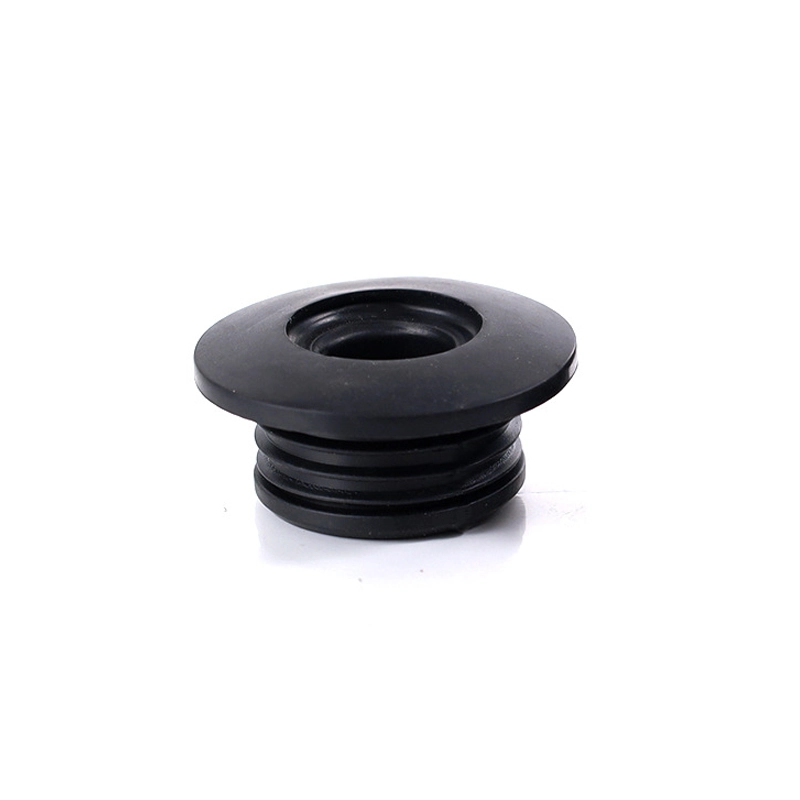 Urinal Sensor Inlet Seal Gasket Factory Replacement
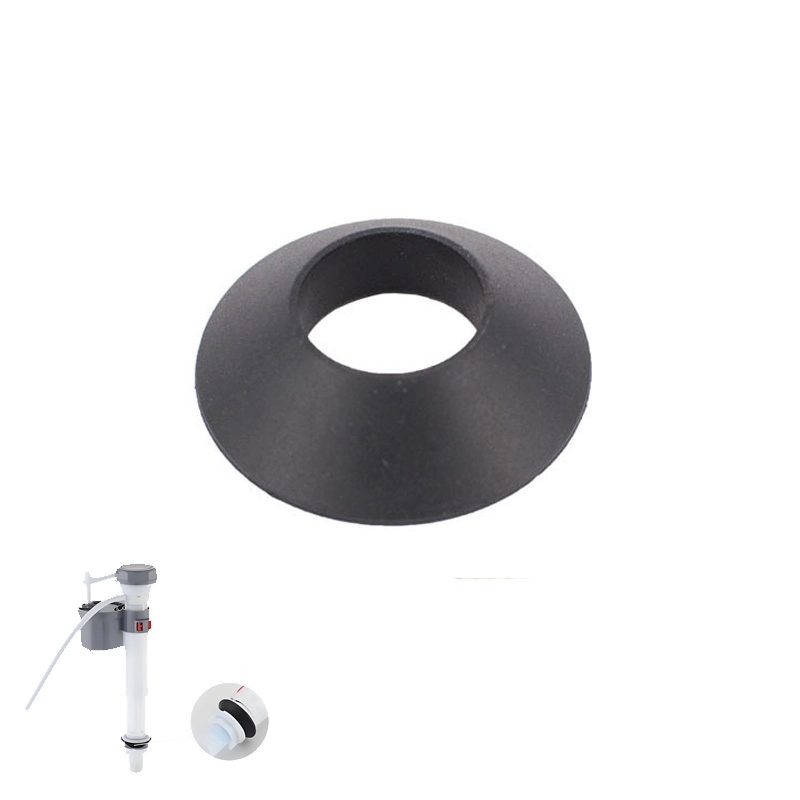 Toilet Tank Fill Valve Conical Seal Factory Replacement
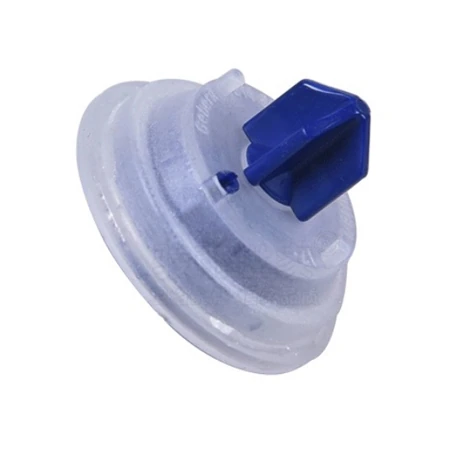 Wholesale Toilet Cistern Inlet Valve Diaphragm Washers
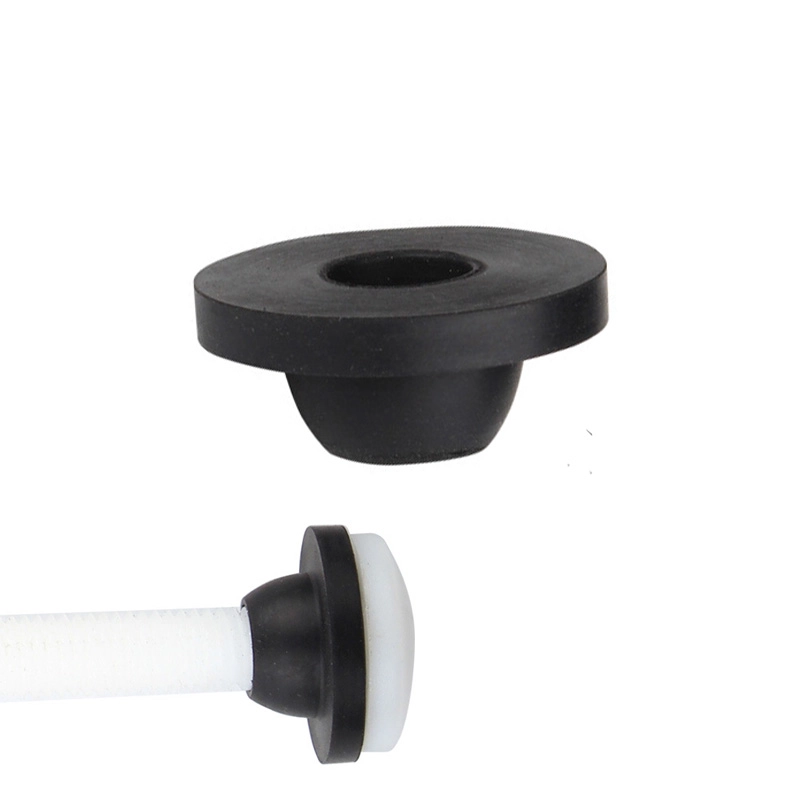 Conical Rubber Washers for Toilet Bolts Factory Wholesale