

Urinal Flush Valve Gasket Replacement Guide
A properly functioning urinal flush valve is critical for commercial bathrooms, RVs, and public facilities. Over time, the gasket in your flush valve may wear out, causing leaks, poor flushing, or water waste. Replacing the urinal flush valve gasket is a straightforward task if done correctly. This guide provides clear, step-by-step instructions and tips for selecting the right gasket to ensure long-lasting performance.
Why Replace a Urinal Flush Valve Gasket?
A worn or damaged gasket can result in:
Continuous leaking or running water
Weak flushing performance
Water damage or increased utility costs
Frequent maintenance calls
For manufacturers and commercial maintenance teams, choosing a high-quality gasket from a reliable supplier like ZXLSEAL ensures optimal performance and reduces operational downtime.
Tools & Materials Needed
Before starting the replacement process, gather the following:
Adjustable wrench or spanner
Screwdrivers (flathead and Phillips)
Replacement urinal flush valve gasket (compatible with your model)
Teflon tape or plumber’s grease (if recommended by the manufacturer)
Clean cloth or paper towels
Step-by-Step Replacement Guide
Step 1: Turn Off Water Supply
Locate the water shut-off valve behind or beneath the urinal. Turn it clockwise to stop water flow. Flush the urinal to empty the remaining water from the tank or valve system.
Step 2: Remove the Flush Valve
Unscrew the flush valve cap or cover using a wrench.
Carefully remove the internal components, keeping track of washers, nuts, and other parts.
Step 3: Remove the Old Gasket
Locate the existing gasket, usually positioned between the flush valve body and the urinal inlet.
Gently pry out the old gasket, ensuring you don’t scratch or damage surrounding surfaces.
Step 4: Clean the Area
Use a clean cloth to remove mineral deposits, grime, or old sealant.
Ensuring a clean surface helps the new gasket form a proper seal.
Step 5: Install the New Gasket
Apply a thin layer of plumber’s grease if recommended.
Position the new gasket carefully, ensuring it sits evenly and fully covers the sealing area.
Step 6: Reassemble the Flush Valve
Reinsert all internal components in reverse order of removal.
Tighten screws and nuts securely but avoid overtightening to prevent damage.
Step 7: Turn On Water Supply & Test
Slowly turn the water back on and check for leaks.
Flush the urinal several times to ensure proper operation and water flow.
Tips for Choosing the Right Urinal Flush Valve Gasket
Material Matters: Rubber and silicone gaskets are the most common. Silicone typically offers better durability and chemical resistance.
Compatibility: Ensure the gasket matches your flush valve model and manufacturer specifications.
OEM vs. Aftermarket: For B2B applications, sourcing OEM-quality gaskets from a trusted supplier like ZXLSEAL reduces maintenance issues.
Regular Inspection: Periodically check gaskets in high-traffic facilities to prevent unexpected failures.
ZXLSEAL Urinal Flush Valve Gaskets
Toilet and Urinal Maintenance Tips
How to Choose Durable Toilet Seals for Commercial Use
Conclusion
Replacing a urinal flush valve gasket is an essential maintenance task that prevents leaks, water waste, and costly repairs. By following this guide and using high-quality gaskets from ZXLSEAL, manufacturers, facility managers, and service professionals can ensure reliable performance and long-term durability.
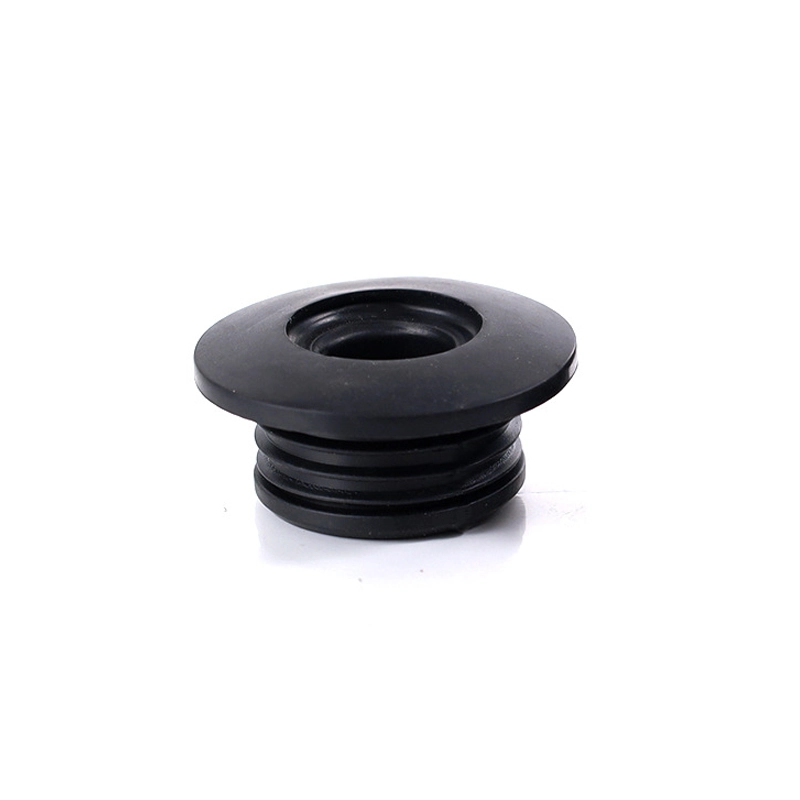 Urinal Sensor Inlet Seal Gasket Factory Replacement
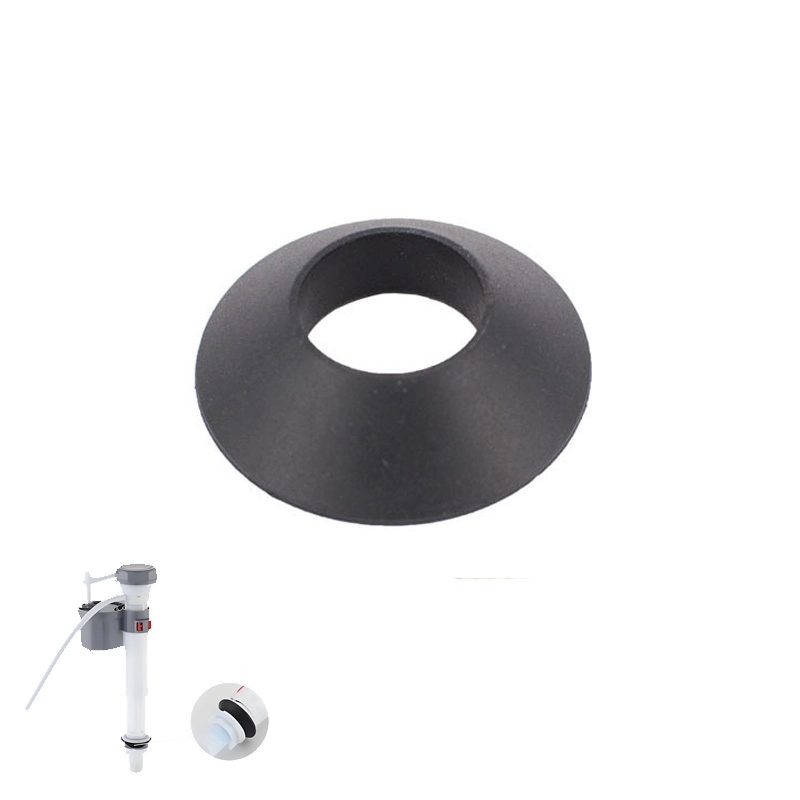 Toilet Tank Fill Valve Conical Seal Factory Replacement
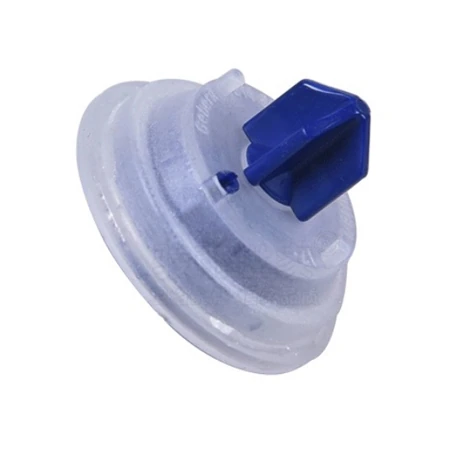 Wholesale Toilet Cistern Inlet Valve Diaphragm Washers
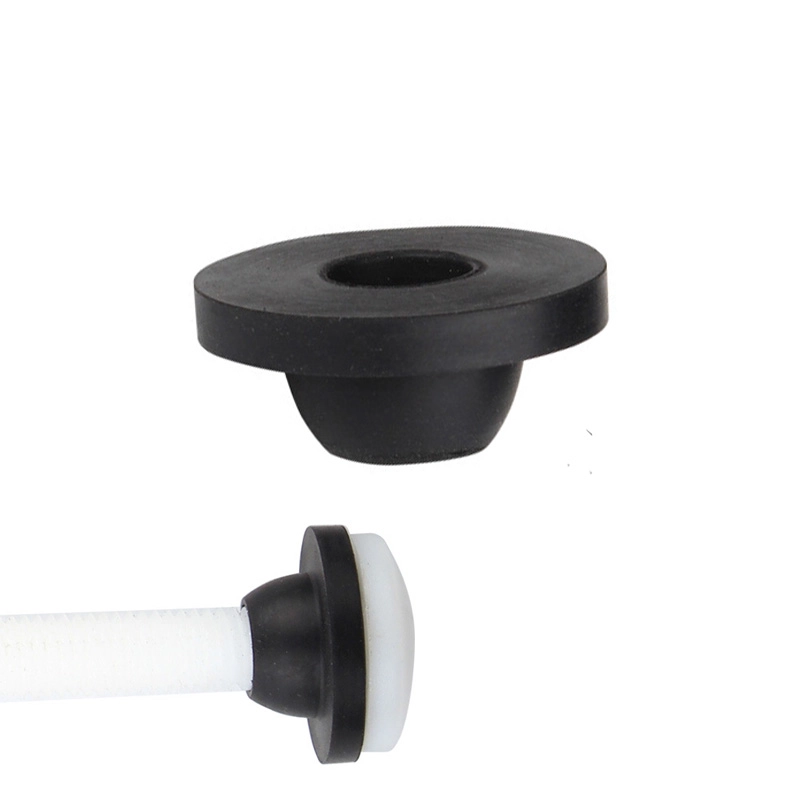 Conical Rubber Washers for Toilet Bolts Factory Wholesale