

How to Replace Rubber Seal Inside Toilet Tank Flush Valve
A worn or damaged rubber seal in your toilet tank flush valve can cause constant leaks, weak flushing, and wasted water. The good news: replacing the seal is a simple DIY task that most homeowners can complete in under 30 minutes. This step-by-step guide will help you replace the rubber seal inside your toilet tank flush valve safely and effectively.
Why the Flush Valve Rubber Seal Fails
The rubber seal (also called a flush valve seal or flapper seal) sits at the bottom of the tank and controls water flow into the bowl. Over time, it can deteriorate due to:
Hard water mineral buildup
Aging and rubber hardening
Chemical cleaners in the tank
Frequent flushing cycles
Common signs you need replacement:
Toilet runs intermittently
Water leaks from tank to bowl
Weak or incomplete flush
Higher water bills
Tools and Materials Needed
Before starting, gather these items:
Replacement flush valve rubber seal (correct size)
Adjustable wrench (optional)
Sponge or towel
Bucket (optional)
Rubber gloves
Pro tip: Always match the new seal to your toilet model for best performance.
Step-by-Step: Replace Toilet Flush Valve Rubber Seal
Step 1: Turn Off the Water Supply
Locate the shut-off valve behind the toilet and turn it clockwise until fully closed. Flush the toilet to drain most of the water from the tank.
👉 Use a sponge or towel to remove any remaining water at the bottom.
Step 2: Remove the Toilet Tank Lid
Carefully lift the tank lid and place it somewhere safe to avoid cracking or chipping.
Step 3: Disconnect the Old Rubber Seal
Depending on your toilet design:
Flapper style: Unhook the flapper ears from the overflow tube
Canister/tower style: Twist and lift the seal off the flush valve
Inspect the old seal — you will often see warping, cracks, or slime buildup.
Step 4: Clean the Flush Valve Seat
Before installing the new seal, wipe the flush valve seat thoroughly.
Why this matters:
Ensures a watertight seal
Prevents premature leaks
Extends seal lifespan
Use a soft cloth to remove mineral deposits or debris.
Step 5: Install the New Rubber Seal
Attach the new seal according to the design:
For flapper seals:
Hook both ears onto the overflow tube
Connect the chain to the flush lever
Leave slight slack in the chain
For canister seals:
Stretch the seal evenly into the groove
Ensure it sits flat without twisting
Step 6: Turn Water Back On and Test
Slowly reopen the shut-off valve and let the tank fill.
Perform 2–3 test flushes and check for:
Continuous running
Water leaks
Proper flush strength
If the toilet still runs, adjust the chain length slightly.
Common Mistakes to Avoid
❌ Installing the wrong seal size
❌ Chain too tight or too loose
❌ Not cleaning the valve seat
❌ Using harsh chemical cleaners in tank
❌ Overtightening plastic components
Avoiding these mistakes will significantly extend the life of your toilet flush valve seal.
When to Replace the Entire Flush Valve
Sometimes the rubber seal isn’t the only problem. Consider replacing the full flush valve assembly if:
The plastic valve body is cracked
The valve seat is heavily corroded
Leaks persist after seal replacement
Your toilet is over 10–15 years old
Maintenance Tips to Extend Seal Life
Avoid drop-in bleach tablets
Clean tank annually
Use high-quality rubber or silicone seals
Replace seal every 2–4 years in hard water areas
Final Thoughts
Replacing the rubber seal inside your toilet tank flush valve is one of the easiest and most cost-effective plumbing fixes. With the right replacement seal and proper installation, you can stop leaks, improve flushing performance, and save water immediately.
If you manage toilet manufacturing, repair distribution, or OEM sourcing, choosing high-quality flush valve seals ensures long-term reliability and customer satisfaction.
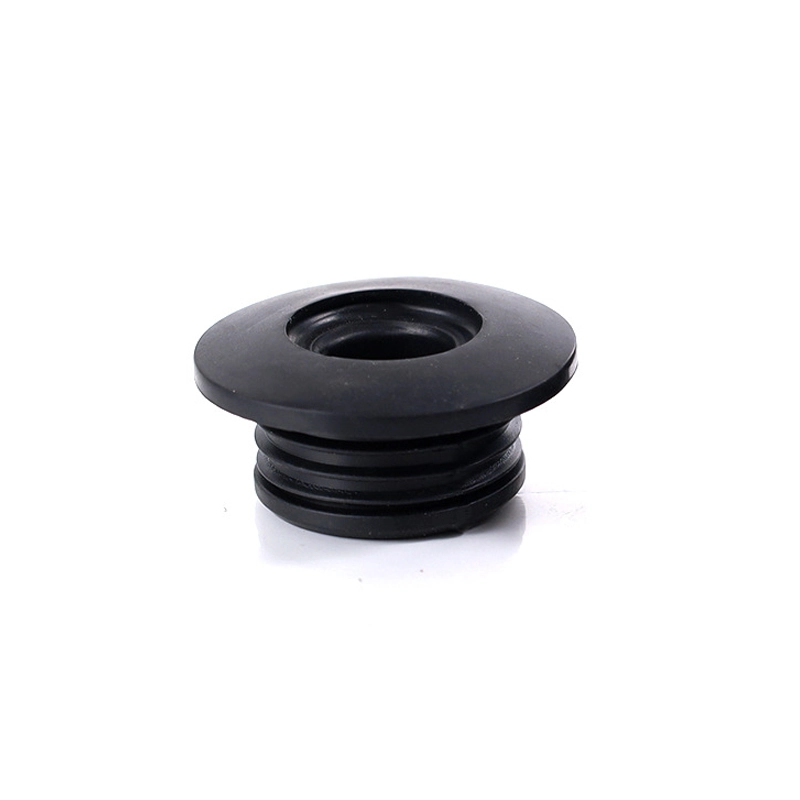 Urinal Sensor Inlet Seal Gasket Factory Replacement
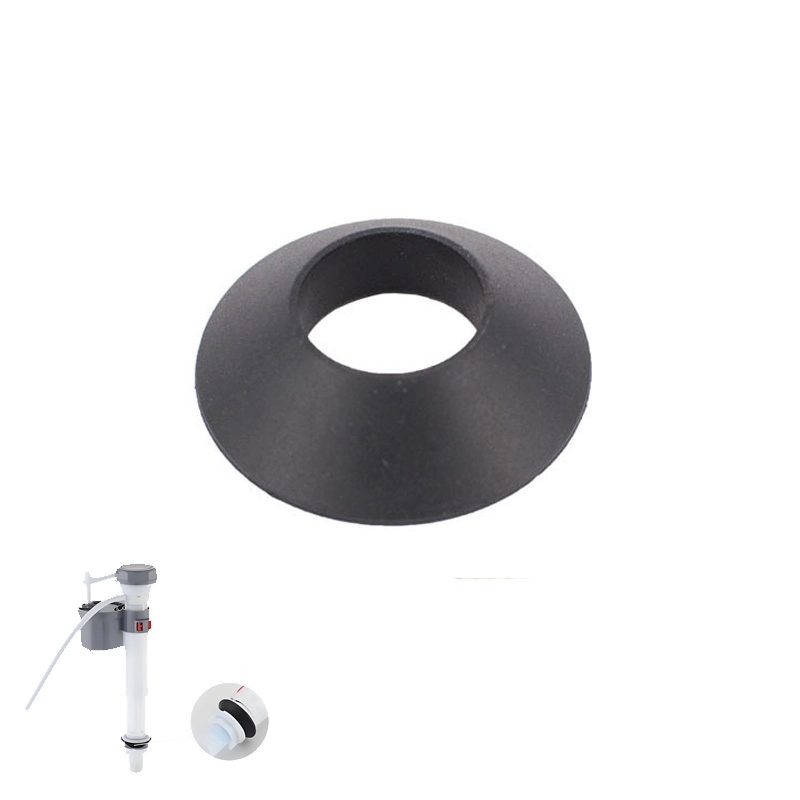 Toilet Tank Fill Valve Conical Seal Factory Replacement
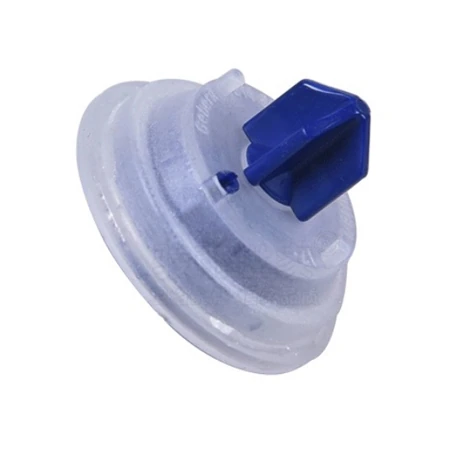 Wholesale Toilet Cistern Inlet Valve Diaphragm Washers
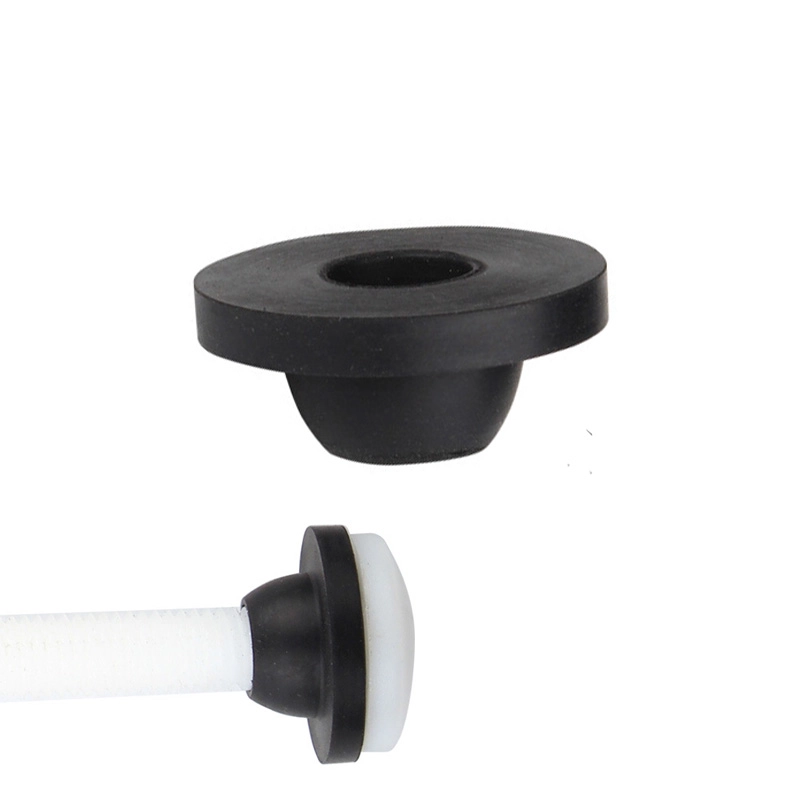 Conical Rubber Washers for Toilet Bolts Factory Wholesale