

Top Toilet Seals for DIY Plumbing: What You Need to Know
Choosing the right toilet seal is one of the most important steps in any DIY plumbing project. A reliable seal prevents leaks, blocks sewer odors, and keeps your bathroom hygienic. Whether you're replacing an old ring or installing a new toilet, understanding your options can save time, money, and frustration.
This guide explains the most popular toilet seals, how to choose the right one, and tips for a successful installation.
Why the Toilet Seal Matters
The toilet seal sits between the toilet base and the floor flange. Its main job is to create a watertight and airtight connection. When the seal fails, you may notice:
Water leaking around the toilet base
Unpleasant sewer smells
A loose or rocking toilet
Hidden floor damage over time
For DIY plumbers, selecting the correct seal type is just as important as proper installation.
Top Types of Toilet Seals
1. Wax Ring Toilet Seal
The traditional wax ring remains one of the most widely used options.
Pros:
Affordable and easy to find
Excellent initial sealing performance
Works with most standard toilets
Cons:
Single-use only
Can deform in hot conditions
Messy during installation or removal
Best for: Standard toilet replacements where flange height is correct.
2. Reinforced Wax Ring (With Horn)
This version includes a plastic horn or funnel that directs waste into the drain.
Pros:
Improved alignment
Better protection against minor misplacement
Budget-friendly upgrade from basic wax rings
Cons:
Still single-use
Horn can interfere with some flange setups
Best for: DIY users who want extra installation guidance.
3. Wax-Free Toilet Seal
Wax-free seals (often rubber or foam) are increasingly popular among DIY homeowners.
Pros:
Repositionable during installation
Cleaner handling
More temperature resistant
Longer service life in many cases
Cons:
Slightly higher cost
Not all models fit every toilet
Best for: Beginners and repeat installations.
4. Foam Toilet Gasket
Foam gaskets provide a compressible alternative to wax.
Pros:
Lightweight and clean
Easy to center
Good for uneven floors
Cons:
May compress over time
Quality varies by manufacturer
Best for: Quick DIY repairs and light-use bathrooms.
5. Extra-Thick or Stackable Seals
When the flange sits below floor level, thicker seals help maintain proper compression.
Pros:
Solves low flange problems
Prevents rocking toilets
Available in wax and wax-free versions
Cons:
Incorrect stacking can cause leaks
Requires careful measurement
Best for: Remodels or bathrooms with new flooring.
How to Choose the Right Toilet Seal
Before buying, check these key factors:
Flange height
Flush with floor → standard seal
Below floor → extra-thick seal
Above floor → standard or thin seal
Toilet stability
If your toilet rocks slightly, consider a wax-free or foam option that tolerates movement better.
Installation experience
Beginners → wax-free seal
Experienced DIYers → wax ring is fine
Environment
Hot climates or heated floors often benefit from wax-free materials.
DIY Installation Tips
To get the best performance from your toilet seal:
Always remove old wax completely
Clean and dry the flange area
Test-fit the toilet before final placement
Press straight down—avoid twisting excessively
Tighten bolts evenly to prevent rocking
Check for leaks after installation
Taking a few extra minutes during installation can prevent costly repairs later.
Common Mistakes to Avoid
Many DIY failures come from small but critical errors:
Using the wrong seal thickness
Reusing an old wax ring
Installing on a damaged flange
Overtightening toilet bolts
Ignoring slight toilet movement
Avoiding these mistakes dramatically improves long-term sealing performance.
Final Thoughts
The best toilet seal for your DIY plumbing project depends on your flange height, installation experience, and long-term expectations. Traditional wax rings remain reliable and affordable, while wax-free seals offer cleaner handling and easier installation for beginners.
If you want the simplest DIY experience, choose a high-quality wax-free or reinforced seal. For budget-conscious standard installs, a properly fitted wax ring still performs exceptionally well.
Selecting the right seal—and installing it carefully—ensures your toilet stays leak-free for years to come.
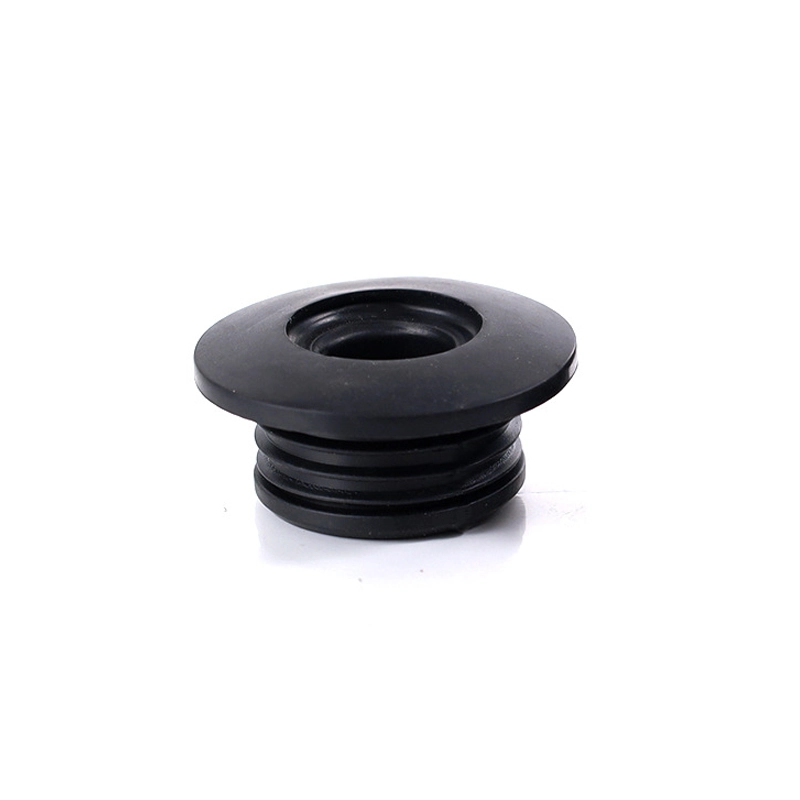 Urinal Sensor Inlet Seal Gasket Factory Replacement
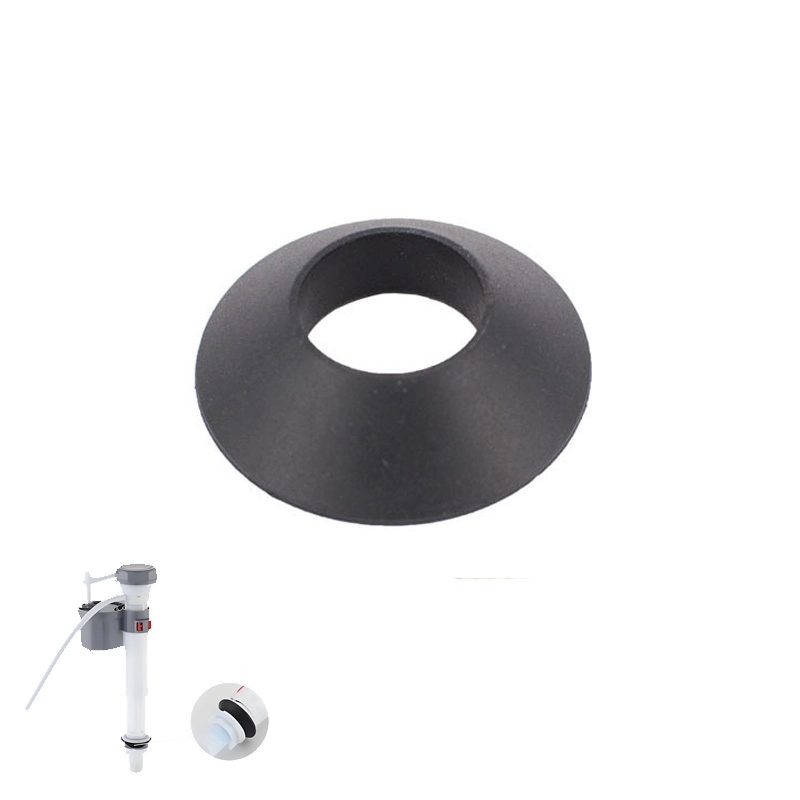 Toilet Tank Fill Valve Conical Seal Factory Replacement
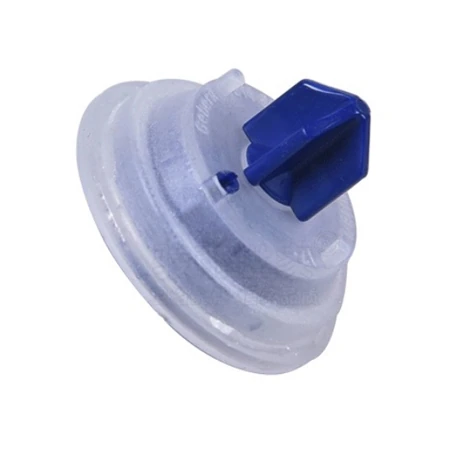 Wholesale Toilet Cistern Inlet Valve Diaphragm Washers
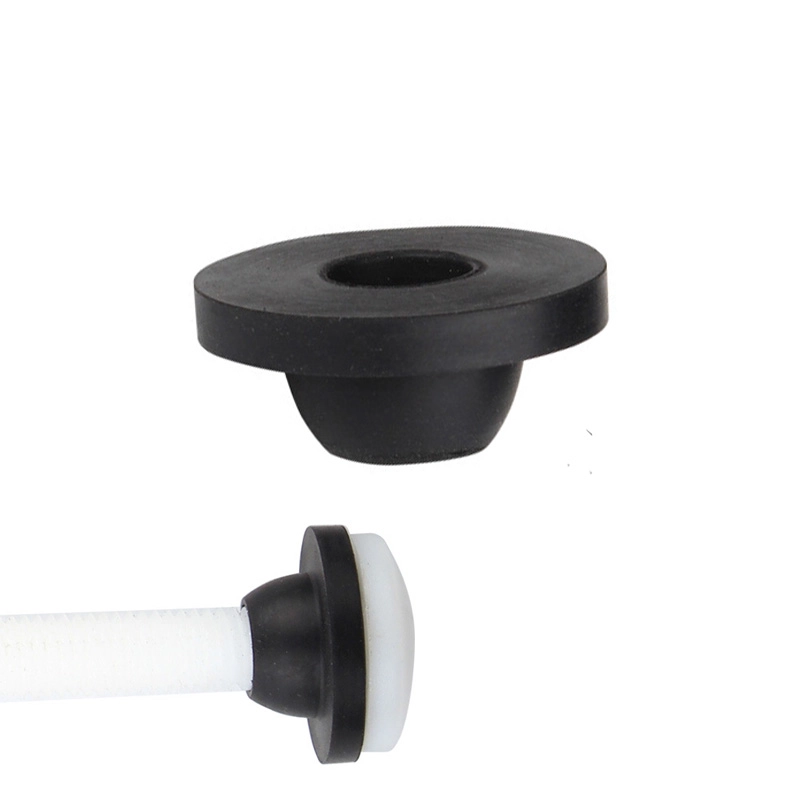 Conical Rubber Washers for Toilet Bolts Factory Wholesale