

How to Install a Toilet Seal (Step-by-Step Guide for Beginners)
Installing a toilet seal might sound like a job for a plumber, but in reality, it’s a simple DIY task most homeowners can handle in under an hour. Whether you're fixing a leak or installing a new toilet, replacing the seal properly is essential to prevent water damage, odors, and costly repairs.
In this step-by-step guide, you’ll learn exactly how to install a toilet seal the right way—without common mistakes.
Why Installing a Toilet Seal Correctly Matters
A toilet seal (also called a wax ring or rubber gasket) creates a watertight connection between your toilet base and the drainpipe (flange). If it’s installed incorrectly, you may experience:
Water leaking around the base
Unpleasant sewer odors
A loose or wobbly toilet
Long-term floor damage
Taking a few extra minutes to install it properly can save you hundreds in repairs later.
Tools & Materials You’ll Need
Before getting started, gather everything in advance:
New toilet seal (wax ring or rubber seal)
Adjustable wrench
Flathead screwdriver
Putty knife
Old towels or rags
Bucket (optional)
Disposable gloves (recommended)
Step-by-Step Instructions to Install a Toilet Seal
Step 1: Turn Off the Water Supply
Locate the shut-off valve behind or near the base of your toilet and turn it clockwise to stop the water flow. Flush the toilet to empty the tank, then use a towel or sponge to remove any remaining water.
💡 Tip: Removing as much water as possible prevents spills when lifting the toilet.
Step 2: Disconnect the Water Supply Line
Use an adjustable wrench to loosen the nut connecting the water supply line to the tank. Carefully detach it and set it aside.
Step 3: Remove the Toilet Bolts
Pop off the decorative caps at the base of the toilet using a flathead screwdriver. Unscrew the nuts holding the toilet to the floor.
Gently rock the toilet back and forth to break the seal, then lift it straight up and place it on a towel or old cloth.
⚠️ Toilets are heavier than they look—lift carefully or ask for help.
Step 4: Remove the Old Toilet Seal
Use a putty knife to scrape away the old wax or rubber seal from the flange and toilet base. Make sure the surface is completely clean and smooth.
💡 Any leftover residue can prevent a proper seal and cause leaks.
Step 5: Install the New Toilet Seal
Place the new seal onto the flange:
Wax ring: Center it carefully over the flange
Rubber seal: Follow manufacturer instructions (some attach to the toilet instead)
Make sure it sits evenly to ensure a tight seal.
Step 6: Reinstall the Toilet
Carefully lift the toilet and align the holes with the floor bolts. Lower it straight down onto the seal.
Press down gently to compress the seal and create a secure fit.
Step 7: Tighten the Bolts
Reinstall the washers and nuts, tightening them evenly on both sides.
⚠️ Do not overtighten—this can crack the porcelain.
If the toilet rocks, use toilet shims to stabilize it.
Step 8: Reconnect the Water Line
Attach the water supply line back to the tank and tighten it securely. Turn the water valve back on and allow the tank to fill.
Step 9: Test for Leaks
Flush the toilet several times and check around the base for any water.
No leaks = successful installation
Leaks present = seal may need repositioning
Step 10: Final Cleanup
Wipe down the area, reinstall bolt caps, and dispose of the old seal properly.
Common Mistakes to Avoid
Avoid these frequent DIY errors:
❌ Reusing an old wax ring
❌ Not cleaning the flange properly
❌ Misaligning the toilet during installation
❌ Overtightening bolts
❌ Skipping leak testing
Wax Ring vs Rubber Seal: Which Is Better?
Wax Rings
Affordable and widely used
Strong, reliable seal
Single-use only
Rubber Seals
Reusable and cleaner to handle
Easier for beginners
Slightly more expensive
👉 For most homeowners, rubber seals are more user-friendly, while wax rings remain the traditional choice.
Expert Tip
Professional plumbers recommend always replacing the toilet seal whenever you remove the toilet—even if the old one looks fine. Wax seals, in particular, cannot be reused once compressed.
Conclusion
Installing a toilet seal is a simple but important home maintenance task. With the right tools and careful installation, you can prevent leaks, eliminate odors, and extend the life of your toilet.
If you follow the steps above and avoid common mistakes, you’ll have a secure, leak-free toilet in no time—no plumber required.
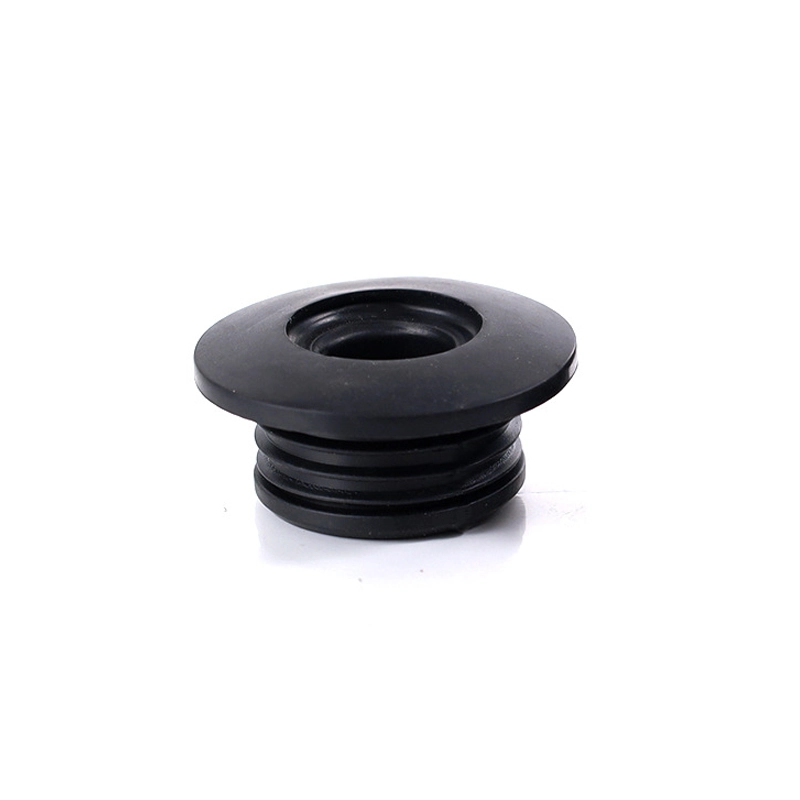 Urinal Sensor Inlet Seal Gasket Factory Replacement
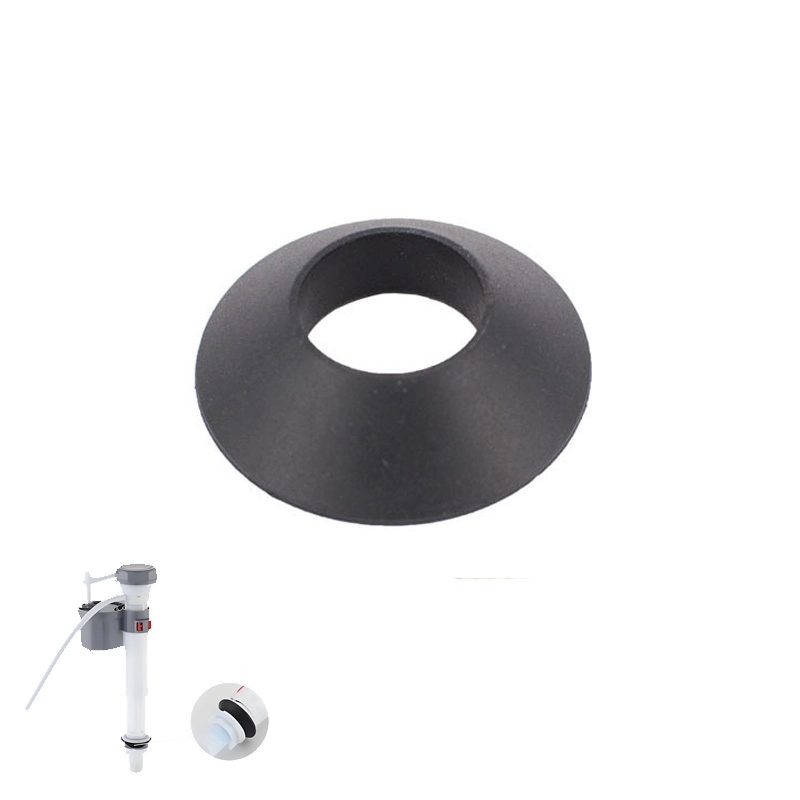 Toilet Tank Fill Valve Conical Seal Factory Replacement
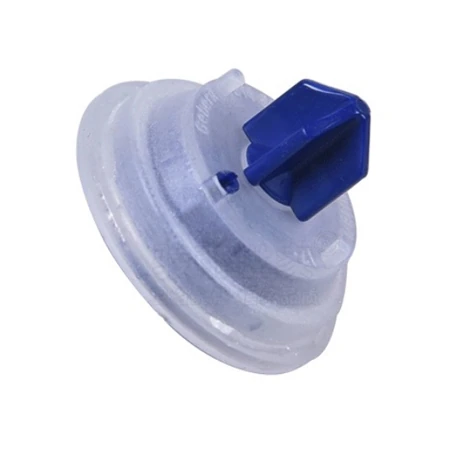 Wholesale Toilet Cistern Inlet Valve Diaphragm Washers
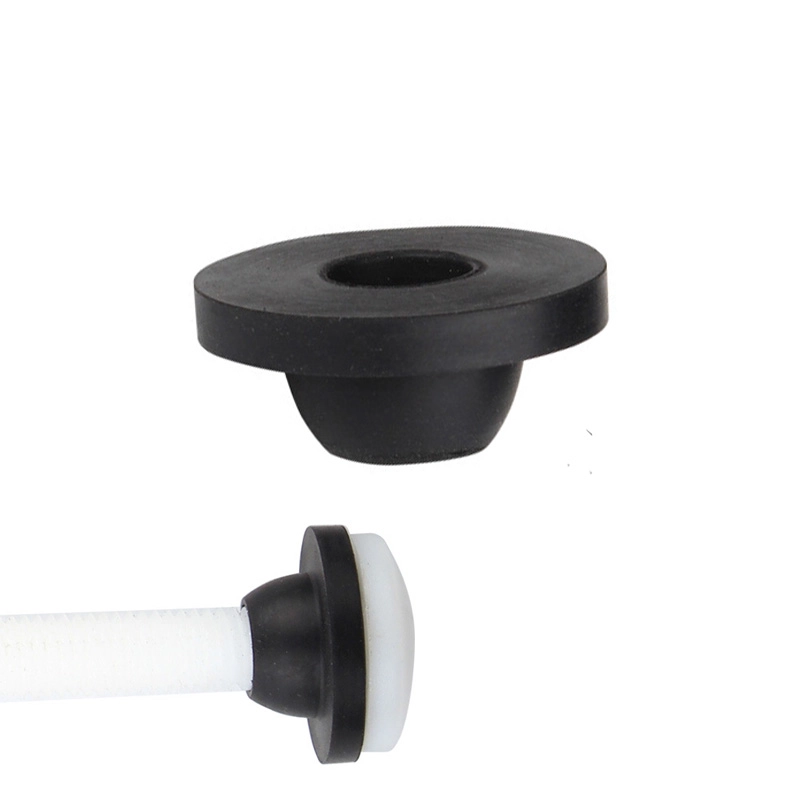 Conical Rubber Washers for Toilet Bolts Factory Wholesale