

Best Toilet Seal for Leak Prevention: A Complete Guide
When it comes to maintaining a functional and efficient toilet system, one often overlooked yet critical component is the toilet seal. Toilet seals are essential in preventing leaks that can cause water damage, odors, and unnecessary repair costs. In this guide, we’ll walk you through everything you need to know about the best toilet seals for leak prevention, ensuring your toilet remains leak-free for years.
What is a Toilet Seal?
A toilet seal is a crucial part of the plumbing system, located between the toilet base and the drain pipe. Its primary function is to prevent water from leaking between the toilet and the floor, as well as to create a strong, airtight seal. The most common type of toilet seal is the wax ring, but there are several other materials and designs to choose from based on your needs.
Types of Toilet Seals
Wax Seals
Wax rings are the traditional choice for sealing toilets. They’re made from a thick layer of wax and create a durable, water-resistant seal between the toilet and the flange.
Pros: Affordable, widely available, and easy to install.
Cons: They can dry out or degrade over time, causing leaks.
Rubber Seals
Rubber toilet seals, such as those made from silicone or other synthetic materials, offer an alternative to wax. They provide a long-lasting seal and are resistant to wear and tear.
Pros: Durable, won’t degrade over time like wax, and can be reused if needed.
Cons: Slightly more expensive than wax rings.
Spongy Seals
Spongy toilet seals are typically made from foam or sponge-like materials. These seals expand when compressed and provide a snug fit around the flange.
Pros: Flexible and effective at filling gaps.
Cons: May not provide as tight a seal as rubber or wax rings, potentially leading to leaks.
Compression Seals
These seals use a tight-fitting rubber gasket to create a compression fit between the toilet and the flange. These seals are typically used in modern toilets with a flange designed to hold them securely.
Pros: Easy to install, provides a secure fit.
Cons: May be more expensive than traditional wax rings.
Signs You Need a New Toilet Seal
Over time, toilet seals can degrade, causing leaks and other issues. Here are some signs that indicate it's time for a replacement:
Water around the toilet base: This is a clear indication of a leaking seal.
Bad odors: A compromised seal can cause unpleasant smells to seep from the drain.
Rocking toilet: If your toilet wobbles, the seal may not be creating a proper bond.
Constantly running water: A leaking seal can also affect the toilet’s flush performance.
How to Install a Toilet Seal
Replacing a toilet seal is a relatively straightforward process, but it does require some basic plumbing knowledge. Here’s a quick overview of the installation steps:
Shut off the water supply and drain the toilet tank.
Remove the toilet by unscrewing the bolts and lifting it off the flange.
Remove the old seal and clean the area thoroughly.
Install the new seal on the flange or the base of the toilet (depending on the type of seal you’re using).
Reattach the toilet, secure it with bolts, and reconnect the water supply.
Test for leaks by flushing the toilet and checking around the base for any water seepage.
Choosing the Best Toilet Seal for Leak Prevention
When selecting the best toilet seal for leak prevention, consider the following factors:
Toilet Type: Different toilets may require different seal types. Ensure the seal is compatible with your toilet and flange.
Durability: Rubber and silicone seals tend to last longer than wax rings, making them ideal for long-term use.
Ease of Installation: If you're installing the seal yourself, choose a product that's easy to install and doesn't require specialized tools.
Cost: While wax rings are the most affordable option, silicone and rubber seals may offer better value in the long run due to their durability.
Conclusion
Choosing the right toilet seal is crucial for leak prevention and maintaining a hygienic and functional toilet. Whether you opt for a traditional wax ring or a modern rubber or silicone seal, ensure you select a high-quality product that matches your toilet’s needs. By keeping an eye out for signs of a deteriorating seal and replacing it promptly, you can avoid costly water damage and enjoy a leak-free toilet for years to come.
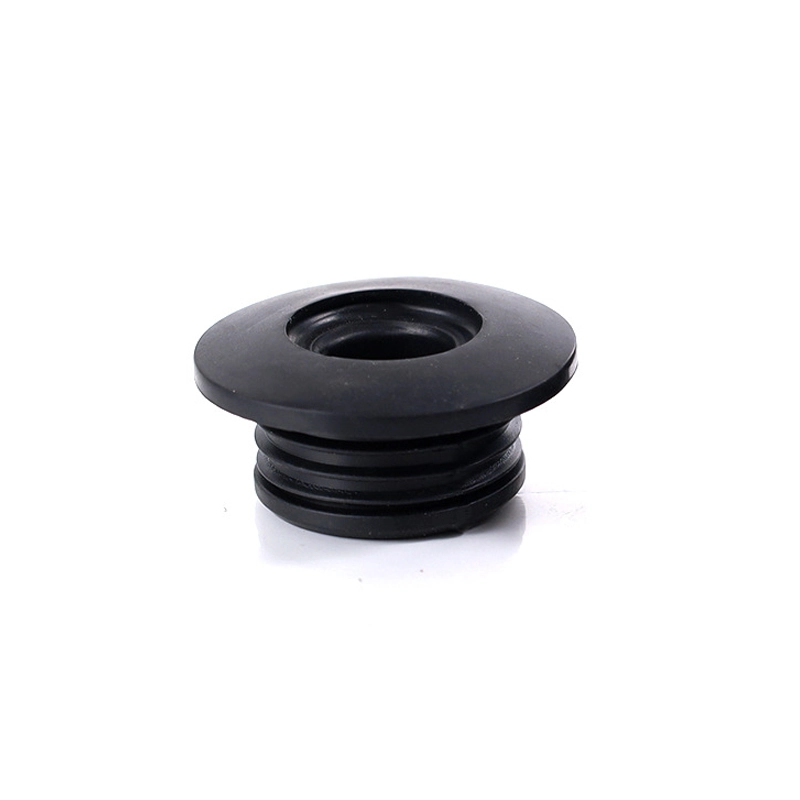 Urinal Sensor Inlet Seal Gasket Factory Replacement
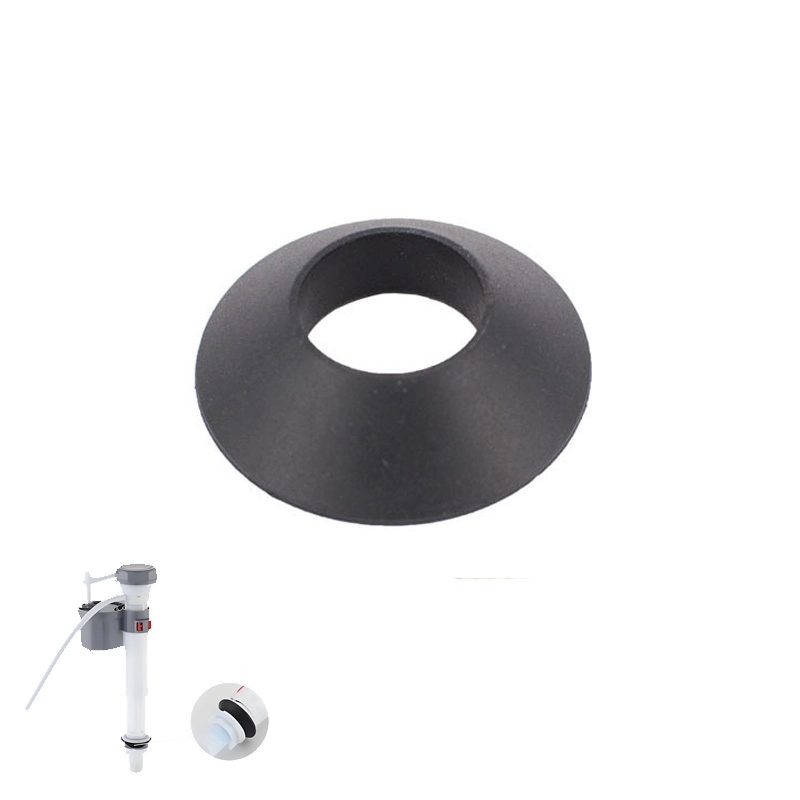 Toilet Tank Fill Valve Conical Seal Factory Replacement
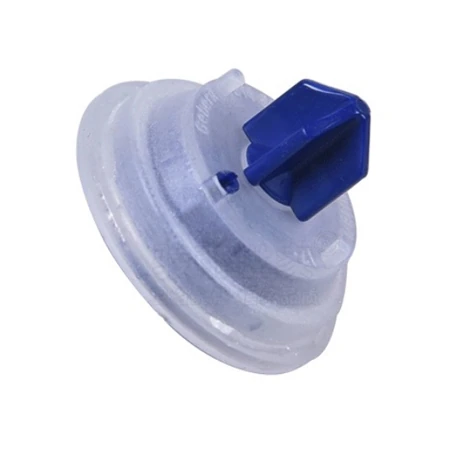 Wholesale Toilet Cistern Inlet Valve Diaphragm Washers
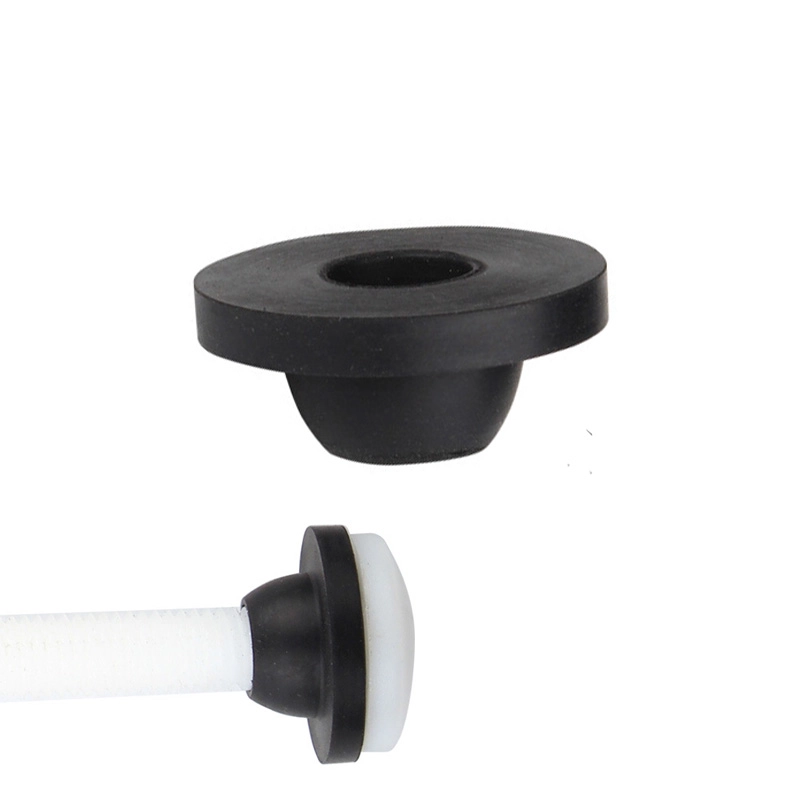 Conical Rubber Washers for Toilet Bolts Factory Wholesale