

How to Fix a Leaking Toilet Fill Valve (Step-by-Step Guide)
A leaking toilet fill valve is one of the most common toilet tank problems. It can waste hundreds of gallons of water every month and may eventually damage bathroom flooring or internal toilet components.
Based on professional plumbing repair practices and real maintenance experience, this guide explains how to diagnose, repair, and replace a leaking toilet fill valve step by step.
Whether the leak is caused by loose connections, worn seals, debris buildup, or valve failure, the following solutions can help you fix the issue quickly.
Step 1: Identify Where the Fill Valve Is Leaking
Before repairing anything, you must locate the exact source of the leak. Fill valve leaks usually occur in three areas:
Water supply connection (angle stop valve)
Hose connection to the fill valve
Fill valve body or overflow pipe
1. Turn Off the Water Supply
Locate the angle stop valve under the toilet tank and turn it clockwise until the water supply stops.
2. Empty the Tank
Flush the toilet to drain all water.
Use a towel to dry any remaining moisture around the valve and connections.
3. Check Each Possible Leak Point
A. Angle Stop Valve to Hose Connection
Turn the valve slightly (about 1/4 turn) to allow a small amount of water flow.
Look for water droplets around the connection between:
angle stop valve
water supply hose
Use a dry tissue to detect small leaks.
B. Hose to Fill Valve Connection
Check the connection between the inlet hose and the bottom of the fill valve.
Leaks here are commonly caused by:
worn rubber gasket
loose connection nut
C. Fill Valve Body or Overflow Pipe
Fully open the water supply and observe:
cracks in the plastic fill valve body
water constantly flowing into the overflow pipe
If water runs into the overflow pipe before the tank is full, the internal valve components may be faulty.
Step 2: Fix Common Toilet Fill Valve Leak Problems
Scenario 1: Leaks at Hose or Connection Points
About 60% of fill valve leaks occur at the connection points.
Tools Needed
Adjustable wrench
Teflon plumber’s tape
Replacement rubber gasket (16mm or 20mm common size)
Repair Steps
Turn off the water supply again.
Disconnect the water supply hose.
Remove the old rubber gasket.
Install a new gasket.
Wrap 3–5 turns of Teflon tape around the threaded connection.
Reconnect the hose.
Tighten the nut:
First by hand
Then an additional ¼–½ turn with a wrench
⚠️ Do not overtighten plastic nuts—they may crack.
Test the Repair
Turn the water back on and check if the leak stops.
Scenario 2: Fill Valve Body Leakage or Internal Failure
If the plastic valve body is cracked or the valve cannot stop filling water, internal components may be damaged.
Remove the Fill Valve
Turn off the water supply.
Empty the tank.
Disconnect the inlet hose.
Unscrew the locking nut under the tank.
Remove the fill valve from the tank.
Fix Internal Problems
1. Stuck Float Assembly
Debris or mineral buildup may prevent the float from moving.
Solution:
Remove debris or scale
Check if the float rod is bent
Straighten gently if necessary
2. Worn Water Stop Gasket
Inside the valve is a rubber shut-off gasket that controls water flow.
If it becomes worn:
open the valve cap
remove the old gasket
replace with a new nitrile or EPDM gasket
These materials last longer than standard rubber.
3. Cracked Valve Body
If the plastic body has visible cracks, replacement is the best solution.
Temporary repairs rarely last.
Scenario 3: Water Constantly Running into Overflow Pipe
Sometimes the fill valve is fine—the water level is simply set too high.
Check the Water Level
The correct water level should be:
1–2 cm below the top of the overflow pipe
Adjust the Water Level
Float-Type Fill Valve
Turn the adjustment screw near the float.
Clockwise → lower water level
Counterclockwise → raise water level
Floatless Fill Valve
Use the adjustment clip or lever on the valve body.
Pull up → lower water level
Push down → raise water level
Step 3: Replace the Toilet Fill Valve (If Necessary)
If repairs fail, installing a new fill valve is often easier and inexpensive.
1. Choose the Correct Replacement Valve
Check these specifications:
Installation hole size
Common sizes:
20 mm
25 mm
Water inlet type
Bottom inlet (most common)
Side inlet
Noise level
Choose quiet fill valves with flow control for a better bathroom experience.
2. Fill Valve Replacement Steps
Remove the old valve.
Clean mineral deposits around the tank hole.
Insert the new fill valve into the hole.
Install the sealing gasket.
Tighten the locking nut under the tank.
Reconnect the water supply hose.
Turn on the water supply.
Finally, adjust the water level to the correct height.
Prevent Future Fill Valve Leaks
Regular maintenance can extend the life of your toilet components.
Clean the Valve Every 3–6 Months
Turn off water and rinse:
valve body
filter screen
float assembly
This prevents sediment buildup.
Maintain Proper Water Level
Always keep the water level below the overflow pipe.
Too high → continuous running water
Too low → weak flushing
Use High-Quality Replacement Parts
Recommended materials:
EPDM rubber
Nitrile rubber
Avoid cheap plastic parts that crack easily.
When to Call a Plumber
Contact a professional plumber if:
the angle stop valve is stuck or rusted
the water supply pipe leaks
the tank mounting bolts are corroded
multiple internal components fail
Professional repair can prevent water damage and pipe failure.
Conclusion
A leaking toilet fill valve is usually easy to fix once you identify the cause. Most problems are related to:
loose connections
worn seals
float issues
incorrect water level
With the correct tools and a few simple steps, homeowners can repair or replace a toilet fill valve in less than 30 minutes.
Fixing the problem early helps save water, reduce utility bills, and protect your bathroom from damage.
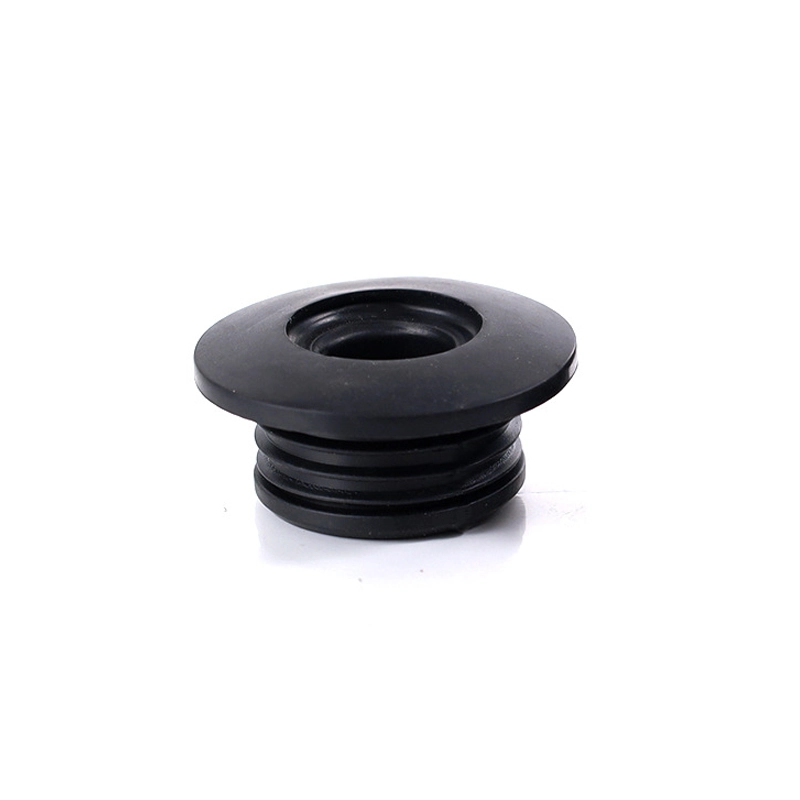 Urinal Sensor Inlet Seal Gasket Factory Replacement
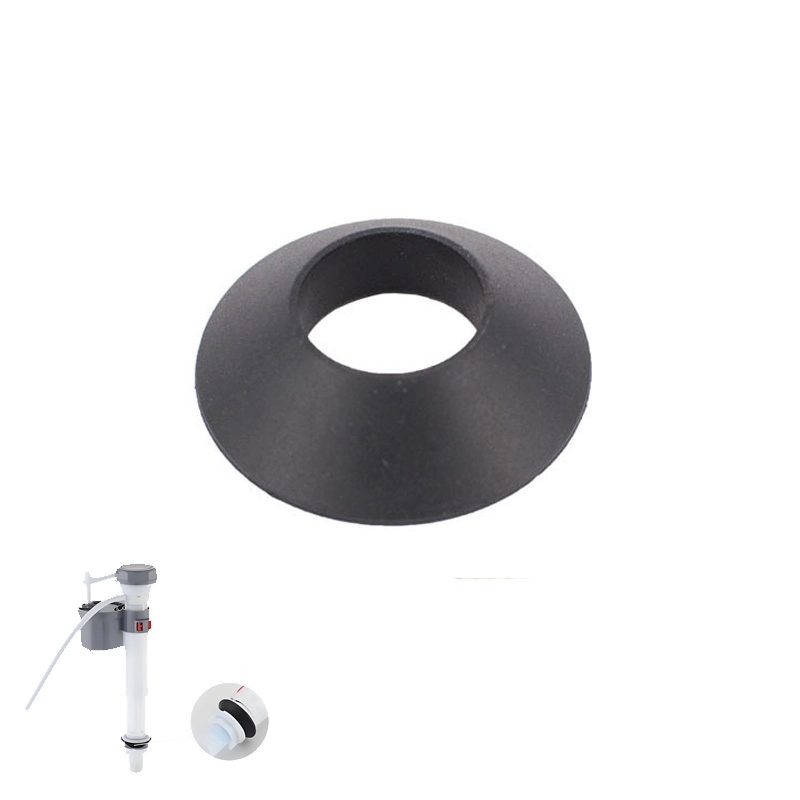 Toilet Tank Fill Valve Conical Seal Factory Replacement
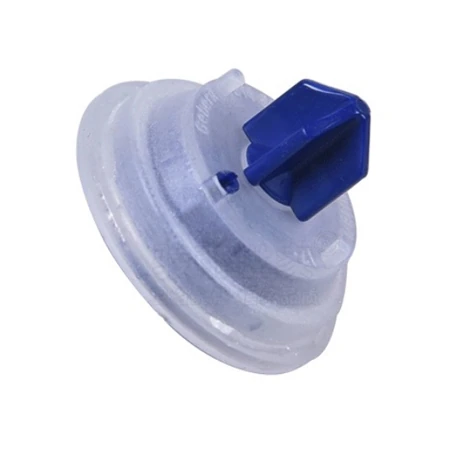 Wholesale Toilet Cistern Inlet Valve Diaphragm Washers
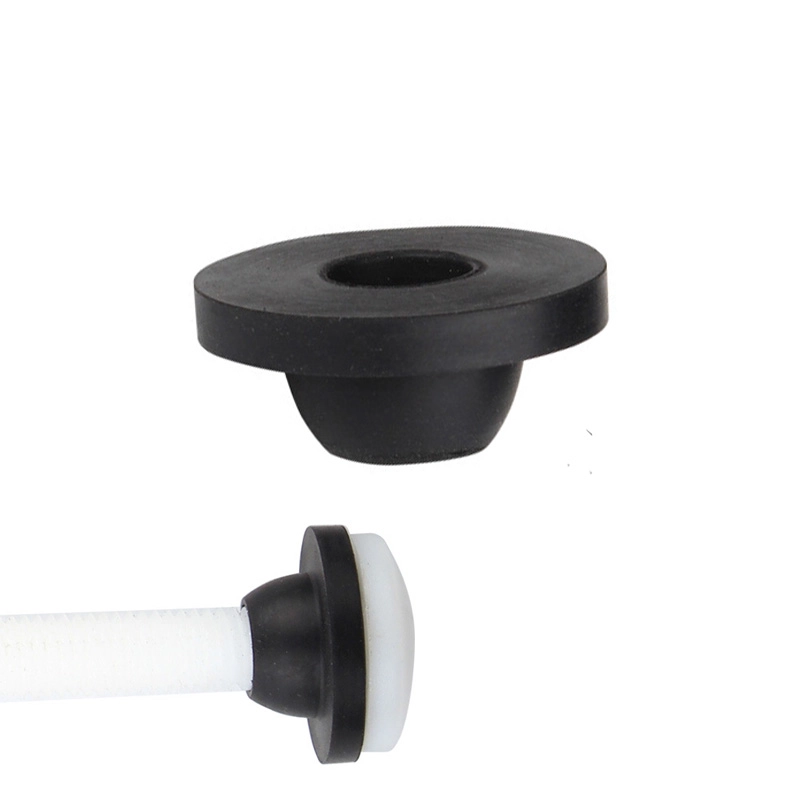 Conical Rubber Washers for Toilet Bolts Factory Wholesale