

How to Replace a Toilet Fill Valve Without a Plumber (DIY Guide)
Learn how to replace a toilet fill valve without a plumber. This step-by-step DIY guide shows tools, installation steps, and leak-prevention tips to complete a toilet fill valve replacement in 30 minutes.
Introduction
A faulty toilet fill valve is one of the most common causes of a running toilet, slow tank refill, or constant water noise. The good news is that replacing a toilet fill valve is a simple DIY repair that most homeowners can complete in about 20–30 minutes using basic tools.
Because most modern fill valves use standard threaded connections and universal sizes, you usually don’t need a professional plumber. With the right preparation and clear steps, anyone can perform a safe and leak-free toilet fill valve replacement.
This guide explains everything you need to know, including required tools, installation steps, and common mistakes to avoid.
Why You Can Replace a Toilet Fill Valve Yourself
Most toilet fill valves are designed for easy replacement.
Here are the reasons why DIY replacement is possible:
Universal design: Over 90% of fill valves are compatible with standard toilet tanks.
Simple installation: Most valves use threaded nuts and rubber gaskets, not soldering or cutting.
Minimal tools required: Only basic household tools are needed.
Fast repair: The entire process typically takes less than 30 minutes.
If your toilet tank constantly runs or refills slowly, a toilet fill valve replacement is often the fastest solution.
Tools and Materials You’ll Need
Before starting the repair, prepare the following tools and accessories.
| Category | Items | Purpose |
|---|---|---|
| Basic Tools | Adjustable wrench | Loosen and tighten water supply connections |
| Optional Tools | Phillips screwdriver | Needed for some older fill valve clips |
| Auxiliary Tools | Bucket and dry rags | Catch remaining water and keep the area dry |
| Sealing Material | Teflon (plumber’s) tape | Prevent leaks at threaded connections |
| Replacement Part | New toilet fill valve | Choose a universal model compatible with your tank |
Important Compatibility Check
Before buying a new valve, confirm:
Tank hole diameter: typically 20mm or 25mm
Water inlet type:
Bottom inlet (most common)
Side inlet
Choosing the correct model ensures a smooth installation and proper sealing.
Step-by-Step Guide: Replace a Toilet Fill Valve
Follow these six steps to complete the repair safely.
Step 1: Turn Off the Water Supply
Locate the angle stop valve on the wall behind or below the toilet.
Turn the valve clockwise to shut off the water supply.
Flush the toilet to drain the tank completely.
Use a sponge or rag to remove remaining water.
This prevents accidental leaks during the repair.
Step 2: Disconnect the Water Supply Hose
Next, remove the hose connected to the fill valve.
Use an adjustable wrench to loosen the connection nut.
Turn counterclockwise to disconnect the hose.
Drain any remaining water into a bucket.
Tip: Dry the connection area with a rag to improve grip.
Step 3: Remove the Old Fill Valve
The valve is secured underneath the tank.
Locate the plastic fixing nut at the bottom of the tank.
Use a wrench to loosen it counterclockwise.
Pull the old fill valve upward from inside the tank.
If the nut is stuck due to mineral buildup, apply a small amount of vinegar and wait a few minutes.
Step 4: Clean the Installation Area
Before installing the new valve, clean the tank opening.
Remove limescale and debris
Wipe the area with a dry cloth
Check the water supply hose for cracks or aging
A clean surface ensures proper gasket sealing.
Step 5: Install the New Toilet Fill Valve
Insert the new valve from inside the tank.
Ensure the rubber sealing gasket is positioned correctly.
Insert the valve through the tank hole.
Install the fixing nut underneath the tank.
Tighten the nut:
First hand-tighten
Then tighten an additional ¼ turn with a wrench
Avoid over-tightening, especially with plastic components.
Step 6: Reconnect the Water Supply
Reconnect the supply hose to the new valve.
Wrap 3–5 layers of Teflon tape around the threads.
Reattach the hose and tighten gently.
Slowly reopen the water valve.
Allow the tank to refill and check for leaks.
Check These Two Areas for Leaks
After installation, inspect:
1. Hose Connections
Use a dry tissue to wipe around the joints.
If the tissue remains dry, the seal is secure.
2. Fill Valve Operation
Ensure the valve automatically stops water flow when the tank is full.
The water level should be about 1–2 cm below the overflow tube.
If necessary, adjust the water level control clip or screw on the valve.
Common DIY Mistakes to Avoid
Beginners often encounter these problems:
Choosing the Wrong Fill Valve
Incorrect tank hole sizes prevent proper installation.
Always measure the hole diameter before purchasing.
Wrapping Teflon Tape the Wrong Way
Teflon tape should be wrapped clockwise so it tightens with the threads.
Counterclockwise wrapping can cause leaks.
Over-Tightening Plastic Nuts
Plastic components can crack if tightened too much.
Use the rule:
Hand-tight + ¼ wrench turn
What to Do If the Toilet Still Leaks
If leaks appear after installation, try these quick fixes.
Leak at Hose Connection
Shut off the water supply
Reapply Teflon tape
Replace the rubber seal
Leak from Fill Valve Body
This usually indicates a defective valve.
Turn off the water and request a replacement from the seller.
FAQ: Toilet Fill Valve Replacement
How long does it take to replace a toilet fill valve?
Most DIY installations take 20–30 minutes.
Are toilet fill valves universal?
Yes, most modern fill valves are universal and adjustable, but you should confirm tank hole size and inlet type.
When should I replace a toilet fill valve?
Replace the valve if you notice:
Constant running water
Slow tank refill
Loud hissing sounds
Water level problems
Final Thoughts
Replacing a toilet fill valve without a plumber is one of the easiest home plumbing repairs. With a few basic tools and a compatible replacement valve, most homeowners can complete the job quickly and safely.
Not only will you save plumber service fees, but you will also prevent long-term water waste caused by a malfunctioning valve.
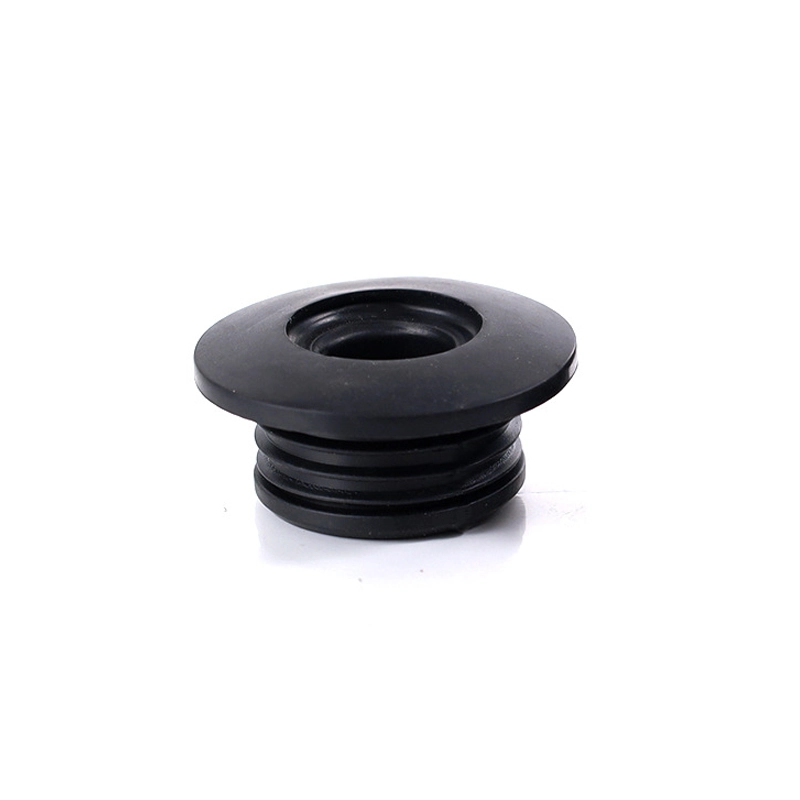 Urinal Sensor Inlet Seal Gasket Factory Replacement
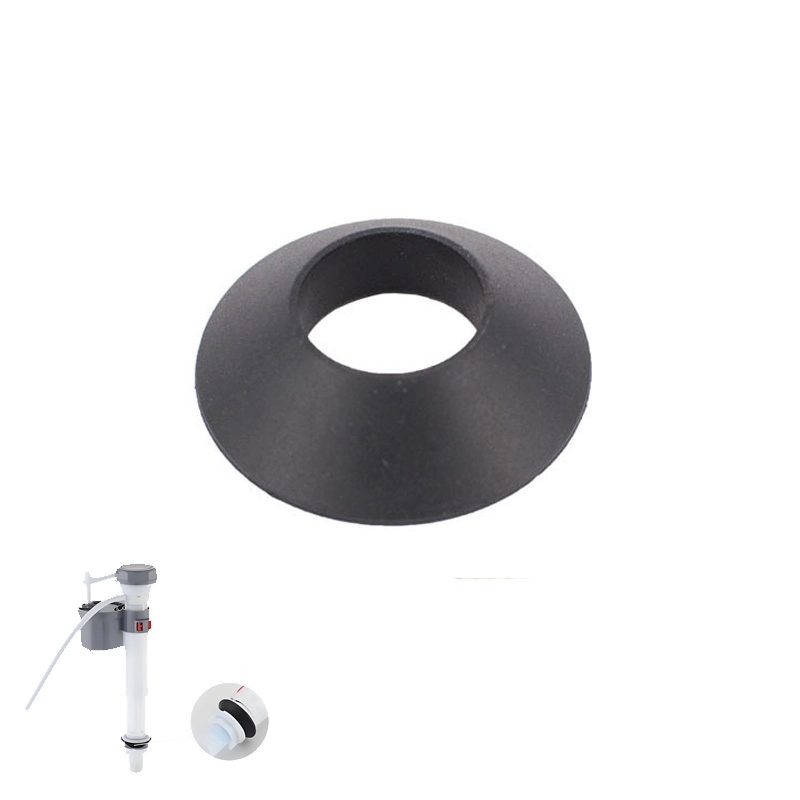 Toilet Tank Fill Valve Conical Seal Factory Replacement
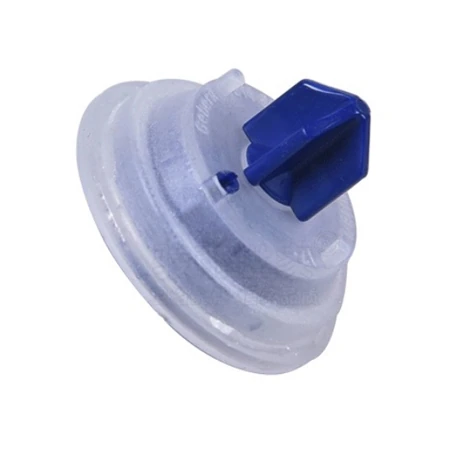 Wholesale Toilet Cistern Inlet Valve Diaphragm Washers
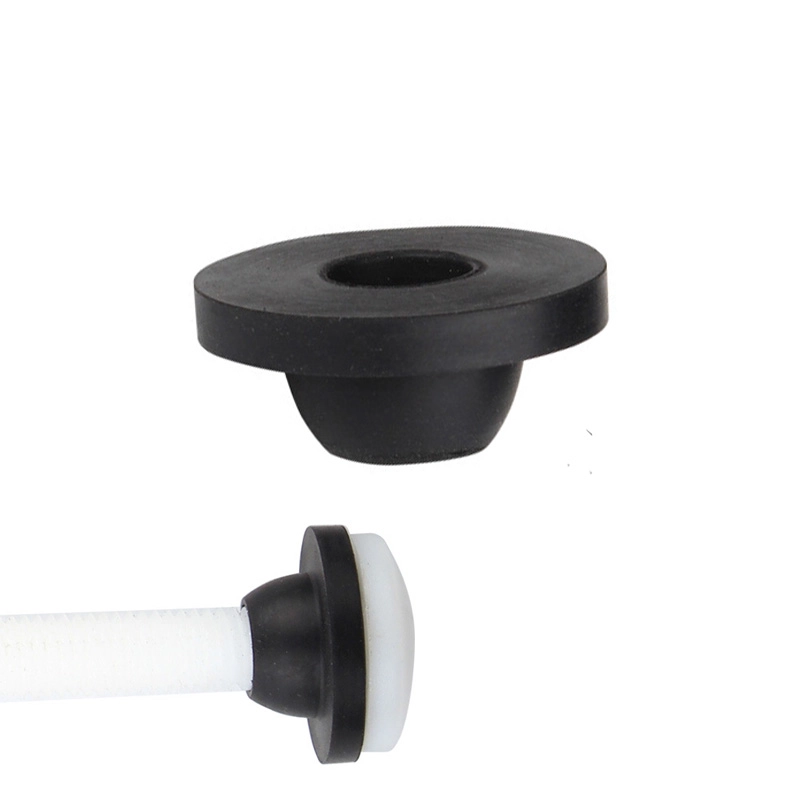 Conical Rubber Washers for Toilet Bolts Factory Wholesale