

Does any fill valve fit any toilet?
No, fill valves are not universal—but they are more interchangeable than flush valves, as most modern models are designed to fit standard toilet tanks. Compatibility depends on key factors like tank size, mounting type, and water line connection.
Fill valves (also called "ballcocks") are more flexible than flush valves, but you still need to check 3 key factors for a perfect fit. Below’s how to find the right one:
Common Myth: "All fill valves are the same." → Fact: While most modern valves are "universal," older toilets or specialty models may require specific designs.
Step 1: Identify the Mounting Style
Fill valves mount in 3 main ways (match this first!):
Bottom-Mounted (Most Common): Installs through a hole at the bottom of the tank, secured with a locknut from underneath. Used in 90% of residential toilets (standard and high-efficiency models).
Side-Mounted: Installs through a hole on the side of the tank (near the top). Found in older toilets (pre-1990s) or compact/marine toilets. Rare today, but replacement parts are still available.
Top-Mounted: Installs through the top of the tank (under the lid). Used in some specialty toilets (e.g., wall-hung or low-profile tanks). Least common.
How to check:
Remove the tank lid and look where the fill valve connects to the tank. If it goes through the bottom → bottom-mounted; side → side-mounted; top → top-mounted.
Step 2: Confirm Tank Height (Most Valves Are Adjustable)
Tools you’ll need:
Tape measure
Why it matters:
The fill valve’s height determines how much water fills the tank (too short = weak flush; too tall = overflow). Most modern fill valves are adjustable (10–14 inches / 25–35cm), fitting standard tank heights (12–16 inches).
How to measure:
Measure from the bottom of the tank (where the valve mounts) to the top of the overflow tube (the tall plastic tube in the center of the tank).
Choose an adjustable valve with a range that covers your measurement (e.g., if your tank is 13 inches tall, a 10–14 inch adjustable valve works).
Exception:
Compact toilets (e.g., RV, tiny home models) have shorter tanks (8–10 inches). You’ll need a low-profile fill valve (adjustable 8–10 inches).
Step 3: Match the Water Line Fitting
All toilets use a standard water line size—here’s what to confirm:
Thread Size: The water line that connects to the fill valve has a 1/2-inch (12mm) compression fitting (industry standard for all residential toilets). 99% of fill valves have this fitting, so no need to measure!
Connection Type: Most fill valves have a male thread (the water line screws onto it). Some older side-mounted valves have a female thread—just confirm by looking at your old valve (if replacing).
Pro Tip:
If your old water line is cracked or corroded, replace it with a new 1/2-inch compression line (they’re cheap and universal).
Quick Fill Valve Compatibility Checklist
| Check Item | What to Confirm | Universal? (Most Cases) |
|---|---|---|
| Mounting Type | Bottom/side/top-mounted (match your tank) | Bottom-mounted = Yes; Side/Top = No (specialty) |
| Height | Adjustable range covers tank height | Yes (adjustable valves fit standard tanks) |
| Water Line Fitting | 1/2-inch compression thread | Yes (standard for all toilets) |
| Toilet Type | Standard/HET/RV/Marine | Standard/HET = Yes; RV/Marine = No (low-profile needed) |
Pro Tips for Beginners:
1. If you’re replacing an old valve: Bring it to a hardware store—staff can match the mounting type and height in seconds.
2. For most homes: Buy a "universal bottom-mounted adjustable fill valve" (they cost $10–$20 and fit 95% of toilets).
3. Avoid cheap valves: Look for brands like Fluidmaster, Kohler, or American Standard—they last 5–7 years (vs. 1–2 years for generic ones).
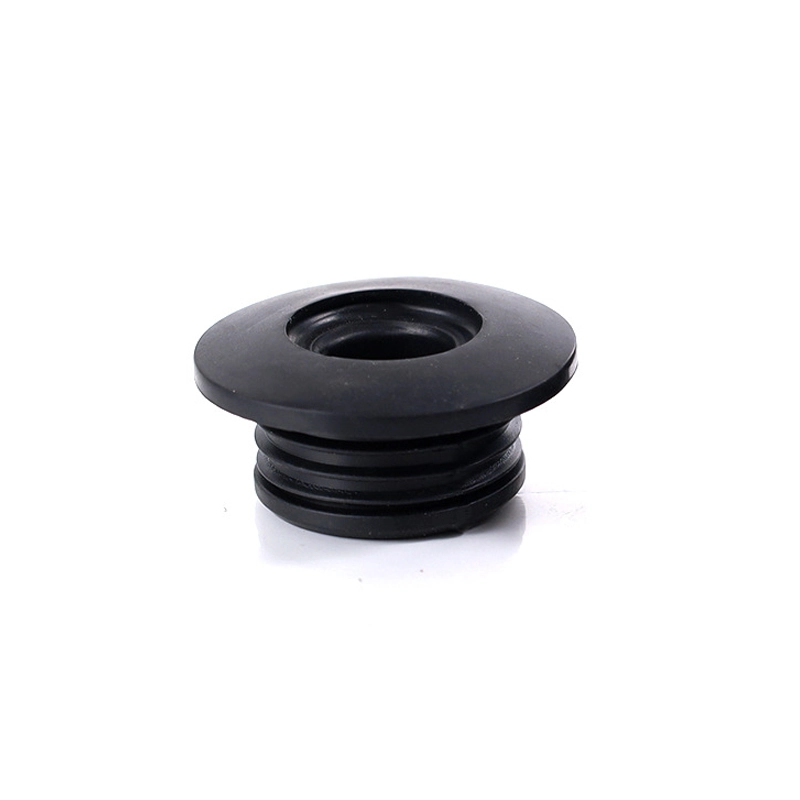 Urinal Sensor Inlet Seal Gasket Factory Replacement
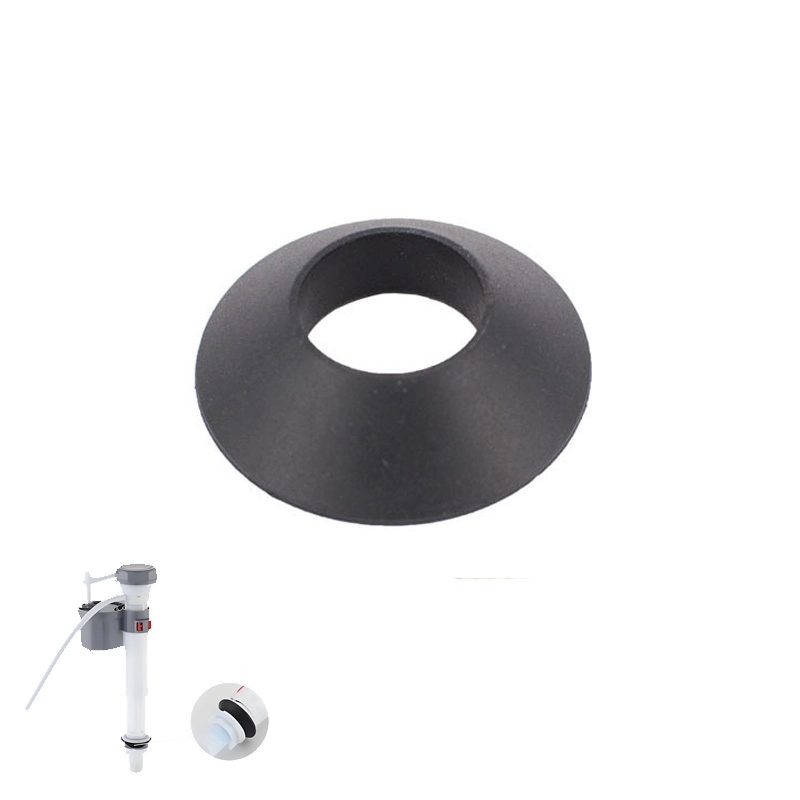 Toilet Tank Fill Valve Conical Seal Factory Replacement
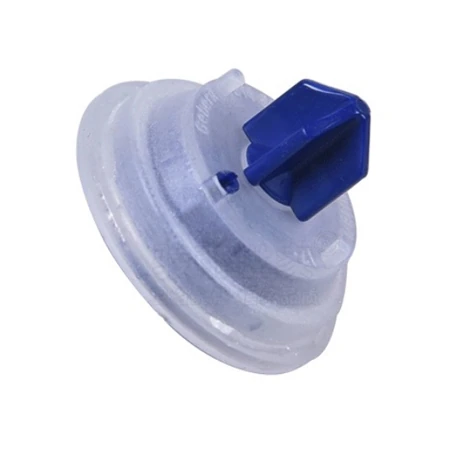 Wholesale Toilet Cistern Inlet Valve Diaphragm Washers
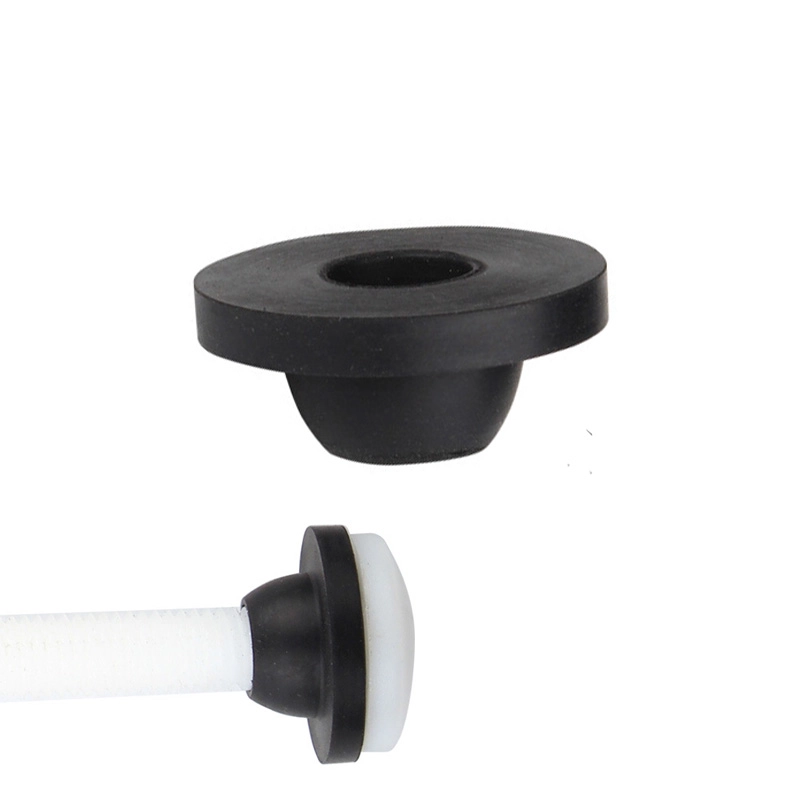 Conical Rubber Washers for Toilet Bolts Factory Wholesale