

Can I repair a toilet flush valve?
Yes, you can repair a toilet flush valve in many cases—especially for common issues like leaks, weak flushes, or stuck components. Repairs are often cheaper and faster than full replacement, but they depend on the valve type (flapper-style vs. canister-style) and the extent of damage.
Most flush valve problems (leaks, weak flushes, stuck parts) are fixable with basic tools and replacement washers/seals. Repairs take 15–30 minutes and cost $5–$15 (vs. $20–$50 for a new valve). Below’s how to fix the most common issues, organized by valve type.
Tools & Supplies You’ll Need
Basic Tools:
Common Replacement Parts (cheap & universal):
Step 1: Safety & Prep Work
1. Turn off the water supply to the toilet: Locate the shutoff valve behind the toilet (on the wall) and turn it clockwise until tight. Flush the toilet to drain all water from the tank.
2. Remove the tank lid: Set it on a soft surface (e.g., towel) to avoid cracking.
3. Soak up remaining water: Use a rag or sponge to dry the tank—this makes repairs easier and prevents leaks.
Repairs for Flapper-Style Valves (Most Common)
Flapper-style valves have a rubber flapper, chain, and valve seat. Most issues stem from a worn flapper, dirty valve seat, or misaligned chain.
Issue 1: Running Toilet (Leaky Flapper)
Cause: Flapper is worn, cracked, or has mineral buildup (prevents a tight seal).
1. Inspect the flapper: Look for cracks, tears, or brittleness. If damaged, replace it (universal flappers cost $5–$10).
2. Clean the valve seat: The rubber flapper seals against a plastic/metal seat at the bottom of the tank. Scrub it with vinegar-soaked cloth to remove mineral deposits (buildup prevents sealing).
3. Adjust the chain: If the chain is too long (flapper doesn’t close fully) or too short (flapper stays open), adjust the length so there’s 1/4-inch slack when the flapper is closed.
Issue 2: Weak Flush
Cause: Flapper is stuck, chain is tangled, or valve seat is clogged.
1. Check the chain: Untangle any knots or replace a broken chain (universal chains cost $3–$5).
2. Free a stuck flapper: If the flapper sticks to the valve seat (due to mineral buildup), coat the seat with a thin layer of petroleum jelly (temporary fix) or replace the flapper.
3. Clean the valve opening: Use a small brush to remove debris (e.g., sediment) from the tank’s bottom opening—clogs restrict water flow.
Issue 3: Leaks at the Tank Bottom (Base of Valve)
Cause: Worn gasket (rubber seal) between the flush valve and the tank.
1. Remove the flush valve: Unscrew the mounting bolts at the bottom of the tank (use a wrench) and lift the valve out.
2. Replace the gasket: Peel off the old, flattened gasket and install a new one (match the size to your valve—most are universal 2-inch or 3-inch).
3. Reinstall the valve: Tighten the mounting bolts evenly (don’t over-tighten—this cracks the tank) and reattach the flapper/chain.
Repairs for Canister-Style Valves (Modern Toilets)
Canister valves have a cylindrical canister, seal ring, and lift rod. Issues usually involve the seal ring or stuck canister.
Issue 1: Running Toilet (Leaky Canister)
Cause: Worn rubber seal ring at the base of the canister.
1. Remove the canister: Lift it straight up (some have a small clip or screw to release).
2. Replace the seal ring: The ring sits at the bottom of the canister—pull it off and snap on a new universal canister seal ($5–$8).
3. Clean the valve seat: Scrub the base of the tank (where the canister seals) with vinegar to remove mineral deposits.
Issue 2: Canister Stuck (Won’t Lift/Close)
Cause: Mineral buildup on the canister or valve stem.
1. Remove the canister and soak it in vinegar for 30 minutes to dissolve mineral deposits.
2. Scrub the valve stem (where the canister slides) with a brush to remove grime.
3. Reinstall the canister: Ensure it slides up and down smoothly. If not, replace the canister (cheaper than a full valve replacement).
When to Replace the Flush Valve (Not Repair)
Repairs only work for minor issues. Replace the entire flush valve if you see these signs:
Valve body is cracked, broken, or warped (plastic/cast iron damage can’t be fixed).
Valve seat is pitted or corroded (mineral buildup has eaten into the surface—seals won’t hold).
Multiple repairs have failed (e.g., flapper replacement didn’t stop the leak).
Valve is outdated (pre-1990s) or proprietary (hard to find replacement parts).
Repair vs. Replace: Quick Reference
| Problem | Repair (Yes/No) | Action |
|---|---|---|
| Worn flapper/seal ring | Yes | Replace flapper/seal + clean valve seat |
| Mineral buildup on seat/canister | Yes | Clean with vinegar; lubricate if needed |
| Tangled/broken chain | Yes | Adjust or replace chain |
| Leaky base gasket | Yes | Replace gasket |
| Cracked valve body | No | Replace entire valve |
| Corroded/pitted valve seat | No | Replace entire valve |
Pro Tips for Successful Repairs:
1. Always turn off the water supply first—water damage is avoidable!
2. Use non-abrasive cleaners (vinegar, baking soda) to avoid scratching valve seats (scratches cause leaks).
3. When buying replacement parts (flapper, gasket), bring your old part to the store for a perfect match.
4. Don’t over-tighten bolts—toilet tanks are porcelain and crack easily.
5. Test the repair: Turn the water back on, let the tank fill, and flush 2–3 times to check for leaks.
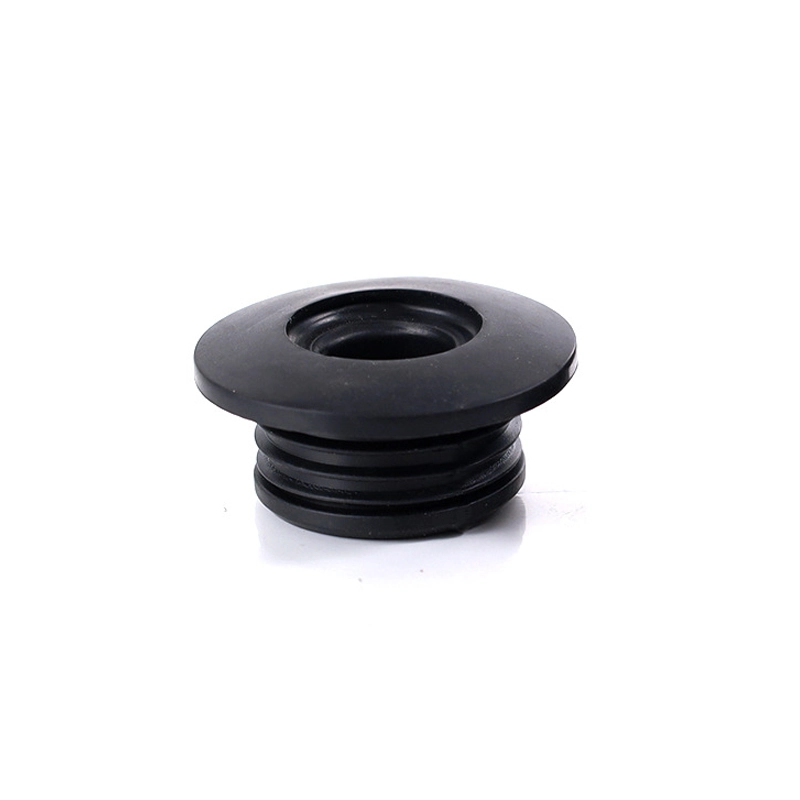 Urinal Sensor Inlet Seal Gasket Factory Replacement
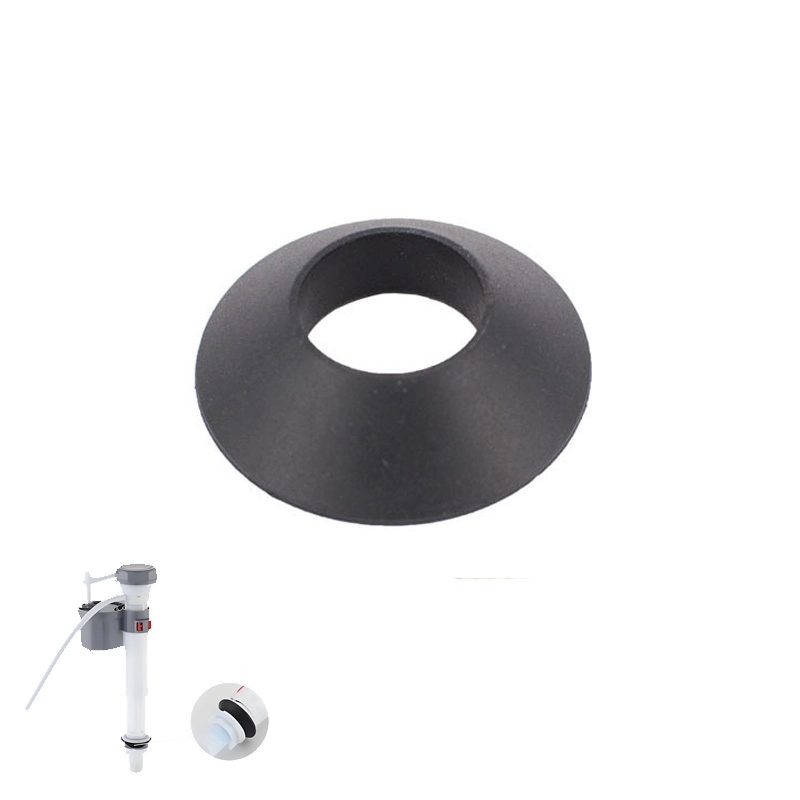 Toilet Tank Fill Valve Conical Seal Factory Replacement
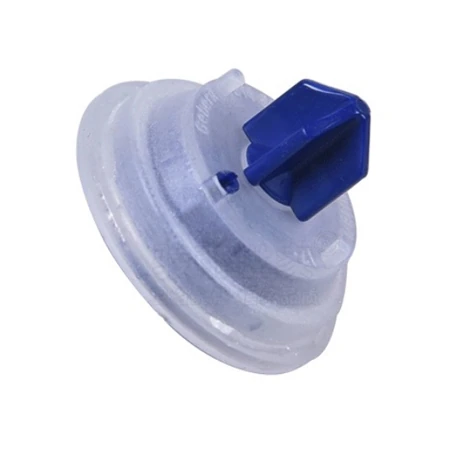 Wholesale Toilet Cistern Inlet Valve Diaphragm Washers
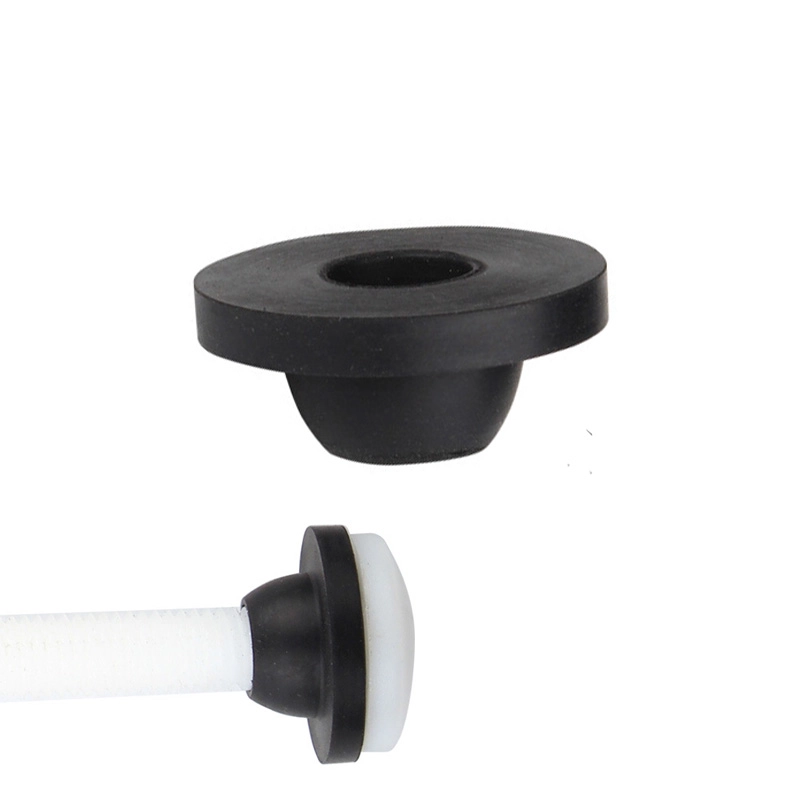 Conical Rubber Washers for Toilet Bolts Factory Wholesale