

How can I test if my toilet flush valve is working properly?
DIY Tests to Check if Your Toilet Flush Valve Works Properly
These 4 simple tests take 5–10 minutes total and require only household items (no plumbing tools). They’ll confirm if the valve is sealing, flushing, and draining correctly.
This test reveals if the flush valve seal (flapper/canister) is leaking water from the tank to the bowl (the #1 sign of failure).
Fail: Color seeps into the bowl → Flush valve seal is leaking (needs repair/replacement).
This test verifies if the valve opens fully and lets enough water flow to flush properly.
Does the tank empty quickly (10–15 seconds)?
Does the bowl flush completely (no waste left, water drains normally)?
Does the flapper/canister close fully after flushing (no continuous trickling)?
Fail: Weak flush (waste remains), slow tank draining, or valve stays open → Valve is stuck/clogged/degraded.
This test lets you confirm if the flapper/canister is seating correctly (no mechanical jams).
For canister-style valves: Push the canister down firmly onto its base—check it seals fully and lifts easily when pulled.
Fail: Sticks to the seat, has gaps, or won’t lift/close → Seal is worn or valve is stuck.
This test identifies leaks from the flush valve’s base gasket (between the valve and tank).
Water dripping from the tank-bowl connection.
Dampness/puddles on the floor under the tank.
Fail: Water leaks/dampness → Gasket is worn (or valve body is cracked).
1. Use dark food coloring (not light yellow/orange) – it’s easier to spot in the bowl.
2. If testing for leaks, place a dry paper towel under the tank base – it will absorb even small drips you might miss.
3. For hard water homes: Clean mineral buildup from the valve seat first (vinegar + brush) – buildup can cause false "fail" results in the seal test.
• If all tests pass: Flush valve is working properly – no action needed.
• If Test 1 (food coloring) fails: Replace the flapper/canister seal first (cheaper than full valve replacement).
• If Tests 2/3 fail (weak flush/stuck valve): Clean the valve seat/opening – replace the valve if cleaning doesn’t help.
• If Test 4 fails (base leak): Replace the flush valve gasket (or full valve if cracked).
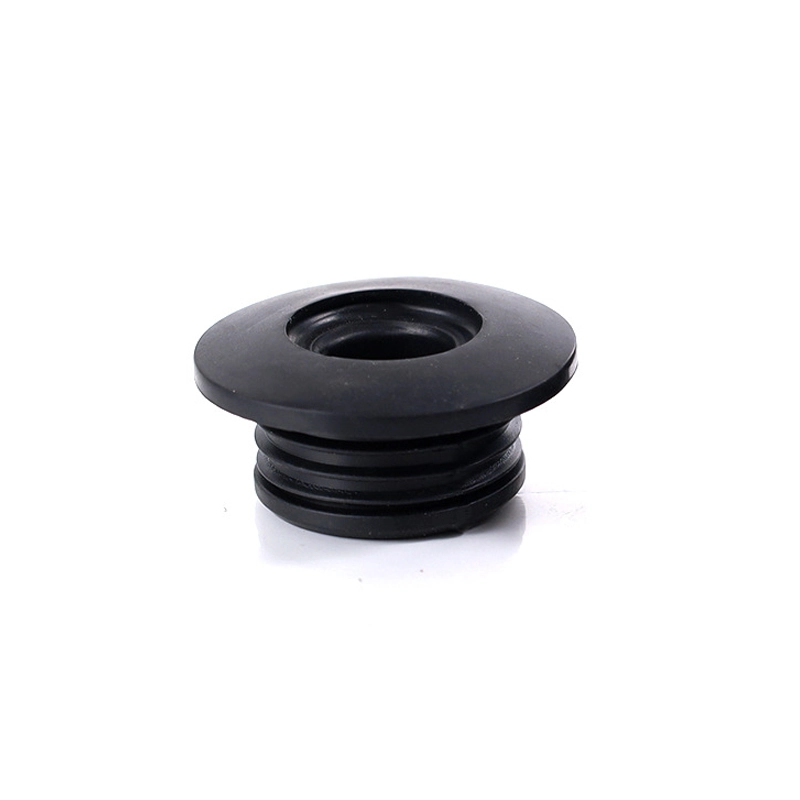 Urinal Sensor Inlet Seal Gasket Factory Replacement
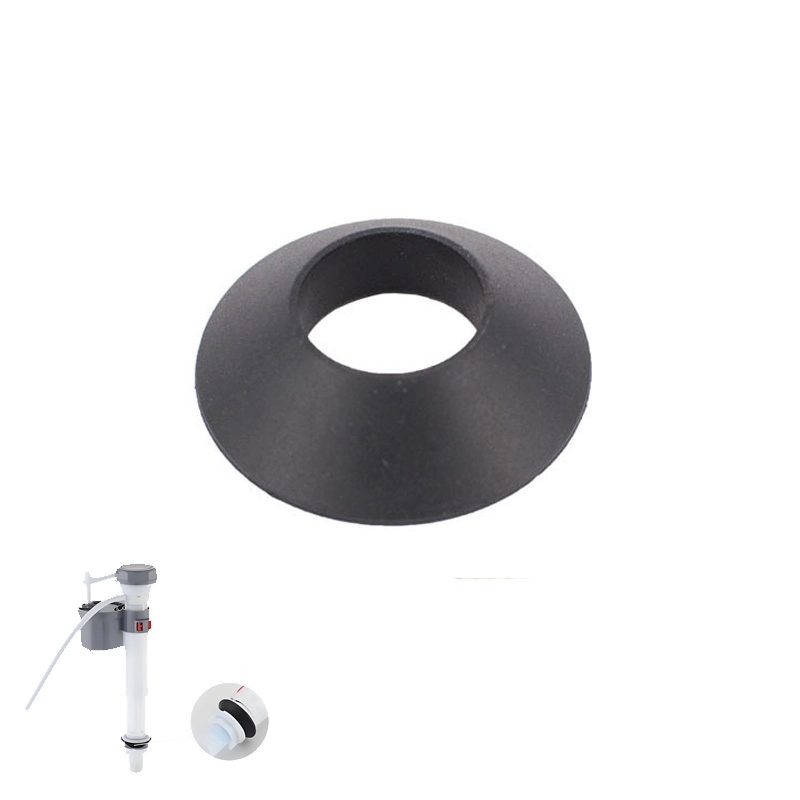 Toilet Tank Fill Valve Conical Seal Factory Replacement
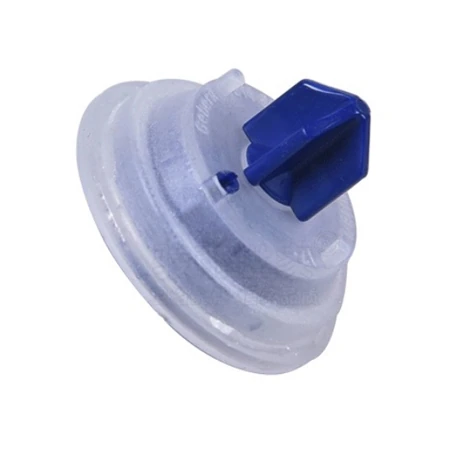 Wholesale Toilet Cistern Inlet Valve Diaphragm Washers
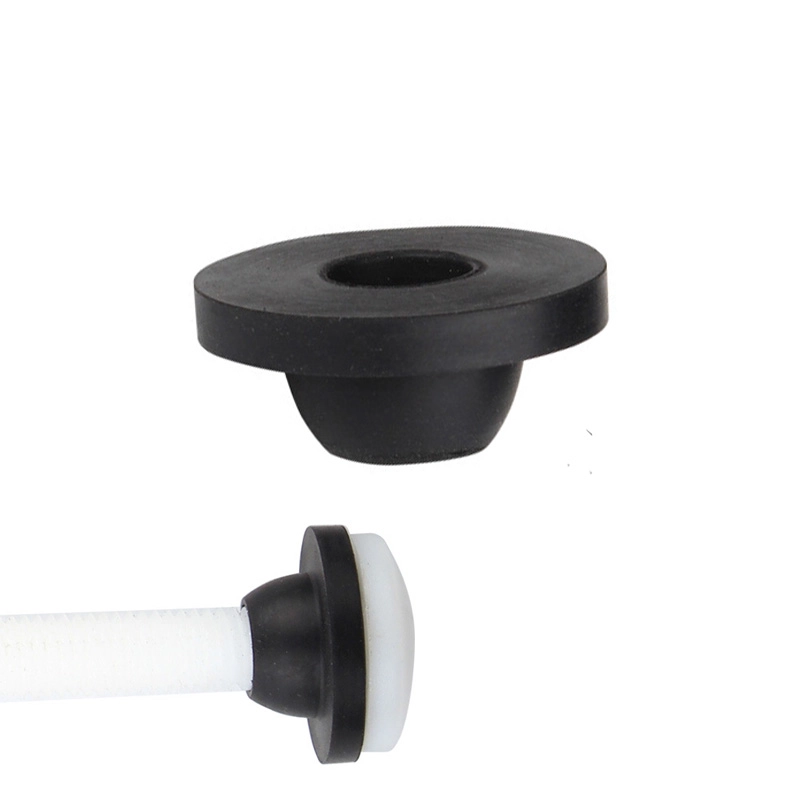 Conical Rubber Washers for Toilet Bolts Factory Wholesale