

What are the common causes of a toilet flush valve failure?
Common Causes of Toilet Flush Valve Failure
Flush valve failure is almost always caused by wear, buildup, or improper use—not manufacturing defects. Below are the top culprits, sorted by how often they occur, with notes on which valve types they affect most.
The rubber seal (flapper for standard valves, ring for canister valves) is the most vulnerable part of the flush valve. Over time:
Rubber hardens/cracks from exposure to water, cleaning chemicals, and air.
Mold/mildew grows on the seal, breaking down the rubber.
Normal wear from repeated opening/closing (3–5 years of use).
Symptoms: Constantly running toilet, water leaking from tank to bowl (confirmed by food coloring test).
Replace flappers every 3–5 years (proactive replacement, even if no leaks).
Avoid harsh tank cleaners (bleach, acid-based products) that degrade rubber.
Clean seals with vinegar yearly to remove mold/minerals.
Hard water contains calcium and magnesium that form crusty deposits on valve parts:
Buildup on the valve seat prevents the seal from closing tightly (causes leaks).
Deposits on canister stems or flapper hinges cause sticking (weak flushes, valve won’t open/close).
Clogs in the valve opening restrict water flow (poor flush performance).
Symptoms: Weak flushes, stuck flapper/canister, slow tank draining.
Clean valve parts with vinegar every 6–12 months (soak removable parts for 30 mins).
Install a water softener if you live in a hard water area.
Flush rarely used toilets monthly to prevent stagnant water buildup.
The rubber gasket between the flush valve and the tank bottom seals the connection. Failure happens when:
The gasket compresses over time (loses its ability to seal).
Mounting bolts are over-tightened (cracks the gasket or porcelain tank).
Chemical cleaners degrade the gasket material.
Symptoms: Water leaking from the tank-bowl connection, puddles on the floor behind the toilet.
Tighten mounting bolts evenly (don’t over-tighten—hand-tight + ¼ turn max).
Replace gaskets every 6–7 years (proactive swap).
Use silicone-based gaskets (more durable than rubber) for replacements.
Flush valve bodies (plastic or metal) can break from:
Dropping heavy objects into the tank (e.g., cleaning tools, toilet brushes).
Over-tightening bolts (cracks plastic valve bodies).
Freezing temperatures (water expands and splits the valve—common in unheated bathrooms).
Age-related warping (plastic degrades after 7–10 years).
Symptoms: Visible cracks in the valve, severe leaks, valve won’t stay in place.
Keep hard objects out of the toilet tank.
Insulate pipes and tanks in unheated areas to prevent freezing.
Replace valves proactively after 7–10 years (even if no visible damage).
Aftermarket or DIY replacements often fail due to:
Using the wrong valve size (e.g., 3-inch valve in a 2-inch tank opening).
Misaligning the canister or flapper (prevents proper sealing).
For dual-flush valves: Incorrectly setting the flush volume (strains internal parts).
Symptoms: Leaks, weak flushes, valve that won’t open/close fully.
Match valve size to tank opening diameter (measure before buying).
Follow manufacturer instructions for alignment (don’t force parts into place).
Use brand-matched parts for specialized valves (e.g., Toto, Kohler dual-flush).
The chain connecting the flapper to the toilet handle is a common failure point:
Chain is too long (flapper doesn’t lift fully → weak flush) or too short (flapper can’t close → running toilet).
Chain rusts or breaks (flapper won’t activate).
Hinges on the flapper wear out (flapper hangs crookedly → leaks).
Symptoms: Weak flushes, running toilet, flapper that won’t lift.
Adjust chain length to have ¼-inch slack when the flapper is closed.
Replace metal chains with plastic-coated ones (resist rust).
Check hinges yearly for wear—replace the flapper if hinges are cracked.
Failure Cause Quick Reference
| Cause | Most Affected Valve Type | Key Symptom | Preventive Action |
|---|---|---|---|
| Worn Seals | Flapper-style | Running toilet | Replace seals every 3–5 years |
| Mineral Buildup | All (hard water areas) | Weak flushes, sticking parts | Vinegar cleaning every 6–12 months |
| Worn Base Gasket | All | Tank base leaks | Even bolt tightening, 6–7 year replacement |
| Physical Damage | All | Visible cracks, severe leaks | Keep heavy objects out of tank |
| Improper Installation | Canister/dual-flush | Misaligned sealing | Match valve size to tank opening |
| Chain/Hinge Issues | Flapper-style | Weak flushes, stuck flapper | Adjust chain slack, use plastic-coated chains |
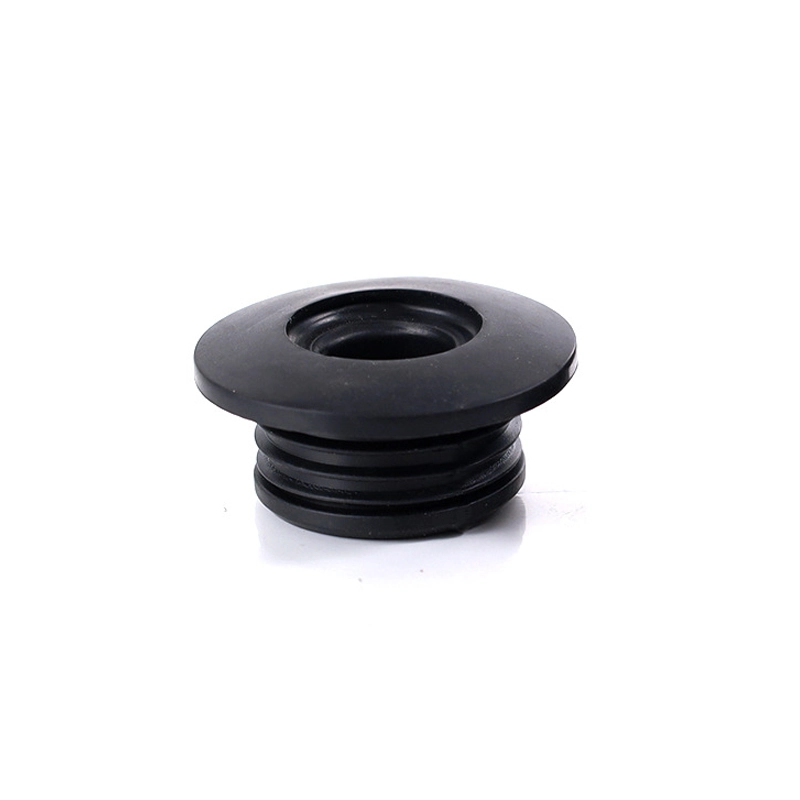 Urinal Sensor Inlet Seal Gasket Factory Replacement
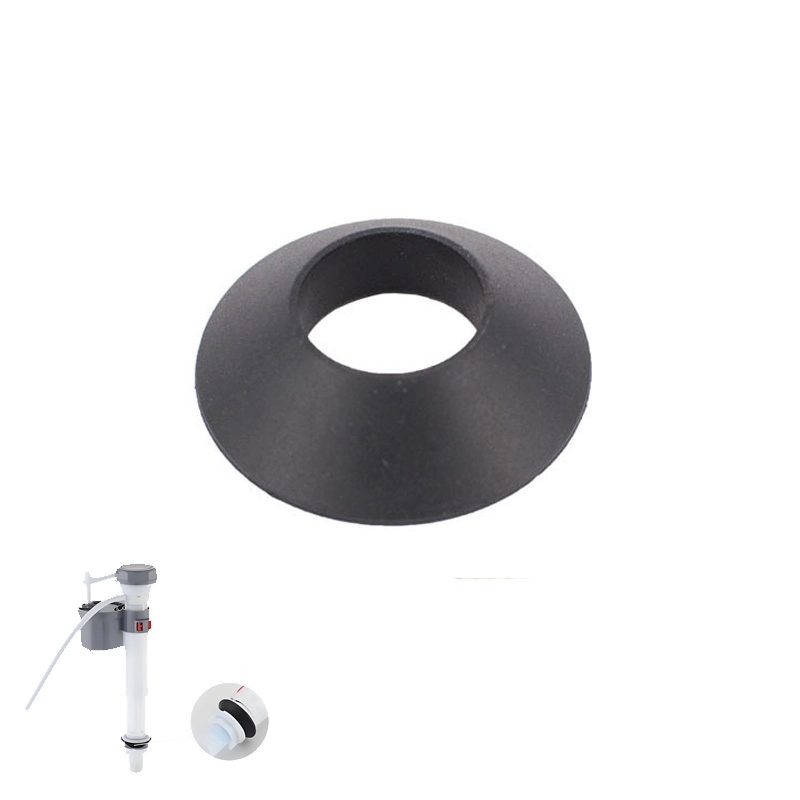 Toilet Tank Fill Valve Conical Seal Factory Replacement
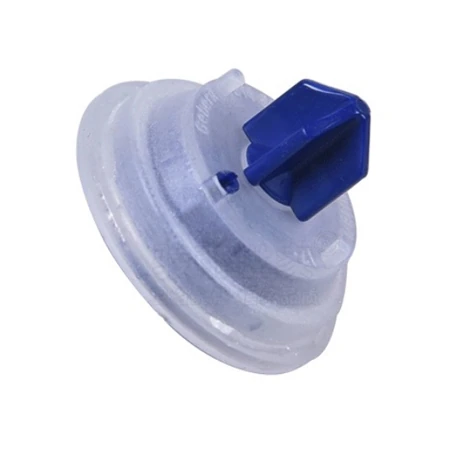 Wholesale Toilet Cistern Inlet Valve Diaphragm Washers
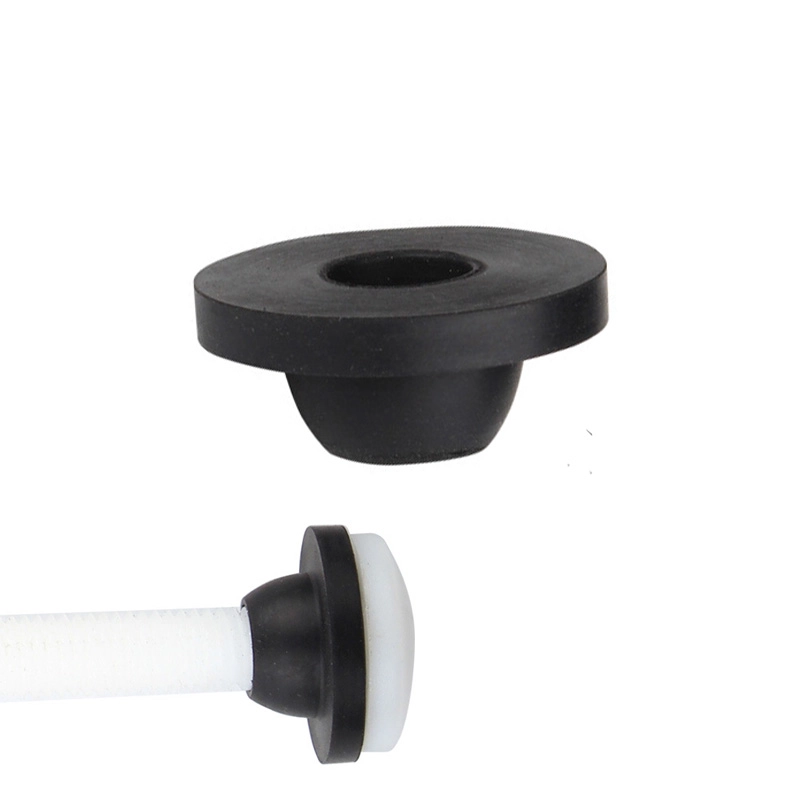 Conical Rubber Washers for Toilet Bolts Factory Wholesale