

How do you replace the rubber seal on the back of a toilet?
How to Replace a Toilet Tank-to-Bowl Gasket (Rubber Seal)
The "tank-to-bowl gasket" (also called a spud gasket) is the rubber seal that fits between the toilet tank’s flush valve opening and the bowl’s inlet. A worn, cracked, or compressed gasket causes leaks at the tank-bowl connection—this repair takes 30–45 minutes and requires only basic tools.
Tools & Materials You’ll Need
Adjustable wrench (or socket wrench)
Screwdriver (flathead or Phillips, depending on your toilet)
Putty knife (plastic, to avoid scratching porcelain)
Bucket (to catch residual water)
Clean rags/towels
Rubber gloves (optional, for hygiene)
"Replacement tank-to-bowl gasket" (match the size: 2-inch or 3-inch—measure the flush valve opening in your tank)
"New tank-to-bowl bolts" (optional, but recommended—rusted bolts are common and can break during removal)
Silicone grease (optional, to help the gasket seat properly)
Turn off the toilet’s water supply before starting (shutoff valve behind the toilet—turn clockwise until tight).
Toilet tanks are heavy (20–30 lbs when empty) and fragile—lift with your legs, not your back, and have a helper if needed.
Never over-tighten tank bolts—porcelain cracks easily (hand-tight + ¼ turn max with a wrench).
Step-by-Step Replacement Process
1. Flush the toilet to drain most of the water from the tank.
2. Use a bucket to scoop out any remaining water.
3. Wipe the tank dry with a rag—this makes removal easier and prevents water damage to the floor.
1. Locate the flexible water supply line connecting the shutoff valve to the bottom of the tank.
2. Use an adjustable wrench to loosen the nut at the tank end (turn counterclockwise).
3. Place a bucket under the connection to catch any residual water, then fully disconnect the line.
1. Locate the two or four tank-to-bowl bolts under the toilet bowl (they secure the tank to the bowl).
2. Use a wrench to loosen the nuts on the bolts (turn counterclockwise). If the bolts are rusted, spray with a penetrating oil (e.g., WD-40) and wait 5 minutes before trying again.
3. Once the nuts are removed, carefully lift the tank straight up and off the bowl. Set it on a soft towel (to avoid scratching the porcelain or cracking the tank).
1. On the bottom of the tank, locate the old rubber gasket around the flush valve opening (the large hole where water flows to the bowl).
2. Pry the old gasket loose with a plastic putty knife—be gentle to avoid scratching the tank’s porcelain.
3. Use a rag soaked in vinegar to clean any mineral buildup or old gasket residue from the flush valve opening and the bowl’s inlet surface—this ensures a tight seal for the new gasket.
1. Take your new tank-to-bowl gasket—ensure it’s the correct size (2-inch or 3-inch) for your flush valve.
2. (Optional) Apply a thin layer of silicone grease to both sides of the gasket—this helps it seat properly and prevents sticking in the future.
3. Press the gasket firmly into the flush valve opening on the bottom of the tank—make sure it’s centered and sits flat (no twists or gaps).
If your new gasket has a tapered side, face the tapered side toward the bowl—this creates a tighter seal when the tank is reattached.
1. If you’re using new tank-to-bowl bolts, insert them through the mounting holes in the tank.
2. Carefully lift the tank and lower it onto the bowl—align the bolts with the holes in the bowl and ensure the gasket is pressed firmly against the bowl’s inlet.
3. Thread the nuts onto the bolts by hand—this ensures they’re not cross-threaded.
1. Use a wrench to tighten the nuts alternately and evenly (e.g., tighten left nut ¼ turn, then right nut ¼ turn). This prevents the tank from warping or cracking.
2. Stop tightening when the tank is secure and doesn’t wiggle—do not over-tighten (this is the most common cause of cracked tanks).
3. Reconnect the water supply line to the bottom of the tank and tighten the nut by hand + ¼ turn with a wrench.
Turn on the water supply: Open the shutoff valve fully (turn counterclockwise) and let the tank fill.
Check for leaks at the tank-bowl connection: Look for water dripping between the tank and bowl. If leaks occur, tighten the bolts 1/8 turn at a time (evenly) until the leak stops. If leaks persist, the gasket may be misaligned—remove the tank and reposition the gasket.
Flush the toilet 2–3 times: Check for leaks again after flushing—water pressure during flushing can reveal small leaks that weren’t visible when the tank was full.
Check the water supply line connection: Ensure no water is leaking from the supply line nut at the bottom of the tank.
Always replace the tank-to-bowl bolts if they’re rusted—new bolts cost $5–$10 and prevent future leaks.
Use a foam rubber gasket instead of a solid rubber one if you live in a hard water area—foam conforms better to uneven surfaces and resists mineral buildup.
If your toilet has a foam gasket, do not use silicone grease—it can break down the foam over time.
Clean the tank and bowl surfaces thoroughly before installing the new gasket—any dirt or buildup will prevent a tight seal.
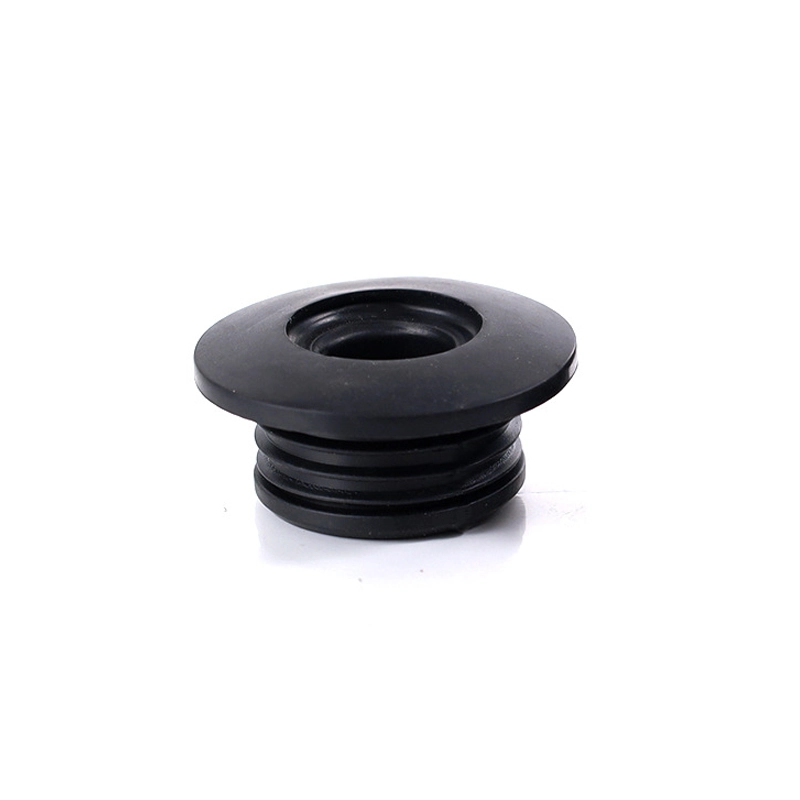 Urinal Sensor Inlet Seal Gasket Factory Replacement
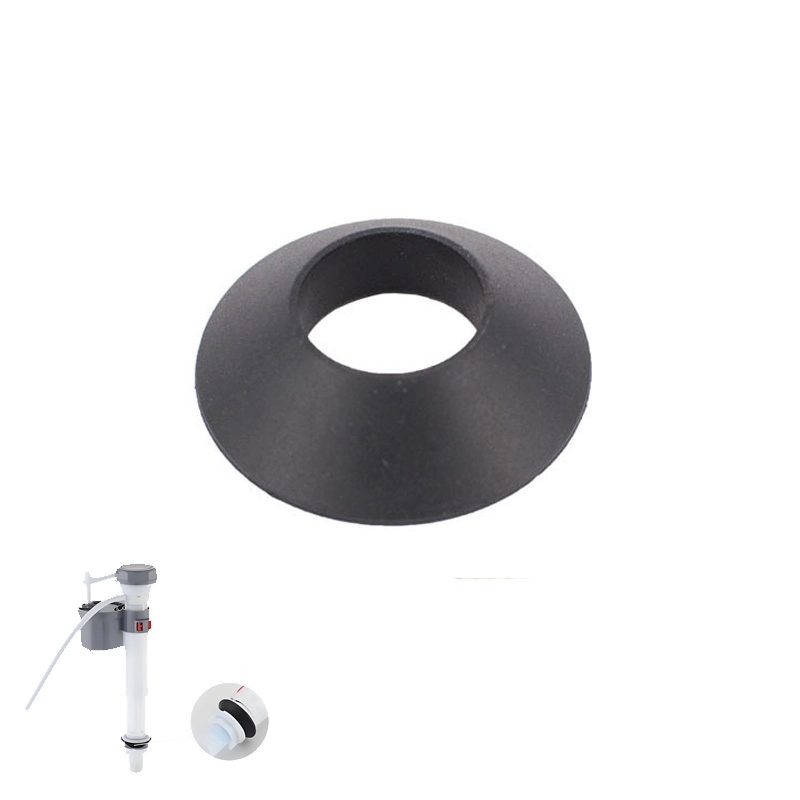 Toilet Tank Fill Valve Conical Seal Factory Replacement
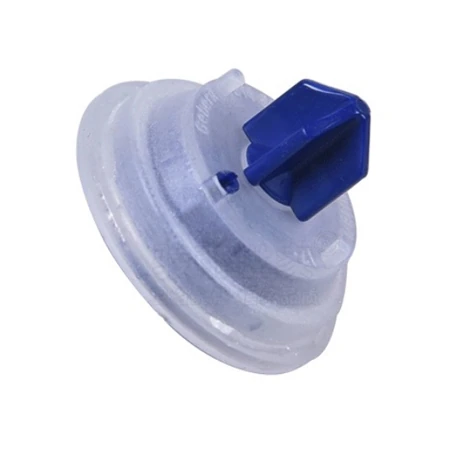 Wholesale Toilet Cistern Inlet Valve Diaphragm Washers
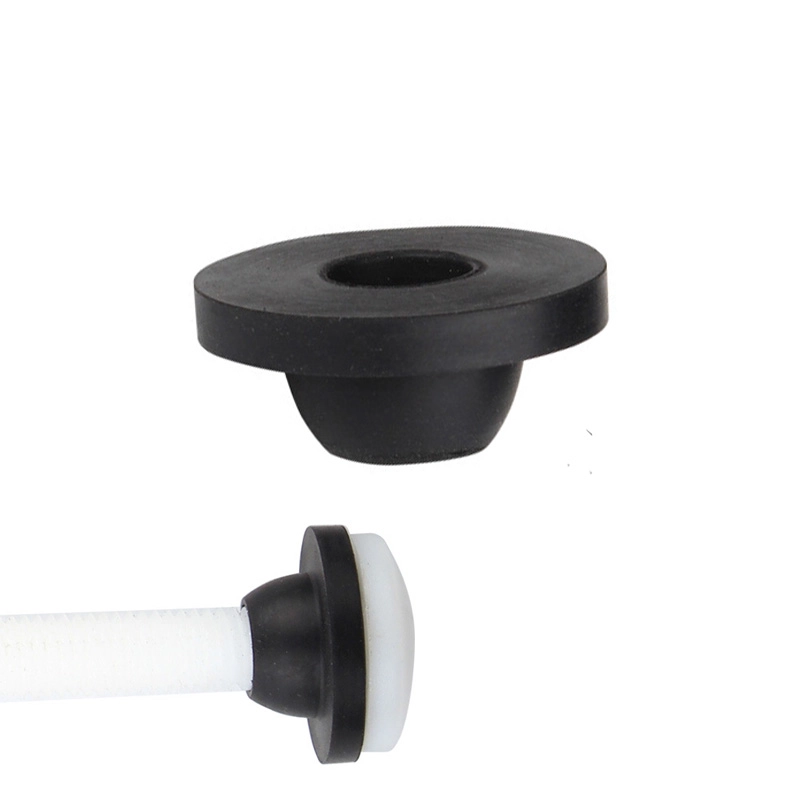 Conical Rubber Washers for Toilet Bolts Factory Wholesale