

Can You Repair a Toilet Flush Valve Yourself? DIY vs Plumber Guide
Yes — in most cases, you can repair a toilet flush valve yourself without hiring a professional.
Common problems such as a worn flapper, leaking seal ring, or weak flushing performance are simple DIY fixes that typically take less than one hour.
This guide explains:
⭐ which toilet flush valve problems are DIY-friendly
⭐ when you should call a plumber
⭐ real repair costs and time
⭐ practical tips from toilet parts specialists
DIY Toilet Flush Valve Repairs You Can Handle
Many toilet tank issues are caused by normal wear and mineral buildup. These repairs are safe for homeowners with basic tools.
✔ Running Toilet Caused by Worn Flapper or Seal
A damaged flush valve seal is the most common cause of constant water flow.
Replacing the seal ring or flapper usually takes 10–15 minutes.
✔ Weak Flush Due to Mineral Deposits
Hard water buildup can block valve movement. Cleaning or replacing the valve components restores proper flushing power.
✔ Loose or Misaligned Chain
If the chain is too tight or tangled, the flush valve may not close completely.
Adjusting it requires no plumbing experience.
✔ Leaking Tank-to-Bowl Gasket
Water pooling around the toilet base often comes from a worn rubber gasket.
Replacing it is a straightforward DIY repair.
✔ Full Flush Valve Replacement
Universal flush valves fit most standard toilets and can be installed using only a wrench and screwdriver.
👉 DIY is suitable when:
The leak source is clearly visible
No porcelain cracks are present
Replacement parts are easy to purchase
You feel comfortable turning off the water supply
When You Should Call a Professional Plumber
Some toilet problems involve higher risks or require specialized tools.
⚠ Cracked Toilet Tank or Bowl
Porcelain damage can worsen quickly under water pressure.
Professional repair or full replacement is usually necessary.
⚠ Hidden Water Leaks
If floors, ceilings, or walls show moisture but the source is unclear, a plumber should inspect the plumbing system.
⚠ Rusted or Seized Bolts
Tank bolts can snap during removal, potentially breaking the toilet tank.
⚠ Non-Standard or High-End Flush Systems
Certain dual-flush or brand-specific valves require precise replacement parts.
⚠ Water Supply Line Issues
Leaks from the shut-off valve or supply pipe may involve home plumbing infrastructure.
DIY Flush Valve Repair Checklist
Before starting your repair, confirm the following:
✅ You know exactly which part is faulty
✅ Replacement parts are available
✅ You have basic tools
✅ You can safely lift the toilet tank
✅ No visible structural damage exists
If any answer is No, consider further research or hiring a professional.
Cost Comparison: DIY vs Professional Repair
| Repair Type | DIY Cost | Professional Cost | Time Required |
|---|---|---|---|
| Replace flapper or seal | $5–$15 | $100–$150 | 10–15 min |
| Replace tank gasket | $5–$20 | $150–$200 | 30–45 min |
| Replace flush valve | $15–$50 | $200–$300 | 45–60 min |
| Repair cracked tank | Not recommended | $300–$500 | 1–2 hrs |
Costs vary depending on location and toilet model.
Expert DIY Tips for First-Time Repairs
⭐ Take photos before disassembly
⭐ Choose universal replacement parts when possible
⭐ Avoid over-tightening bolts to prevent porcelain damage
⭐ Test for leaks after each repair step
⭐ Work slowly to reduce breakage risk
These simple precautions greatly improve repair success.
Conclusion
Most toilet flush valve problems are beginner-friendly repairs that can save significant plumbing costs.
However, structural damage, hidden leaks, or complex valve systems require professional attention.
Understanding the difference helps homeowners fix minor issues quickly while avoiding expensive mistakes.
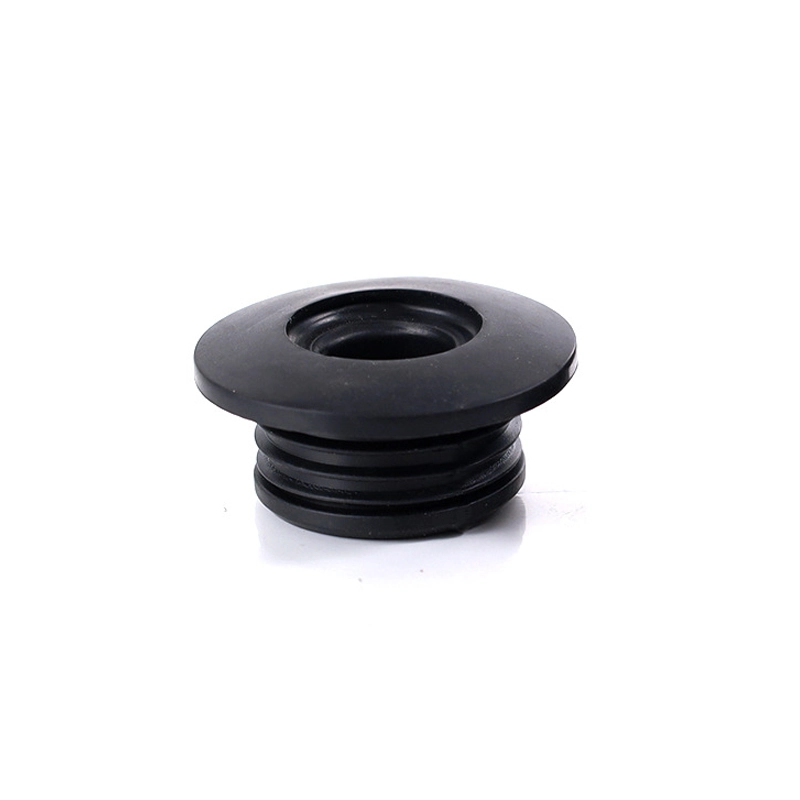 Urinal Sensor Inlet Seal Gasket Factory Replacement
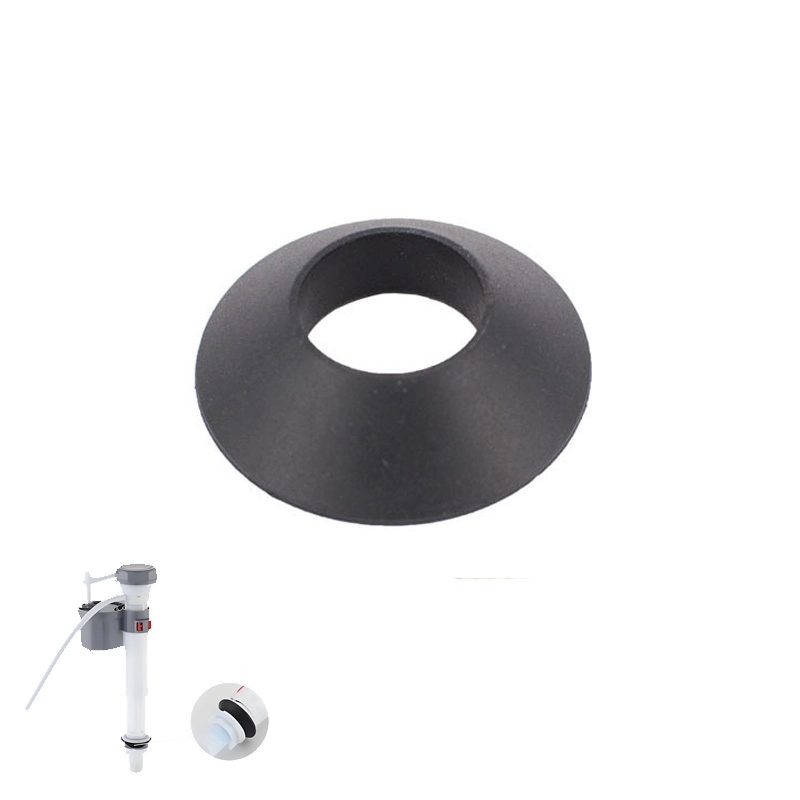 Toilet Tank Fill Valve Conical Seal Factory Replacement
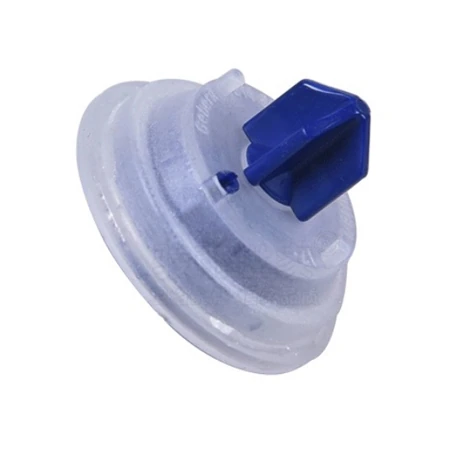 Wholesale Toilet Cistern Inlet Valve Diaphragm Washers
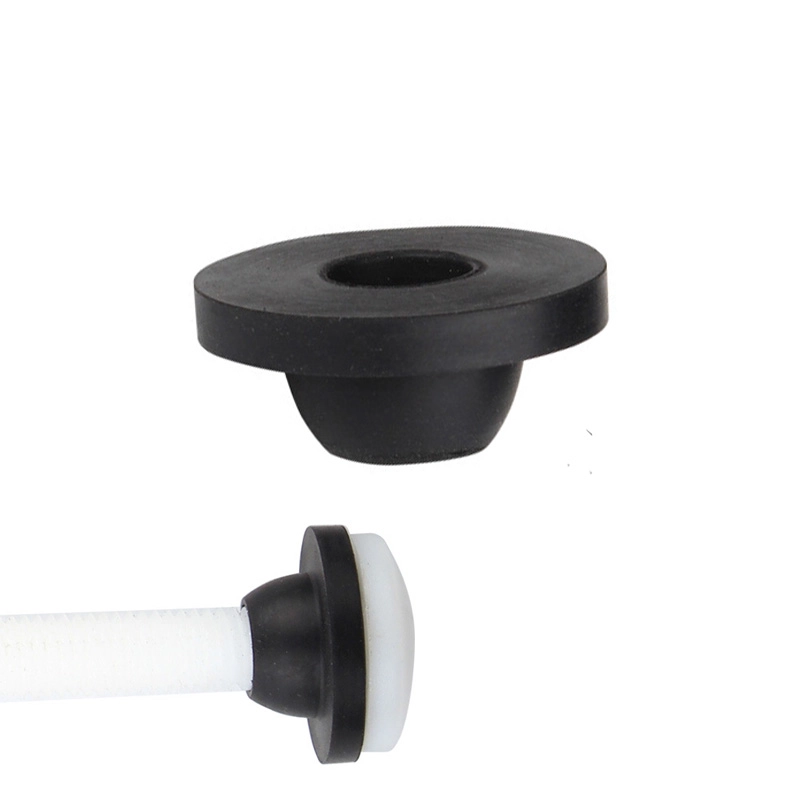 Conical Rubber Washers for Toilet Bolts Factory Wholesale