

How to Fix a Slow Toilet Tank Leak After Replacing the Flapper
Replacing the toilet flapper is often the first step to stopping a slow toilet leak. However, if the leak continues, the problem may involve other tank components.
This expert step-by-step guide explains how to identify the real cause and fix the issue quickly, helping you prevent water waste and avoid costly plumbing repairs.
Step 1: Confirm Where the Leak Is Coming From
Before making repairs, identify the exact leak location.
✔ Leak Into the Toilet Bowl (Most Common)
Add a few drops of food coloring into the toilet tank.
Wait 10–15 minutes without flushing.
If colored water appears in the bowl, the leak is inside the tank.
✔ Leak Outside the Toilet
Check for:
Water pooling around the toilet base
Moisture near tank bolts
Dripping supply line connections
This usually indicates a gasket, bolt washer, or connection problem.
Step 2: Fix Internal Tank Leaks
If water is leaking into the bowl, inspect the following components.
1. Damaged or Dirty Flush Valve Seat
Even a new flapper will not seal properly if the valve seat is scratched or covered with mineral deposits.
How to fix:
Clean buildup using a soft brush or cloth
Avoid abrasive cleaners
Replace the flush valve assembly if damage is severe
2. Improper Flapper Chain Adjustment
A misaligned chain can prevent the flapper from sealing.
Correct setup:
Leave about 1–2 inches of slack
Ensure the chain does not get trapped under the flapper
3. Faulty Fill Valve Causing Overflow
If the fill valve does not shut off, excess water flows into the overflow tube and into the bowl.
Troubleshooting steps:
Lift the float manually
If water stops, adjust the float height
Set water level about 1 inch below overflow tube
Replace the fill valve if adjustment fails
4. Worn Tank-to-Bowl Gasket
A deteriorated gasket allows water to leak from the tank center.
Replacement process:
Turn off water supply
Flush to empty the tank
Disconnect supply line
Remove tank bolts
Install a correctly sized new gasket
Reinstall tank and tighten bolts evenly
Step 3: Fix External Toilet Leaks
If water appears on the floor, inspect these areas.
Tank Bolt Washers
Cracked or missing washers can cause slow leaks.
✔ Replace washers and corroded bolts
✔ Tighten evenly to prevent porcelain cracking
Water Supply Line Connection
Loose fittings or worn seals can drip slowly.
✔ Turn off the water
✔ Replace the internal washer
✔ Reconnect and tighten (hand-tight plus slight wrench turn)
High Water Level Overflow
If tank water constantly flows into the overflow tube, adjust the fill valve float.
Step 4: Perform Final Leak Testing
After completing repairs:
Turn on the water supply
Allow the tank to fill
Repeat the food coloring test
Monitor for at least 20 minutes
For homes with hard water, flushing the tank with a 1:1 vinegar solution can help remove mineral deposits and extend component lifespan.
Expert Tip: When to Replace the Entire Flush Valve
If multiple components show wear — such as the flush valve seat, overflow tube, and gasket — replacing the complete flush valve kit is often the most reliable and cost-effective solution.
This reduces future leaks and improves toilet flushing efficiency.
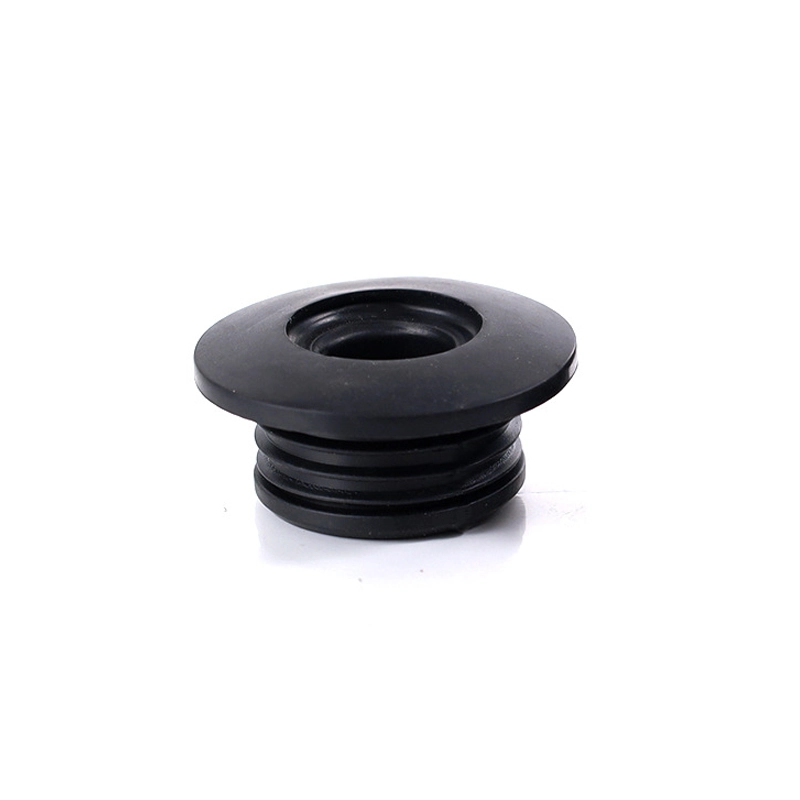 Urinal Sensor Inlet Seal Gasket Factory Replacement
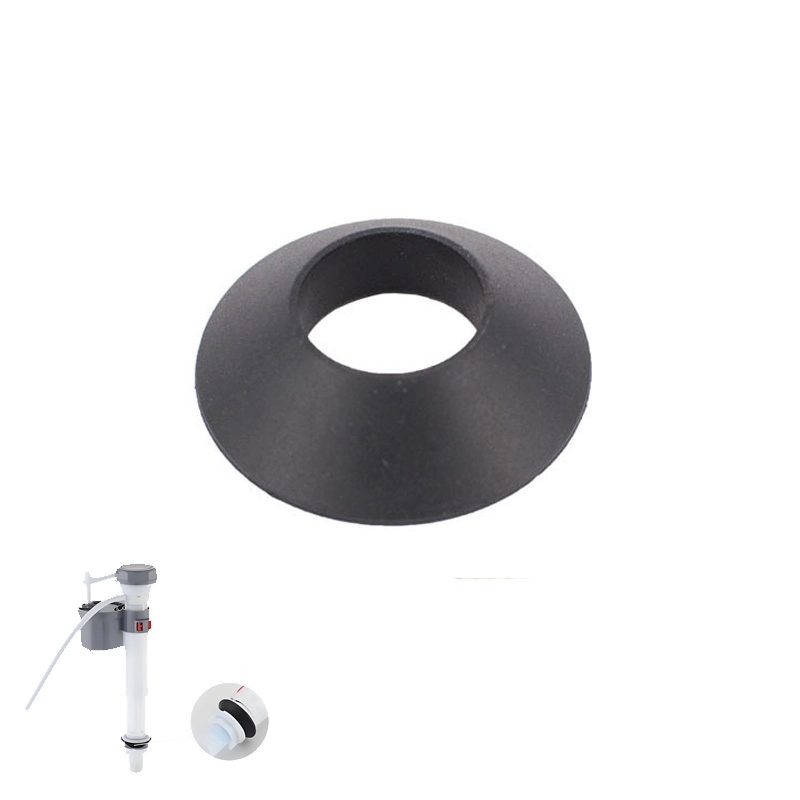 Toilet Tank Fill Valve Conical Seal Factory Replacement
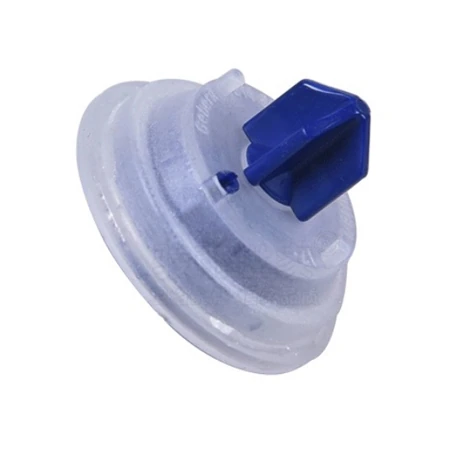 Wholesale Toilet Cistern Inlet Valve Diaphragm Washers
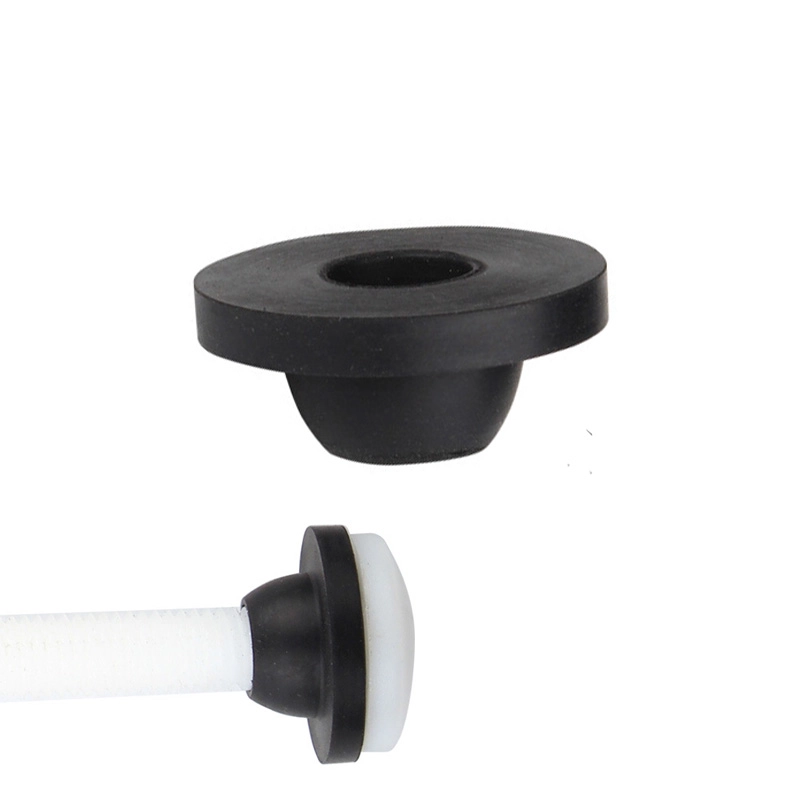 Conical Rubber Washers for Toilet Bolts Factory Wholesale