

What are some common causes of slow leaks in toilet tanks?
Common Causes of Slow Toilet Tank Leaks (Internal & External)
Slow toilet tank leaks are frustrating, waste water, and often stem from worn, misaligned, or clogged components. Most leaks fall into two categories: internal (tank to bowl) (invisible but wasteful) and external (tank to floor) (visible water pooling). Below is a breakdown of the most frequent causes and how to identify them.
1. Internal Leaks (Tank → Bowl) – Most Common
Internal leaks don’t leave puddles but cause constant water seepage into the bowl (you may hear a faint "running" sound). Use the food coloring test (add drops to the tank, wait 10 mins—colored water in the bowl confirms an internal leak).
Worn or Damaged Flapper (Rubber Seal)
The flapper is the rubber valve covering the flush valve opening at the tank’s bottom. It’s the #1 cause of slow leaks:
Rubber hardens/cracks/warps over time (5–10 year lifespan).
Chlorine in tap water accelerates degradation of rubber flappers.
Even a small tear or misalignment allows water to seep into the bowl.
Dirty or Damaged Flapper Seat
The flapper seals against a plastic/rubber seat around the flush valve opening:
Mineral buildup (limescale) coats the seat, preventing a tight seal (even with a new flapper).
Scratches/cracks on the seat (from cleaning or wear) create gaps for water to leak through.
Misadjusted/Tangled Flapper Chain
Chain too short: Pulls the flapper slightly open, causing constant water flow.
Chain too long: Gets caught under the flapper, blocking a full seal.
Tangled links: Prevent the flapper from closing completely.
Malfunctioning Fill Valve (Ballcock)
The fill valve controls tank water level—failure causes overflow into the bowl:
Worn float (ball/cylinder) fails to shut off water flow.
Clogged valve or misadjusted float height leads to water spilling into the overflow tube.
Symptom: Faint hissing sound from the fill valve or constant water flow into the bowl.
Deteriorated Tank-to-Bowl Gasket
This rubber gasket sits between the tank and bowl, sealing the flush valve opening:
Gasket shrinks/cracks/hardens over time (common in older toilets).
Water leaks around the valve (not through it) into the bowl—often mistaken for a flapper issue.
2. External Leaks (Tank → Floor/Surroundings)
External leaks are visible (water pooling around the toilet) and easier to identify. They often involve faulty connections or physical damage:
Worn Tank Bolt Washers
Tank bolts hold the tank to the bowl and have rubber washers on both sides:
Washers crack/harden from age or over-tightening of bolts.
Water seeps through bolt holes and drips onto the floor (often near the back of the toilet).
Loose/Damaged Supply Line Connection
The flexible supply line connects the wall valve to the tank:
Worn rubber washer inside the supply line fitting causes leaks at the tank/wall connection.
Loose fittings (hand-tighten + ¼ turn only—over-tightening damages washers).
Cracked Toilet Tank/Bowl
Rare but serious—small cracks (from impact or over-tightened bolts) cause slow seepage:
Cracks may be invisible to the naked eye (water pooling is the first sign).
Repair is difficult—replacement is usually necessary for structural cracks.
Overflow Tube Issues
Water level set too high (above the overflow tube’s top) causes constant spillage into the bowl:
Caused by a misadjusted fill valve (easy fix: lower the float height).
Symptom: Water continuously trickling into the bowl (sounds like a slow leak).
3. Contributing Factors That Worsen Leaks
These factors don’t directly cause leaks but accelerate component failure:
Hard water mineral buildup: Limescale coats seals/seats/valves, blocking tight closures (common in areas with hard water).
Chlorine/chemicals in water: Degrade rubber components (flappers, gaskets) faster than normal.
Old components: Most toilet parts (fill valves, flappers) last 5–10 years—aging parts are prone to failure.
Improper installation: Over-tightened bolts, misaligned flappers, or ill-fitting gaskets create leak points.
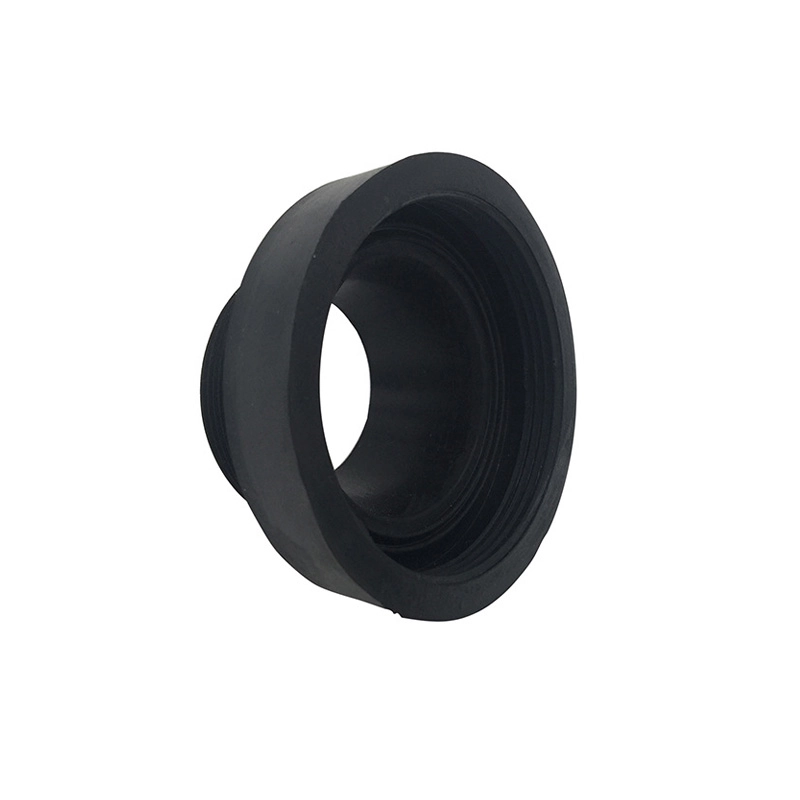 Urinal Drain Seal Gasket Wholesale Supplier
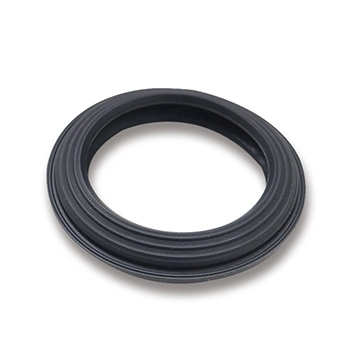 Box-Type Toilet Seat Cistern Seal Wholesale
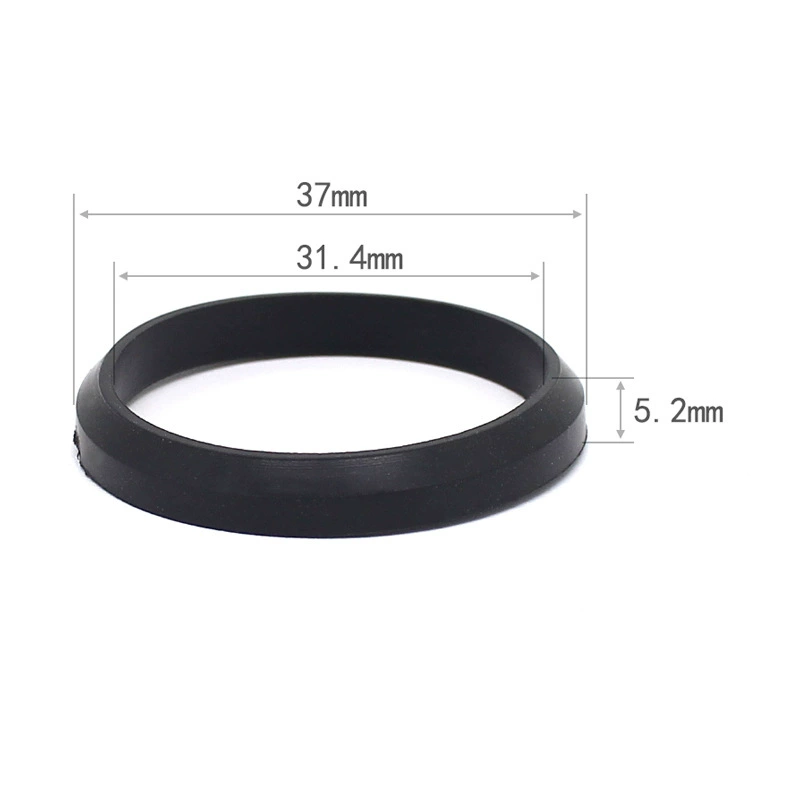 Rubber Gasket for Squat Toilet Flush Valve
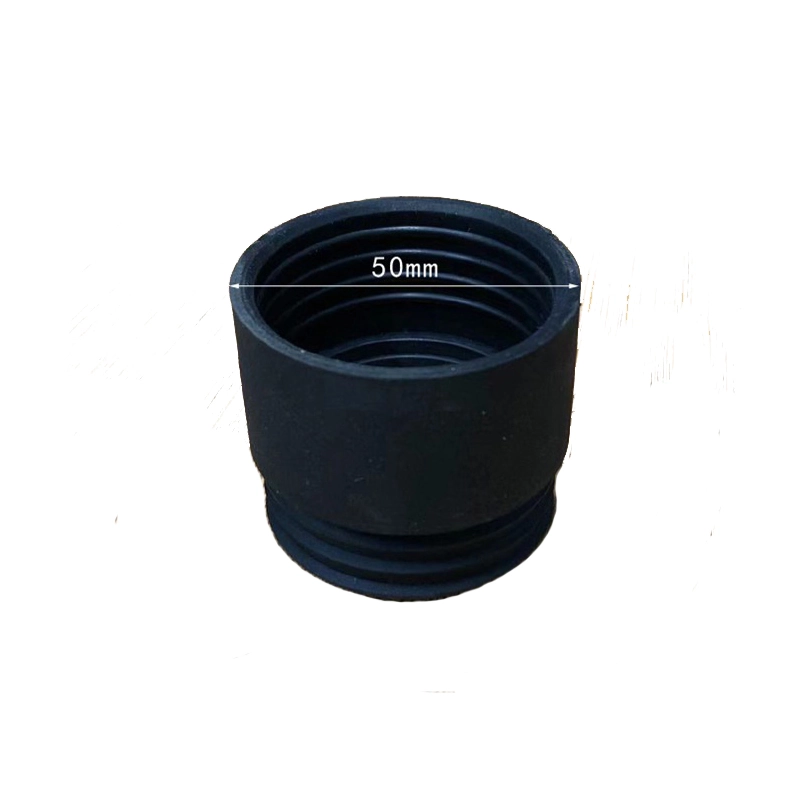 Squat Toilet Flush Pipe Rubber Sleeve