

How to Fix a Running Toilet Tank
A running toilet tank is one of the most common household plumbing problems. Beyond the annoying sound of constant water flow, a leaking or running toilet can waste hundreds of gallons of water per day, increasing utility bills and reducing system efficiency.
This complete step-by-step guide explains why a toilet tank keeps running, how to diagnose the issue, and how to fix it quickly — even if you’re a beginner. By following this practical guide, homeowners, landlords, and maintenance professionals can restore proper flushing performance and improve water efficiency. 🚽💧
✅ Why Your Toilet Tank Keeps Running
A toilet tank runs when water continuously flows from the tank into the bowl or when the tank cannot refill and shut off properly. The most common causes include:
Worn or misaligned flapper seal
Incorrect water level or float height
Faulty fill valve
Loose or leaking flush valve assembly
Mineral buildup or debris affecting tank components
Understanding the root cause is essential before attempting repairs.
🔎 Step 1: Confirm Where the Water Is Running
Before replacing any parts, identify the exact issue.
Running into the toilet bowl
Signs include:
Rippling water surface in the bowl
Intermittent refilling sounds
Dye test shows tank water entering bowl
👉 This usually indicates a flapper or flush valve sealing problem.
Constant tank refilling
Signs include:
Water continuously flowing into the overflow tube
Float never shutting off the water
Hissing sound from fill valve
👉 This often points to a fill valve or float adjustment issue.
🔧 Step 2: Fix or Replace the Toilet Flapper
The flapper is the most common reason for a running toilet. Over time, rubber can warp, crack, or collect mineral deposits.
How to fix it
1️⃣ Turn off the water supply valve near the base of the toilet.
2️⃣ Flush to empty most of the tank.
3️⃣ Inspect the flapper for:
Warping
Cracks
Slime or mineral buildup
4️⃣ Clean the valve seat and install a new flapper if needed.
5️⃣ Ensure the chain has slight slack (about 1–2 cm).
💡 Tip: A chain that is too tight prevents the flapper from sealing fully.
⚙️ Step 3: Adjust the Float and Water Level
If water flows into the overflow tube, the tank water level is too high.
Adjustment method
For float cup fill valves → pinch the clip and slide downward
For ball float systems → turn the adjustment screw counterclockwise
✔ Ideal water level:
About 1 inch (2.5 cm) below the top of the overflow tube
This simple adjustment can stop many running toilet problems instantly.
🔩 Step 4: Replace a Faulty Fill Valve
If the toilet keeps running after adjusting the float, the fill valve may be worn out.
Signs you need replacement
Constant hissing sound
Slow tank refill
Water not shutting off
Visible leaks or corrosion
Basic replacement steps
1️⃣ Shut off water supply
2️⃣ Disconnect supply line
3️⃣ Remove old fill valve locknut
4️⃣ Install new universal fill valve
5️⃣ Reconnect water and test
Modern fill valves are inexpensive, easy to install, and compatible with most toilets.
🧼 Step 5: Check for Flush Valve or Tank Leaks
Less commonly, the flush valve seat or tank bolts may be leaking.
Inspect for:
Water around tank-to-bowl connection
Mineral trails
Loose mounting bolts
Tightening bolts or replacing gaskets can restore a proper seal and stop continuous running.
💡 Preventive Maintenance Tips
To avoid future running toilet issues:
✅ Clean tank components every 6–12 months
✅ Avoid harsh chemical tank cleaners
✅ Replace rubber seals every 3–5 years
✅ Maintain correct water level settings
✅ Use quality replacement parts
Regular maintenance improves flushing performance and reduces water waste. 🌍
⭐ Conclusion
Fixing a running toilet tank is usually a simple DIY repair that takes less than 30 minutes. By checking the flapper, adjusting the float, and replacing worn components when necessary, you can stop constant water flow, lower utility costs, and extend the lifespan of your toilet system.
If the problem persists after these steps, a full flush valve replacement or professional plumbing inspection may be required.
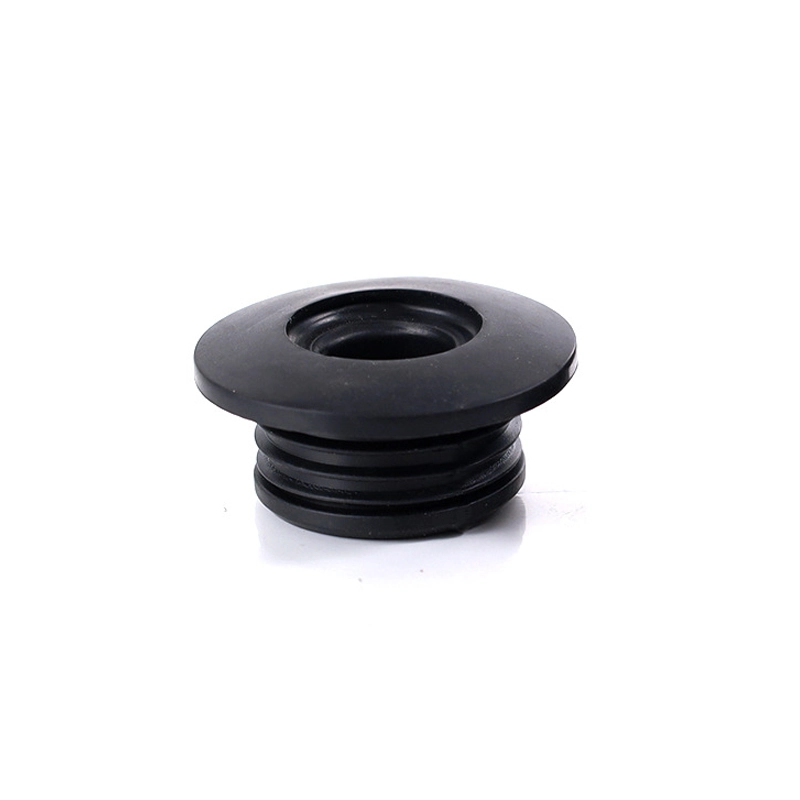 Urinal Sensor Inlet Seal Gasket Factory Replacement
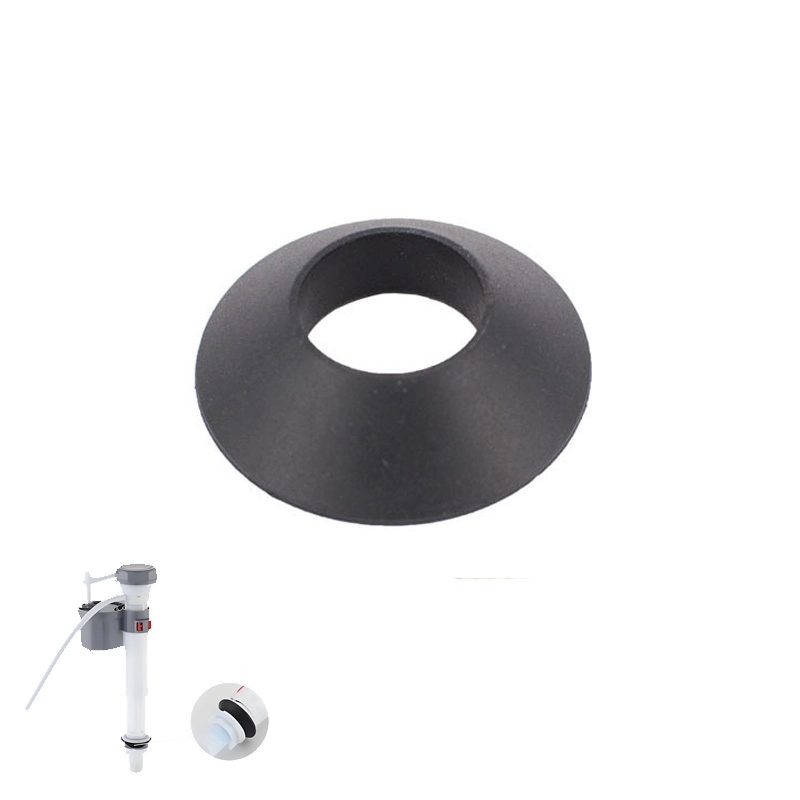 Toilet Tank Fill Valve Conical Seal Factory Replacement
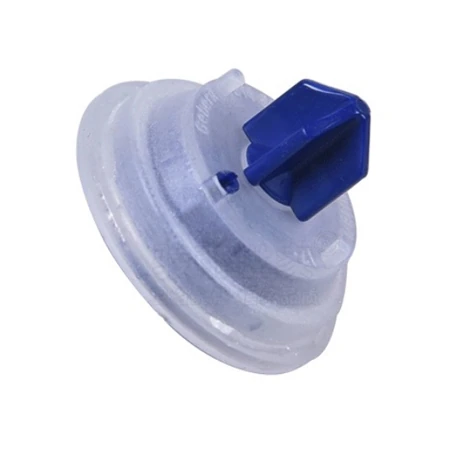 Wholesale Toilet Cistern Inlet Valve Diaphragm Washers
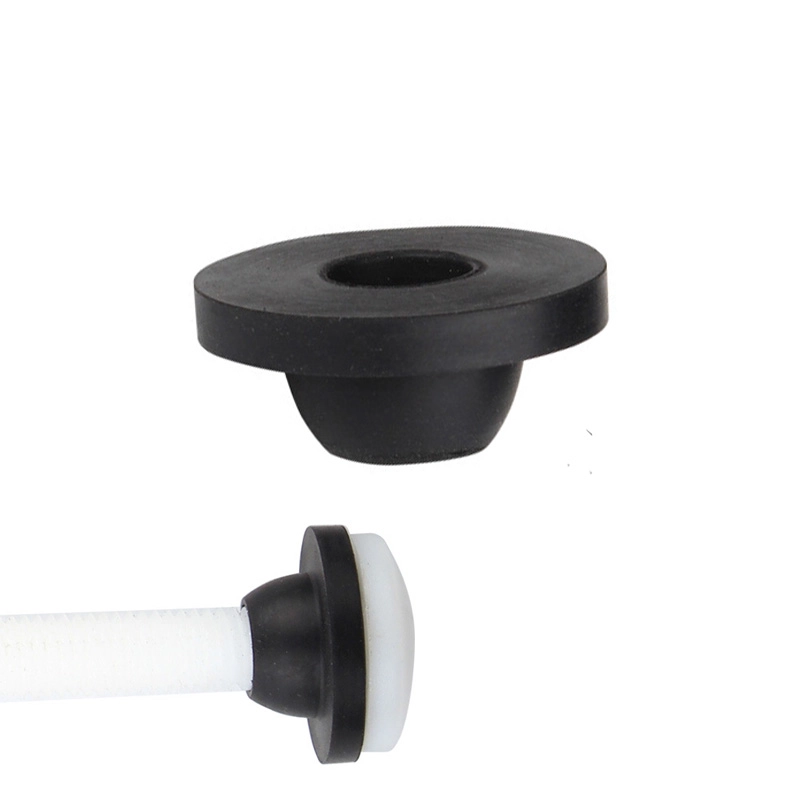 Conical Rubber Washers for Toilet Bolts Factory Wholesale