

How to seal a cracked toilet water tank?
Sealing a cracked toilet tank can be a tricky task, and whether or not it will be a permanent fix depends on the severity and location of the crack. If the crack is small and not too deep, it might be possible to repair it temporarily, but if the crack is large or runs through key structural parts, replacing the tank is usually the best option. Here’s a general guide for sealing a cracked toilet water tank:
Materials You’ll Need:
Epoxy Resin or Waterproof Sealant (preferably a two-part epoxy designed for ceramics or porcelain)
Sanding Paper (optional)
Clean Cloth or Paper Towels
Plastic Gloves (for handling epoxy)
Curing Tape or Clamp (optional for pressure application)
Step-by-Step Guide:
1. Turn Off the Water Supply
Shut off the water supply to the toilet by turning the valve (usually located behind the toilet near the floor). Then, flush the toilet to empty the tank. Use a towel or sponge to remove any remaining water from the tank.
2. Clean and Dry the Area
Thoroughly clean the cracked area on the tank with warm soapy water to remove dirt, debris, and soap scum. This ensures the adhesive bond will hold.
Dry the area completely with a clean cloth. A dry surface is crucial for effective bonding.
3. Prepare the Crack
If necessary, lightly sand the cracked area to create a rougher surface for better adhesion. Be careful not to make the crack worse.
4. Apply the Epoxy or Sealant
If you are using a two-part epoxy resin, mix it according to the manufacturer’s instructions.
Apply the epoxy directly onto the crack, pressing it into the crack to fill it completely. Make sure the epoxy covers the entire area and seeps into the crack.
If using a waterproof silicone sealant, apply a generous bead along the crack, smoothing it out with a spatula or your finger (wear gloves if you’re using your finger).
5. Press and Secure
If needed, use clamps or curing tape to hold the crack tightly together and allow the epoxy to cure.
Allow the epoxy or sealant to cure for the recommended time (usually around 24 hours) without disturbance.
6. Test for Leaks
After the epoxy or sealant has fully cured, turn the water supply back on and check the tank for leaks. If you notice any water leaking, you may need to reapply the epoxy or sealant, or consider replacing the tank if the crack is too severe.
Important Notes:
Temporary Fix: While this repair may hold up for a while, it's generally a temporary fix. Cracks in toilet tanks can worsen over time due to water pressure.
Replacement: If the crack is large or in a critical location (like the bottom of the tank), the tank should be replaced. A cracked tank can lead to more serious leaks or even complete failure, which could cause flooding in your bathroom.
Professional Help: If you are unsure about the severity of the crack, it's always a good idea to consult a plumber for advice or replacement.
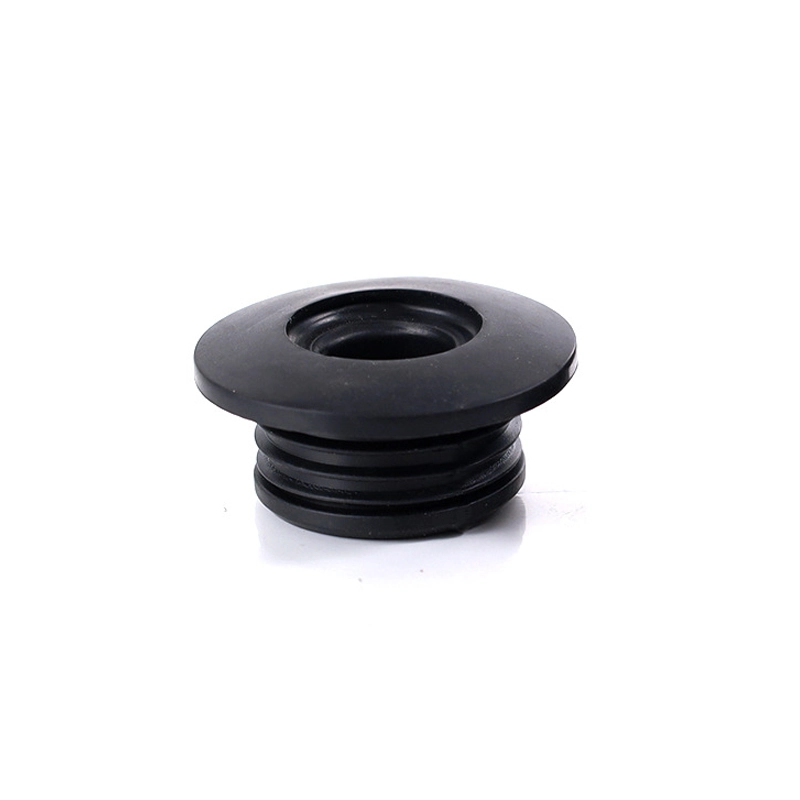 Urinal Sensor Inlet Seal Gasket Factory Replacement
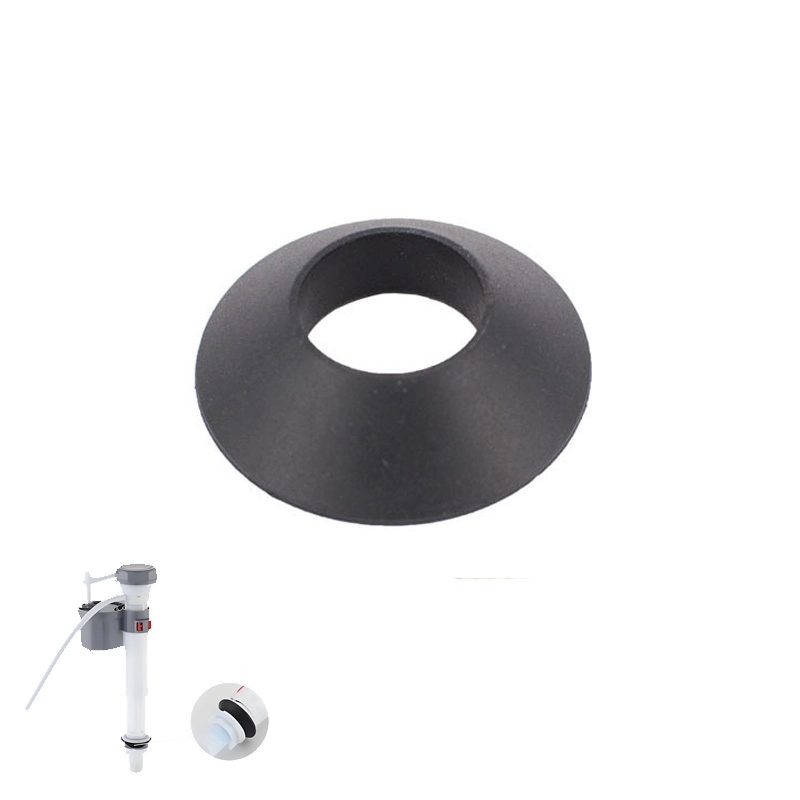 Toilet Tank Fill Valve Conical Seal Factory Replacement
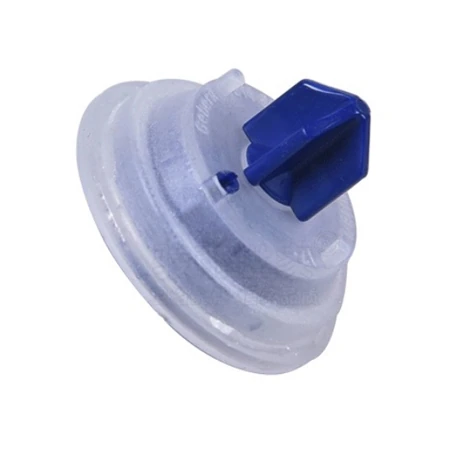 Wholesale Toilet Cistern Inlet Valve Diaphragm Washers
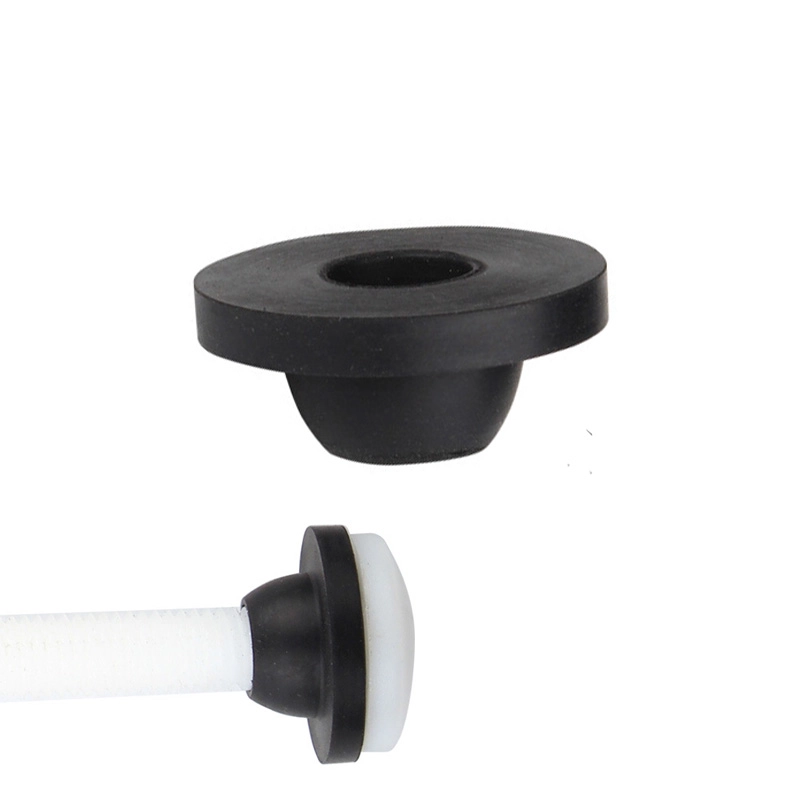 Conical Rubber Washers for Toilet Bolts Factory Wholesale