

The Best Materials for High-Quality Toilet Flush Valve Seals: What You Should Know
When it comes to ensuring the efficiency and longevity of your toilet’s flushing mechanism, the importance of a high-quality flush valve seal cannot be overstated. These seals play a crucial role in maintaining a watertight seal between the toilet tank and the flush valve, preventing leaks and ensuring smooth operation. But what makes a great toilet flush valve seal? The material it’s made from is the key factor in its performance. In this article, we’ll explore the best materials for flush valve seals and why choosing the right one matters for your toilet’s performance.
1. Rubber: The Standard for Durability and Flexibility
Rubber has long been the most common material used in toilet flush valve seals, and for good reason. It offers excellent flexibility, allowing the seal to fit snugly around the flush valve without breaking or cracking. Rubber is also resistant to wear and tear, making it an ideal choice for high-use toilets. It maintains its form over time, ensuring that the toilet flushes properly without any leaks or drips.
When selecting rubber seals, it’s important to choose those made from high-grade rubber materials such as EPDM (Ethylene Propylene Diene Monomer). EPDM rubber is known for its excellent resistance to water, heat, and UV light, making it perfect for the moisture-rich environment inside a toilet tank.
2. Silicone: High-Performance and Longevity
Silicone is another excellent material for flush valve seals, particularly for those who are looking for even better performance and durability than traditional rubber seals. While silicone tends to be more expensive, its superior heat resistance, flexibility, and long lifespan often justify the price. Silicone seals can last for years without deteriorating, even in the harsh conditions of a toilet tank.
What makes silicone stand out is its resistance to aging and ozone, which helps prevent the seal from cracking or becoming brittle over time. This is especially beneficial in high-use or industrial settings, where toilets are subjected to constant flushing and wear.
3. Teflon (PTFE): The Premium Choice for Long-Term Seals
For those who demand the highest level of performance, Teflon (PTFE) flush valve seals offer unmatched durability. PTFE seals are incredibly resistant to chemical degradation, making them perfect for toilets with high mineral content in the water. This material also provides exceptional resistance to high temperatures, ensuring that your toilet’s flushing system remains efficient for many years.
Though more commonly found in industrial applications, PTFE seals are an excellent choice for those looking for premium, long-lasting performance in their toilet plumbing systems. Its low friction properties also allow for smoother operation, ensuring that the flush valve moves freely with minimal resistance.
4. Polyurethane: Strong and Resilient
Polyurethane is another advanced material used for toilet flush valve seals, known for its exceptional strength and resilience. Polyurethane seals are particularly useful in areas with hard water, as they resist abrasion and scaling better than other materials. This makes them a solid choice for homes or buildings located in regions where mineral deposits can be a problem.
In addition to its resistance to water and wear, polyurethane is highly flexible, ensuring a tight, long-lasting seal. It’s also resistant to oils and fats, making it suitable for a variety of toilet environments.
5. Cork and Rubber Composites: Cost-Effective and Reliable
While rubber and silicone are often the go-to materials for high-quality seals, cork and rubber composites can also be an excellent, cost-effective option for many residential toilets. These composite seals are designed to provide a tight seal while still being relatively inexpensive. While they may not offer the same level of performance as silicone or PTFE, they can still serve as a reliable choice for most residential applications.
The cork material adds a natural resilience to the rubber, making it a good option for those looking for something more eco-friendly. However, composite seals may not be as durable in the long run as pure rubber or silicone.
6. Choosing the Right Seal for Your Toilet
When selecting a toilet flush valve seal, consider the following factors:
Water Quality: If you live in an area with hard water, you might want to opt for materials like polyurethane or silicone, which offer better resistance to mineral buildup.
Frequency of Use: For high-use toilets, silicone and PTFE seals are a great choice, as they offer superior durability.
Budget: If you’re looking for a budget-friendly option, rubber or cork and rubber composites may suit your needs while still offering decent performance.
Final Thoughts
The quality of the material used for your toilet flush valve seal can have a significant impact on the performance and longevity of your toilet. Whether you opt for rubber, silicone, Teflon, polyurethane, or cork and rubber composites, choosing the right material ensures your toilet flushes efficiently, prevents leaks, and lasts longer. Always consider the specific conditions of your home or facility, and select a seal that meets your needs for durability, water resistance, and cost-effectiveness.
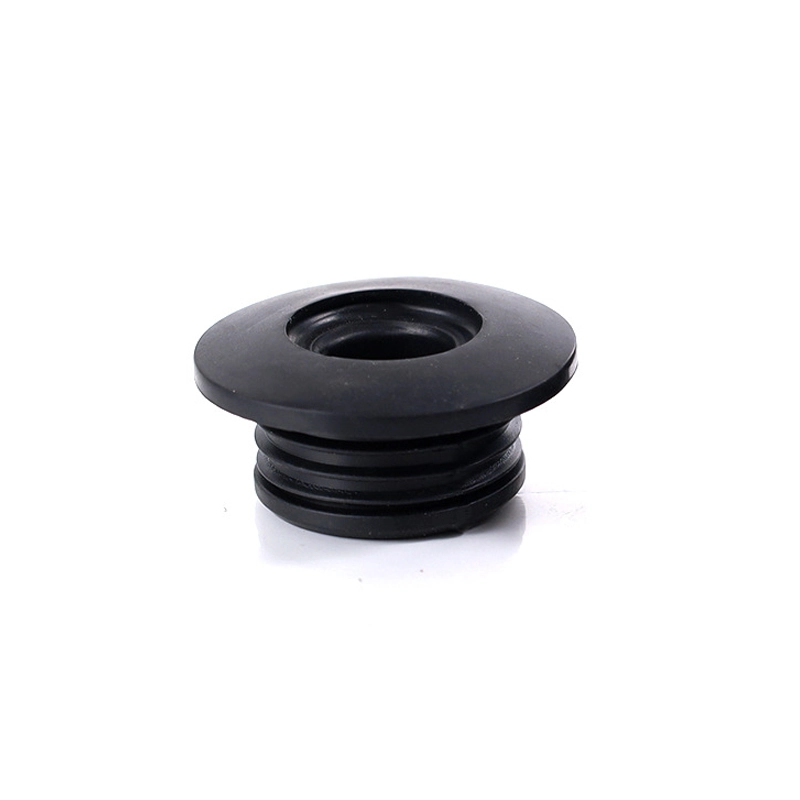 Urinal Sensor Inlet Seal Gasket Factory Replacement
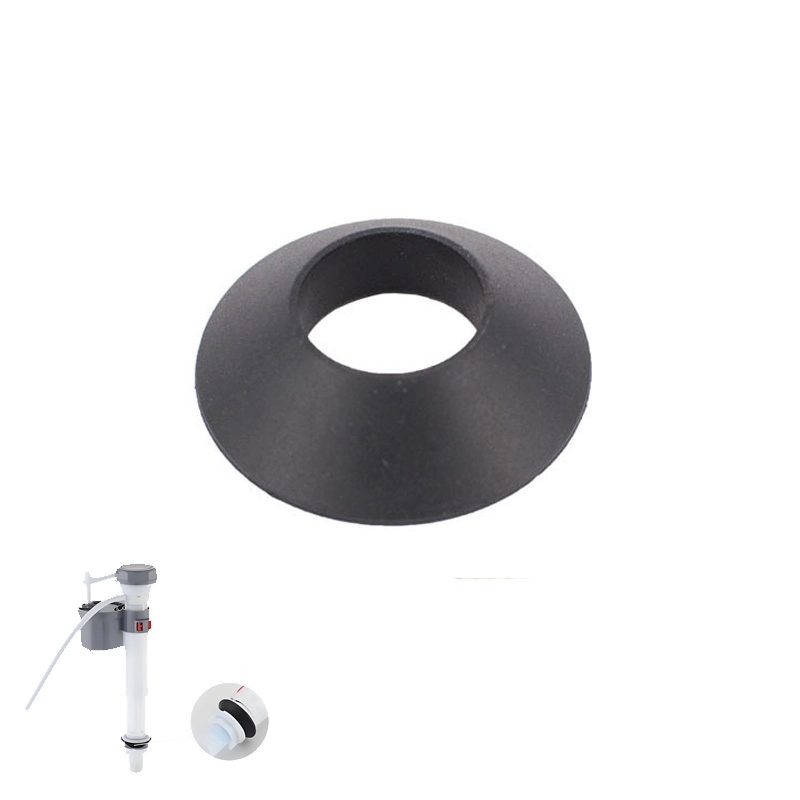 Toilet Tank Fill Valve Conical Seal Factory Replacement
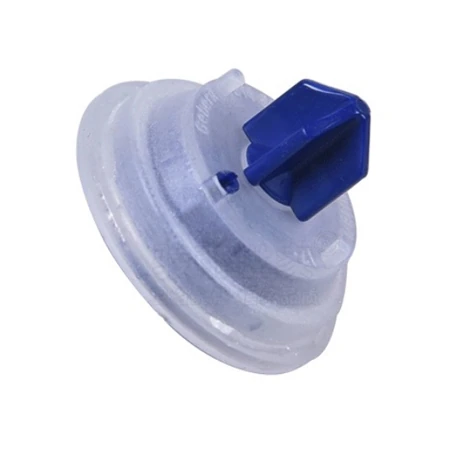 Wholesale Toilet Cistern Inlet Valve Diaphragm Washers
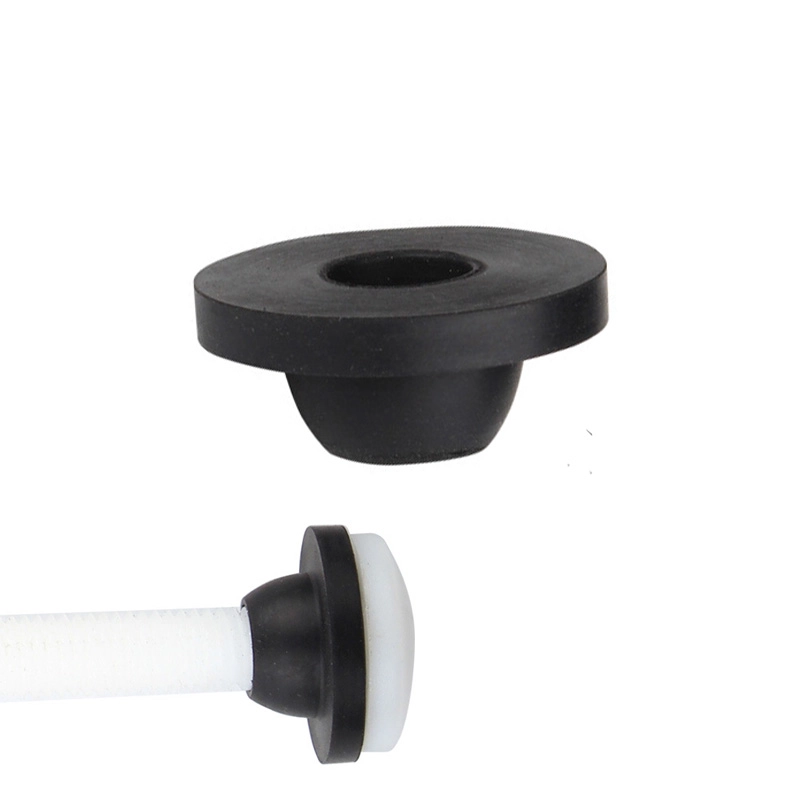 Conical Rubber Washers for Toilet Bolts Factory Wholesale