

Toilet Flush Valve Repair vs Replacement Guide
A properly functioning toilet flush valve is essential for maintaining water efficiency, preventing leaks, and ensuring reliable flushing performance. However, when problems occur, many homeowners and facility managers face a common question: Should you repair the flush valve or replace it completely?
This comprehensive guide explains the key differences between toilet flush valve repair and replacement, helping you make the most cost-effective and long-lasting decision. 🚽
What Is a Toilet Flush Valve?
The flush valve is the component inside the toilet tank that releases water into the bowl during flushing. It typically includes:
Flush valve body
Flapper or seal ring
Overflow tube
Tank-to-bowl gasket
If any of these parts fail, you may experience running water, weak flushes, leaks, or higher water bills. 💧
Common Signs Your Flush Valve Needs Attention
Before deciding whether to repair or replace, identify the symptoms:
🚨 Warning Signs
Continuous running toilet
Water leaking into the bowl
Weak or incomplete flush
Tank not refilling properly
Visible cracks or mineral buildup
Frequent need to jiggle the handle
Early detection helps reduce water waste and repair costs.
Flush Valve Repair: When It Makes Sense
Repairing a toilet flush valve usually involves replacing small internal components rather than the entire assembly.
✅ Best Situations for Repair
The flush valve body is still in good condition
Only the flapper or seal is worn out
Minor leaks or flushing inefficiency
Toilet is relatively new
Budget-friendly maintenance is preferred
🔧 Typical Repair Tasks
Replacing the flush valve seal or flapper
Adjusting the chain or handle mechanism
Cleaning mineral deposits
Tightening mounting nuts
💡 Benefits of Repair
Lower cost
Faster installation
Minimal tools required
Extends lifespan of existing toilet
⚠️ Limitations
May only provide temporary results
Older toilets may develop recurring issues
Hidden cracks or internal wear may remain
Flush Valve Replacement: When It’s the Better Option
Full replacement involves removing the toilet tank and installing a new flush valve assembly.
✅ Best Situations for Replacement
Cracked or damaged flush valve body
Severe or repeated leaks
Toilet is over 8–10 years old
Upgrading to water-saving performance
Compatibility issues with repair parts
🔧 Replacement Process Overview
Shut off the water supply
Drain the tank completely
Remove tank-to-bowl bolts
Install a new flush valve kit
Reassemble and test
🌟 Benefits of Replacement
Long-term reliability
Improved flushing efficiency
Reduced maintenance frequency
Better compatibility with modern toilets
⚠️ Considerations
Higher upfront cost
Requires more time and skill
May need additional replacement parts
Repair vs Replacement: Quick Comparison
| Factor | Repair | Replacement |
|---|---|---|
| Cost | Low | Moderate |
| Time Required | Short | Longer |
| Skill Level | Beginner-friendly | Intermediate |
| Longevity | Short- to mid-term | Long-term solution |
| Best for | Minor issues | Major damage or aging toilets |
Cost Comparison
Average estimated costs (DIY):
Flush valve seal or flapper: $5–$20
Complete flush valve kit: $20–$50
Professional plumber service: $100–$300
Repair is typically more economical, but replacement often delivers better value over time. 💰
Pro Tips for Better Flush Valve Performance
✔ Choose high-quality rubber or silicone seals
✔ Clean tank components annually
✔ Avoid harsh chemical cleaners inside the tank
✔ Check water pressure and fill valve adjustment
✔ Replace worn parts promptly
Preventive maintenance can extend the life of your flush valve and improve toilet efficiency.
Final Decision: Repair or Replace?
Choose repair if:
The toilet is relatively new
The problem is minor and localized
You need a quick, budget-friendly fix
Choose replacement if:
Problems occur repeatedly
Structural damage is present
You want improved performance and durability
Making the right choice helps reduce water waste, prevent unexpected failures, and maintain household comfort. 👍
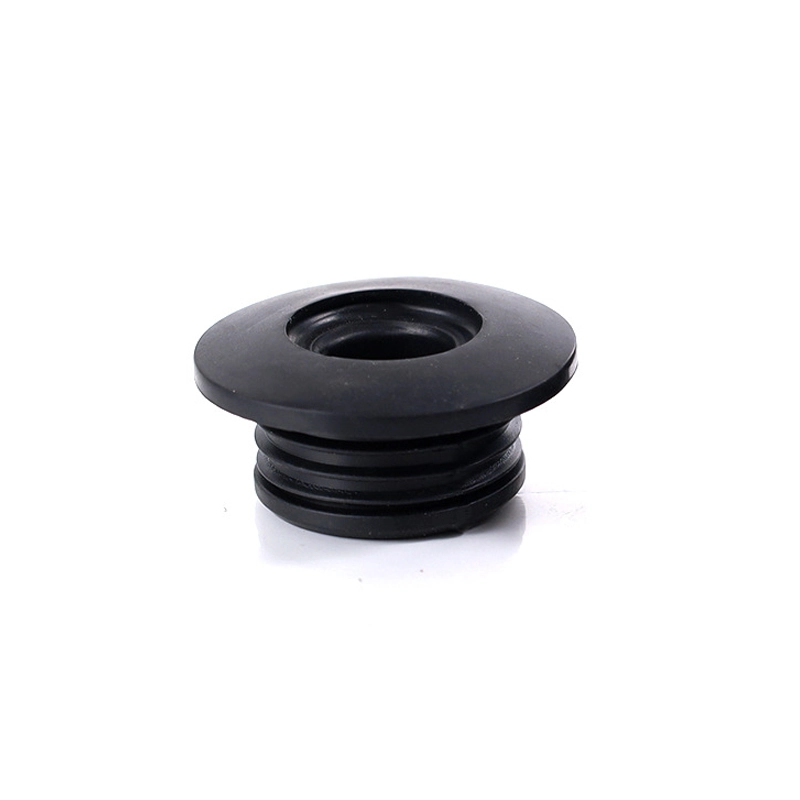 Urinal Sensor Inlet Seal Gasket Factory Replacement
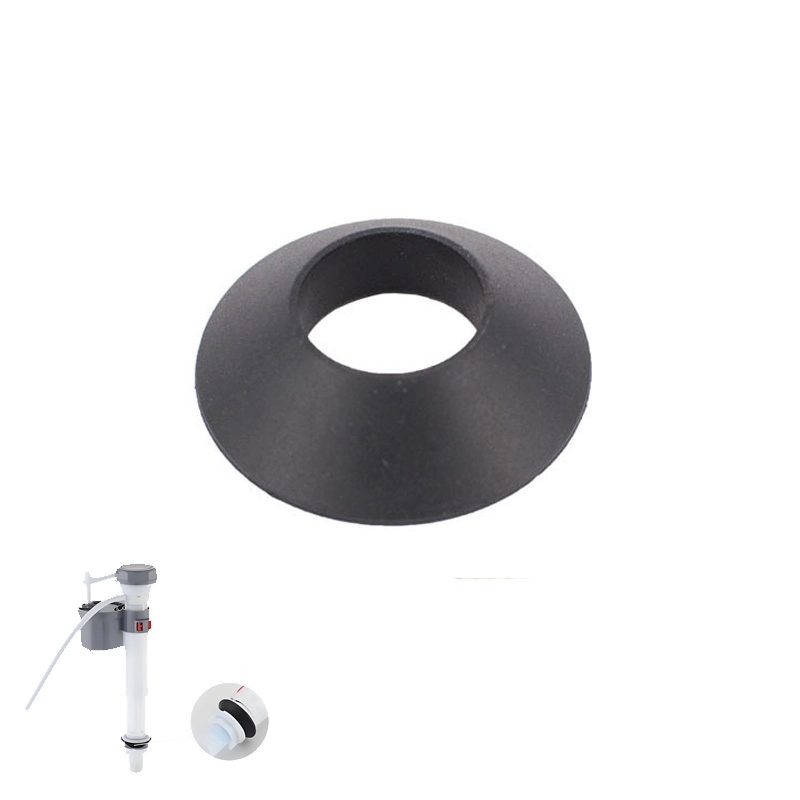 Toilet Tank Fill Valve Conical Seal Factory Replacement
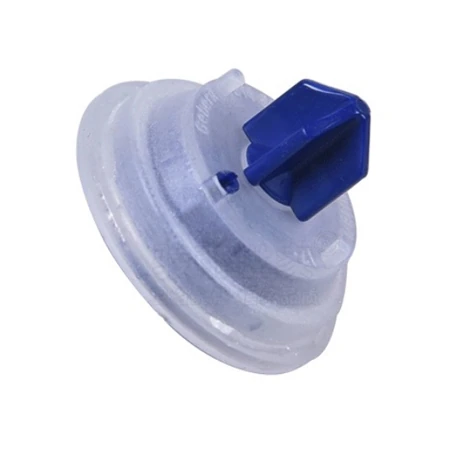 Wholesale Toilet Cistern Inlet Valve Diaphragm Washers
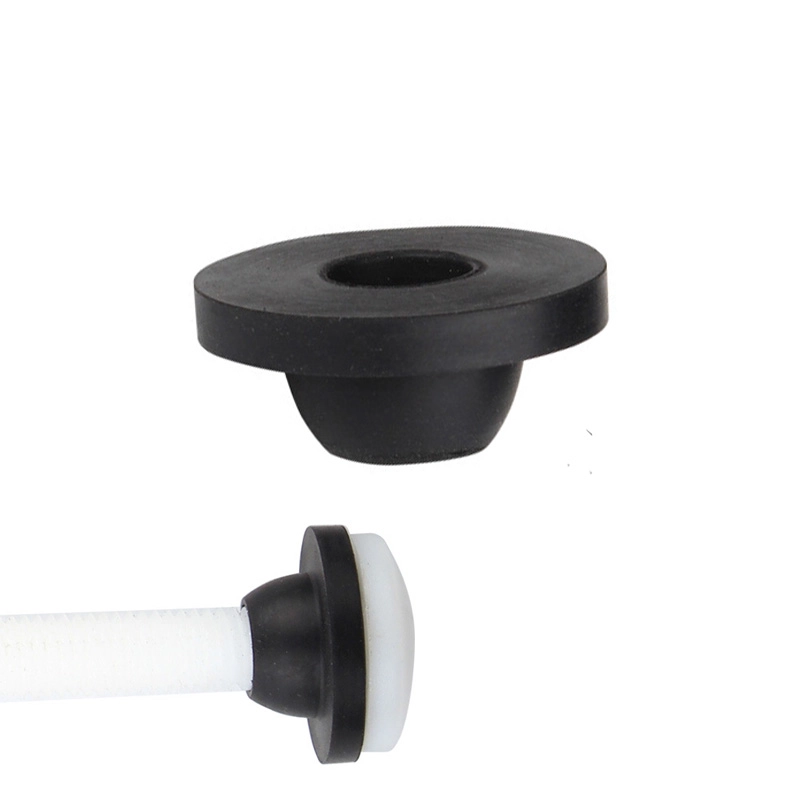 Conical Rubber Washers for Toilet Bolts Factory Wholesale