

Choosing the Right Silicone Toilet Flush Valve Seal for Durability & Leak Prevention
A leaking toilet is more than just an inconvenience—it can waste hundreds of gallons of water and increase utility bills. One of the most common causes is a worn or incompatible flush valve seal.
Choosing the right silicone toilet flush valve seal is essential for ensuring long-term durability, leak prevention, and efficient flushing performance. In this guide, we’ll break down how to select the best seal based on real-world usage factors, helping homeowners and plumbers make informed decisions.
Why Choose Silicone Flush Valve Seals Over Rubber?
Silicone has become the preferred material in modern toilet repair components—and for good reason.
Key Advantages of Silicone Seals:
Superior lifespan: Lasts 2–3x longer than standard rubber
Temperature resistance: Performs well in both hot and cold water conditions
Chemical resistance: Withstands bleach, chlorine, and cleaning agents
Flexibility retention: Does not harden or crack over time
👉 Unlike rubber seals, which degrade quickly in chemically treated water, silicone maintains its sealing performance even after prolonged exposure.
Key Factors When Choosing a Silicone Flush Valve Seal
1. Material Quality Matters
Not all silicone seals offer the same durability.
What to look for:
100% pure silicone (avoid blended fillers)
Smooth, dense surface without air bubbles
Manufacturer specifications or certifications
Low-grade silicone may feel similar at first but tends to deform or fail prematurely.
2. Ensure Compatibility with Your Toilet Model
Flush valve seals are not universally interchangeable.
Important checks:
Valve size (commonly 2-inch or 3-inch)
Brand compatibility (e.g., American Standard, Kohler, TOTO)
Seal shape and mounting style
👉 Using the wrong size is one of the main causes of persistent leaks after replacement.
3. Resistance to Chemicals and Hard Water
Toilets are regularly exposed to:
Hard water minerals
Cleaning tablets
Disinfectants (bleach-based)
High-quality silicone seals resist:
Corrosion
Swelling
Surface breakdown
This is especially important in areas with hard water conditions.
4. Ease of Installation
A well-designed seal should allow for quick DIY installation without special tools.
Look for:
Flexible lip design for tight sealing
Precise fit to avoid adjustments
Drop-in or snap-on installation
👉 Poorly fitted seals often lead to continuous running toilets.
5. Leak Prevention Performance
The primary job of a flush valve seal is to create a watertight barrier.
High-performance silicone seals:
Maintain consistent pressure against the valve seat
Prevent slow leaks into the bowl
Improve water efficiency
Benefits of High-Quality Silicone Flush Valve Seals
Long-Term Durability
Silicone maintains elasticity over time, reducing the need for frequent replacements.
Cost Savings Over Time
While initial costs may be higher, fewer replacements and reduced water waste result in lower long-term expenses.
Eco-Friendly Choice
Silicone is:
More stable than traditional plastics
Less prone to releasing harmful degradation by-products
Suitable for sustainable plumbing solutions
Common Mistakes to Avoid
❌ Choosing based on price alone
❌ Ignoring valve size compatibility
❌ Using rubber seals in high-chemical environments
❌ Improper installation leading to leaks
Expert Tip
Professional plumbers recommend replacing the flush valve seal every 3–5 years, even if no visible leak is present, to prevent silent water loss and maintain optimal performance.
Conclusion
Selecting the right silicone toilet flush valve seal is a small decision that has a big impact on your toilet’s performance and longevity. By focusing on material quality, compatibility, and resistance to real-world conditions, you can ensure a leak-free and efficient system for years to come.
Investing in a high-quality silicone seal not only improves durability but also saves water, reduces maintenance, and enhances overall reliability.
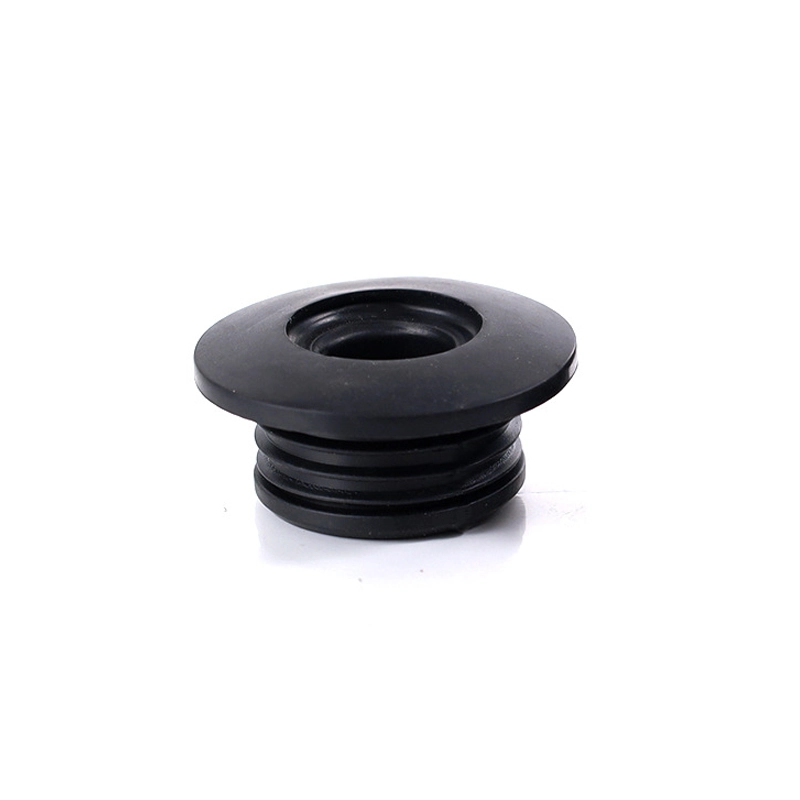 Urinal Sensor Inlet Seal Gasket Factory Replacement
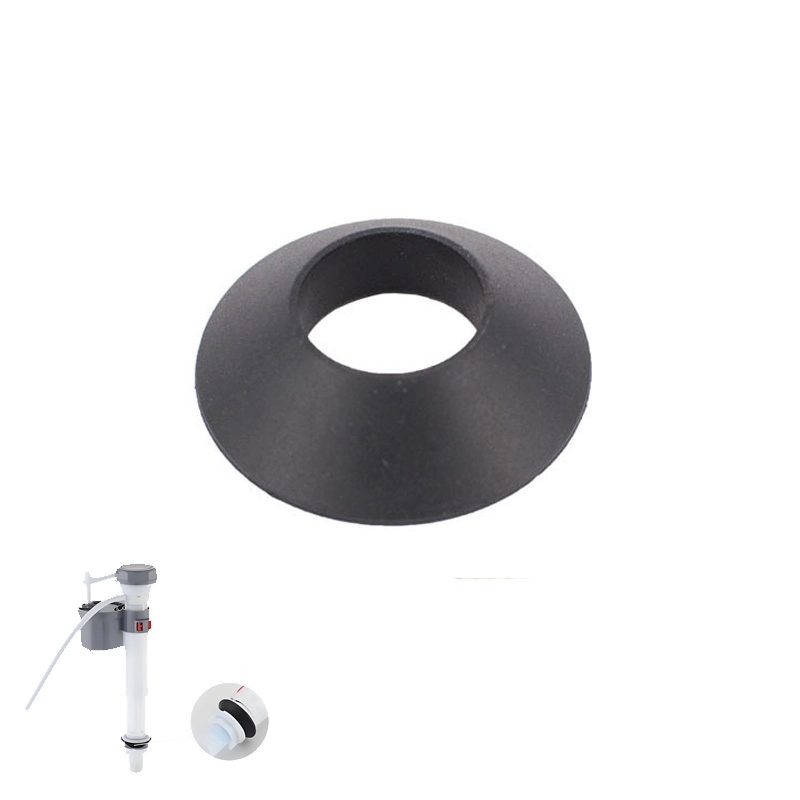 Toilet Tank Fill Valve Conical Seal Factory Replacement
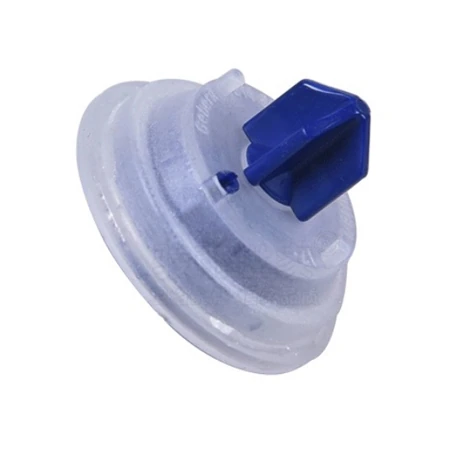 Wholesale Toilet Cistern Inlet Valve Diaphragm Washers
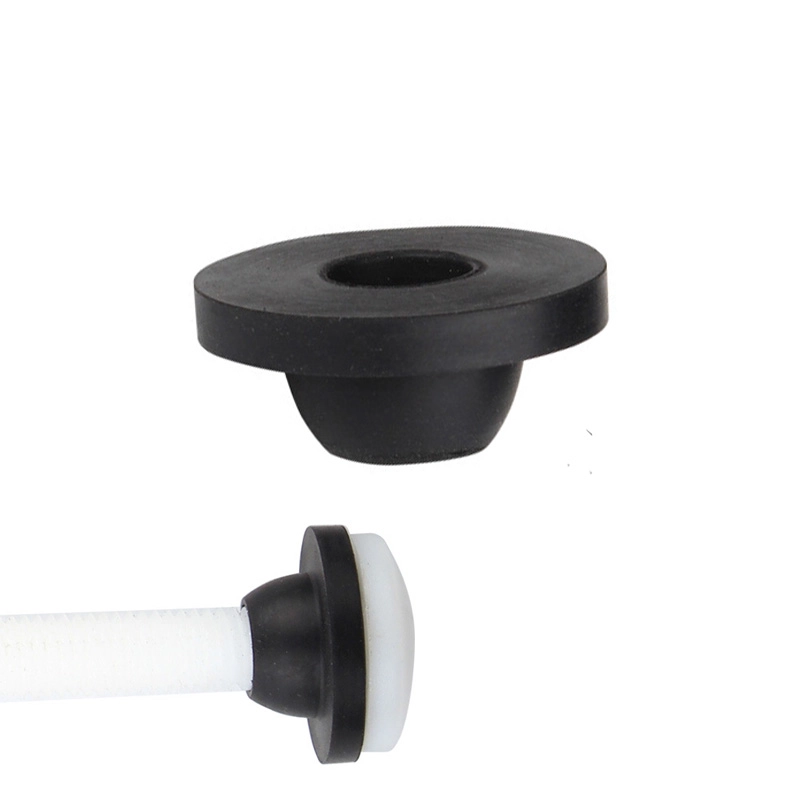 Conical Rubber Washers for Toilet Bolts Factory Wholesale