

Prevent Toilet Leaks with High-Quality Fill Valve Seals (Durable & Efficient Solutions)
Toilet leaks are one of the most common plumbing problems in both homes and commercial buildings—and they can quietly waste hundreds of gallons of water every month.
In many cases, the issue isn’t a cracked tank or poor installation. It often comes down to a small but critical component: the toilet tank fill valve seal.
Choosing a high-quality, reliable seal is one of the simplest ways to prevent leaks, improve water efficiency, and extend the life of your toilet system.
What Does a Toilet Tank Fill Valve Seal Do?
The fill valve seal controls how water enters your toilet tank. Once the tank reaches the correct water level, the seal ensures the valve shuts off completely.
When the seal is working properly, your toilet:
Fills efficiently
Stops running at the right level
Prevents unnecessary water loss
But when the seal wears out or fails, even slightly, it can cause continuous water flow and hidden leaks.
Signs Your Fill Valve Seal Is Failing
A worn or low-quality seal can lead to several common issues:
🚽 Constant running water
💧 Slow, silent leaks into the bowl
📈 Higher water bills
⚙️ Inconsistent or weak flushing performance
🔁 Frequent tank refilling
Even a small sealing issue can waste significant water over time.
Why Fill Valve Seals Fail
Fill valve seals operate under constant stress—water pressure, chemicals, and temperature changes all take a toll.
The most common causes of failure include:
1. Low-Quality Materials
Cheap rubber seals tend to harden, crack, or deform quickly.
2. Chemical Exposure
Chlorine and minerals in hard water can break down standard rubber compounds.
3. Poor Manufacturing Precision
Inconsistent molding or incorrect sizing leads to improper sealing.
4. Natural Aging
Over time, seals lose elasticity and no longer create a tight seal.
Benefits of High-Quality Fill Valve Seals
Upgrading to premium seals offers both short-term and long-term advantages:
✅ Leak Prevention
A tight, reliable seal eliminates unwanted water flow.
✅ Improved Water Efficiency
Reduces water waste and supports eco-friendly standards.
✅ Longer Lifespan
Durable materials resist wear, chemicals, and deformation.
✅ Consistent Performance
Maintains stable sealing under varying water pressure.
✅ Lower Maintenance Costs
Fewer replacements mean fewer service calls and complaints.
For manufacturers and suppliers, better seals also mean better product reliability and customer satisfaction.
Best Materials for Toilet Fill Valve Seals
Choosing the right material is key to performance and durability.
EPDM Rubber
Excellent resistance to water, chlorine, and aging
Cost-effective and widely used
Ideal for most residential applications
Silicone Rubber
Superior flexibility and temperature resistance
Longer lifespan in extreme conditions
Great for premium or high-end toilet systems
Custom Rubber Compounds
Engineered for specific valve designs
Adjustable hardness and elasticity
Suitable for specialized or proprietary systems
Why Custom Fill Valve Seals Matter for OEMs
Standard seals don’t always meet modern design requirements—especially for advanced or water-saving toilets.
Custom solutions allow manufacturers to:
Match exact dimensions and tolerances
Improve sealing performance and durability
Ensure consistency in mass production
Support private-label and branded systems
For OEMs, this directly impacts product quality, brand reputation, and long-term customer trust.
Expert Tip: Don’t Overlook Small Components
In plumbing systems, small parts often make the biggest difference. A high-quality fill valve seal may cost slightly more upfront—but it can prevent costly water damage, reduce returns, and improve overall user satisfaction.
Conclusion
Preventing toilet leaks doesn’t always require major repairs. In many cases, it starts with upgrading a single component—the toilet tank fill valve seal.
By choosing durable materials, precision manufacturing, and reliable designs, you can significantly improve toilet performance, reduce water waste, and extend system lifespan.
Whether you're a manufacturer, distributor, or plumbing professional, investing in high-quality seals is a smart, cost-effective decision.
FAQ
How long does a toilet fill valve seal last?
Most standard seals last 3–5 years, but high-quality materials like EPDM or silicone can last significantly longer.
Can a faulty fill valve seal cause a running toilet?
Yes, it’s one of the most common causes of continuous running water.
Are all fill valve seals universal?
No, sizes and designs vary. Always match the seal to your specific valve model or choose a custom solution.
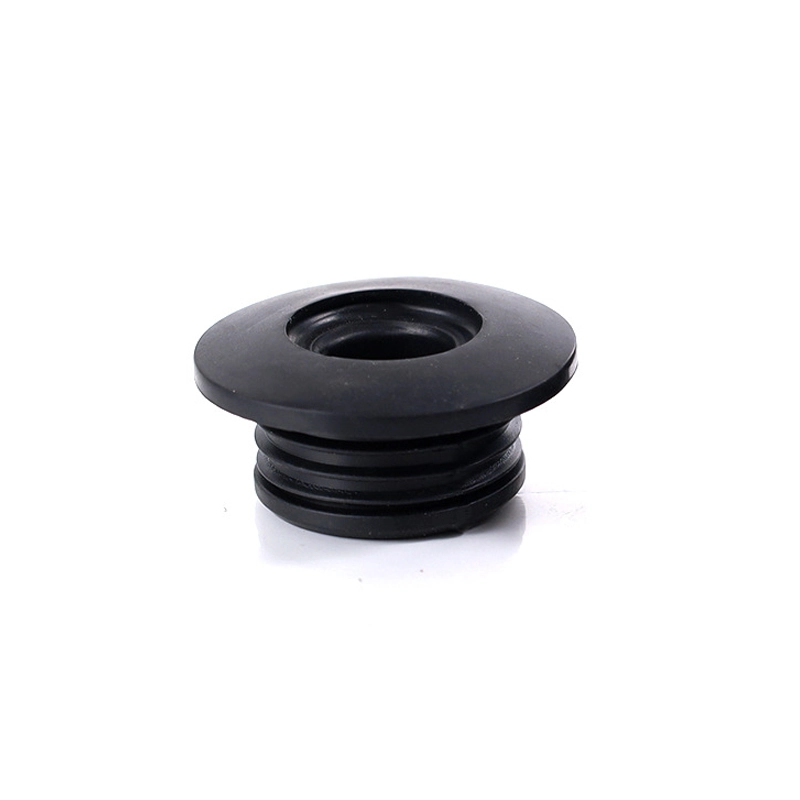 Urinal Sensor Inlet Seal Gasket Factory Replacement
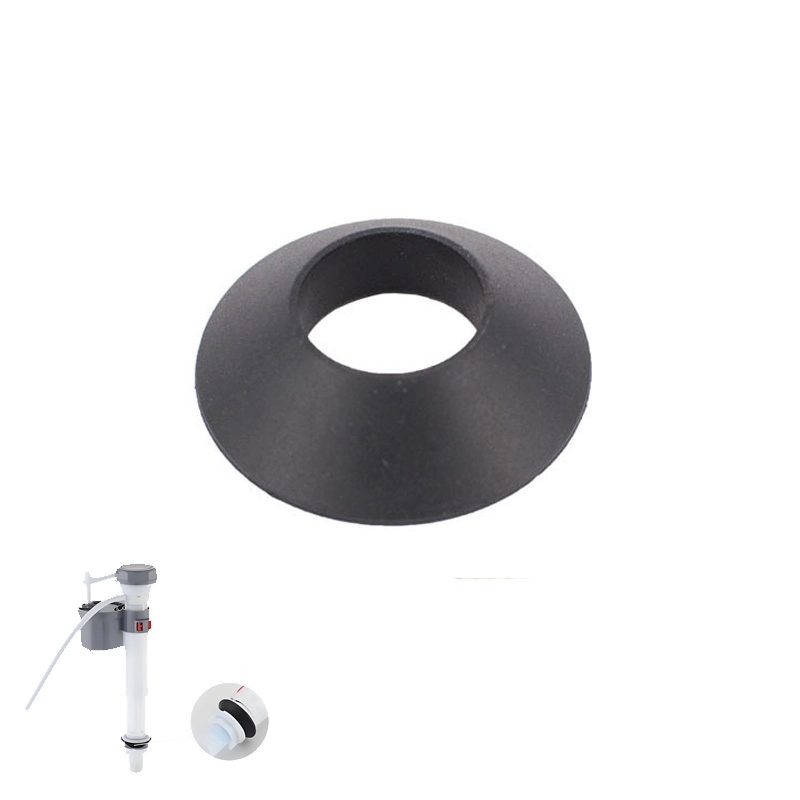 Toilet Tank Fill Valve Conical Seal Factory Replacement
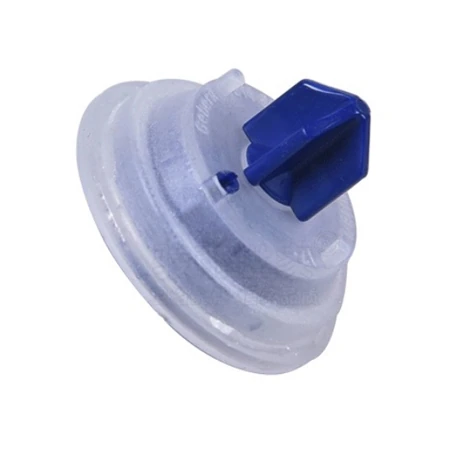 Wholesale Toilet Cistern Inlet Valve Diaphragm Washers
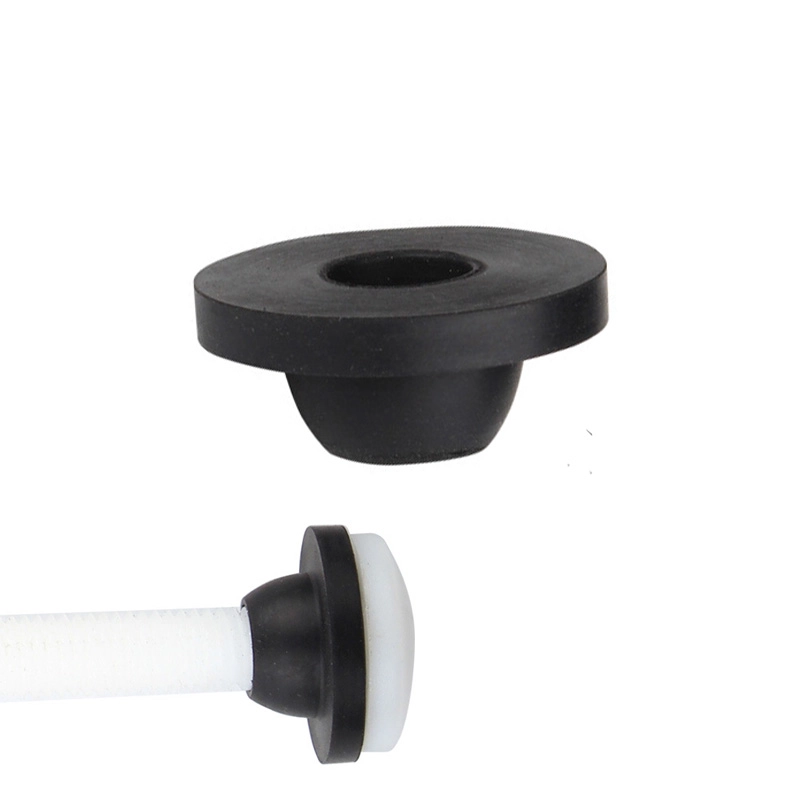 Conical Rubber Washers for Toilet Bolts Factory Wholesale