

Is Your Toilet Flush Valve Seal Ready for Replacement? Signs & Fix Guide
A toilet that keeps running, flushes weakly, or silently leaks water isn’t just annoying—it’s usually a warning sign. In many cases, the real problem is a worn-out toilet flush valve seal.
The good news? This is one of the easiest and most affordable fixes in home plumbing—and catching it early can save you money on your water bill.
What Is a Toilet Flush Valve Seal?
The flush valve seal is a small but essential component located at the bottom of your toilet tank. Its job is simple:
Create a watertight seal between the tank and bowl
Lift when you flush to release water
Close immediately to stop water flow
Over time, constant exposure to water, minerals, and cleaning chemicals causes the seal to wear down, lose flexibility, or crack.
6 Warning Signs Your Flush Valve Seal Needs Replacement
If you’re noticing any of these issues, your toilet seal is likely failing:
1. Toilet Keeps Running
If your toilet continues running long after flushing, water is likely leaking past the seal.
2. Phantom Flush (Random Refilling)
Does your toilet refill on its own? That’s a classic sign of a slow leak from the tank to the bowl.
3. Weak or Incomplete Flush
A worn seal can prevent proper water release, reducing flushing power.
4. Higher Water Bills
A leaking seal can waste hundreds of gallons per month, increasing your utility costs.
5. Water Trickling Into the Bowl
Even without flushing, you may see or hear water constantly moving.
6. Visible Damage
Check for:
Cracks
Warping
Hardening
Mineral buildup
If you see any of these, replacement is overdue.
How Long Does a Flush Valve Seal Last?
Most toilet flush valve seals last:
3–5 years in residential homes
1–3 years in high-use or commercial settings
Factors that shorten lifespan:
Hard water (mineral deposits)
Frequent use
Harsh cleaning chemicals
Why Replacing the Seal Is Important
Ignoring a worn seal can lead to more than just noise.
Benefits of Replacing It Early:
✅ Stops water waste instantly
✅ Restores strong flushing performance
✅ Prevents damage to other tank components
✅ Lowers monthly water bills
✅ Extends toilet lifespan
This is a low-cost repair with high ROI—often under $10 but saves much more over time.
How to Choose the Right Replacement Flush Valve Seal
Not all seals are created equal. Choosing the right one ensures long-term performance.
1. Material Matters
Silicone seals: Longer lifespan, resistant to chemicals and hard water
Rubber seals: Lower cost, but may wear faster
2. Compatibility
Make sure the seal matches:
Your toilet brand
Flush valve size (commonly 2-inch or 3-inch)
3. Manufacturing Quality
Look for:
Precision-molded design
Smooth sealing surface
Reliable fit (OEM or equivalent quality)
For businesses, sourcing from a trusted flush valve seal manufacturer ensures consistent quality, especially for wholesale or custom orders.
When Should You Replace It?
You should replace your flush valve seal if:
Your toilet shows any of the warning signs above
The seal is over 3 years old
You’re already doing other tank repairs
Pro tip: Preventive replacement during maintenance can help you avoid sudden failures.
Quick DIY Tip: Test Your Seal in 30 Seconds
Try this simple test:
Add a few drops of food coloring into the tank
Wait 15–20 minutes without flushing
Check the bowl
👉 If color appears in the bowl, your seal is leaking.
Final Thoughts
Your toilet flush valve seal might be small, but it plays a huge role in your bathroom’s efficiency. If your toilet is running, leaking, or not flushing properly, replacing the seal is often the fastest and most cost-effective solution.
Fix it early—and you’ll save water, money, and frustration.
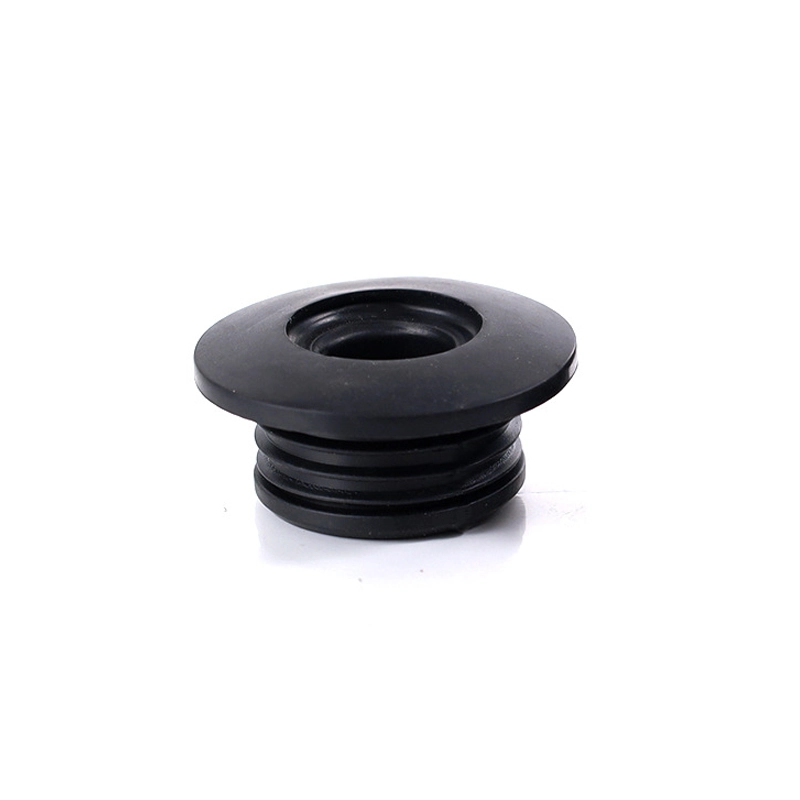 Urinal Sensor Inlet Seal Gasket Factory Replacement
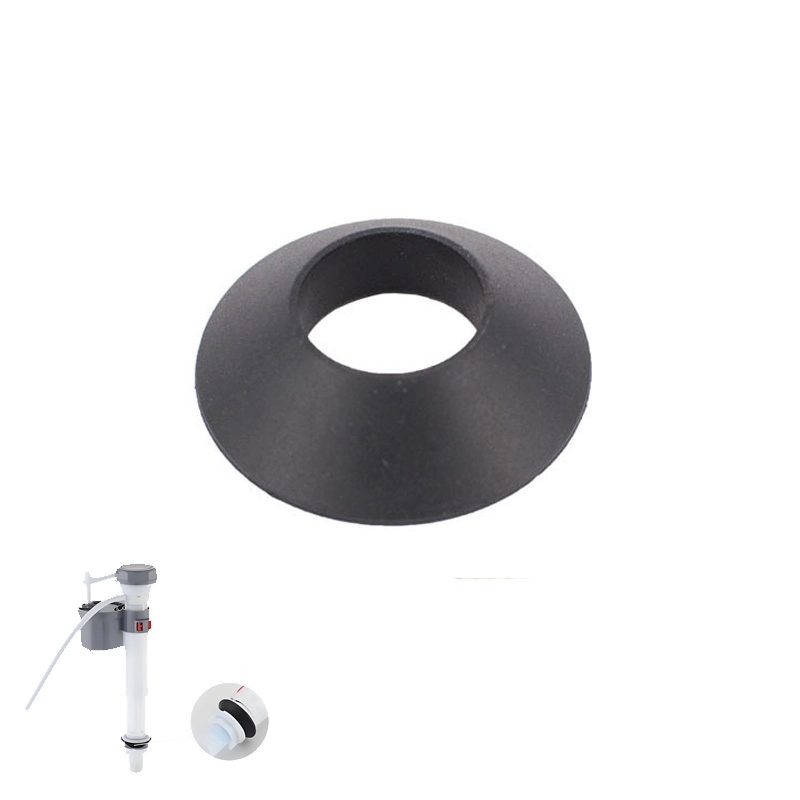 Toilet Tank Fill Valve Conical Seal Factory Replacement
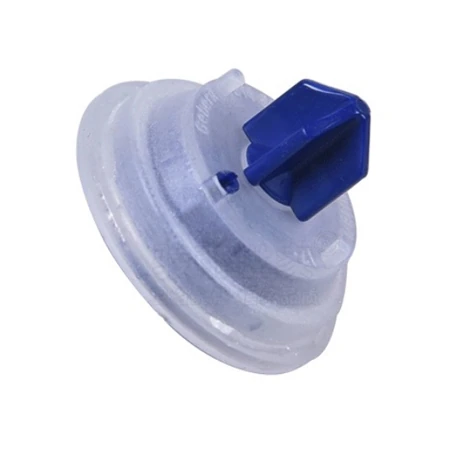 Wholesale Toilet Cistern Inlet Valve Diaphragm Washers
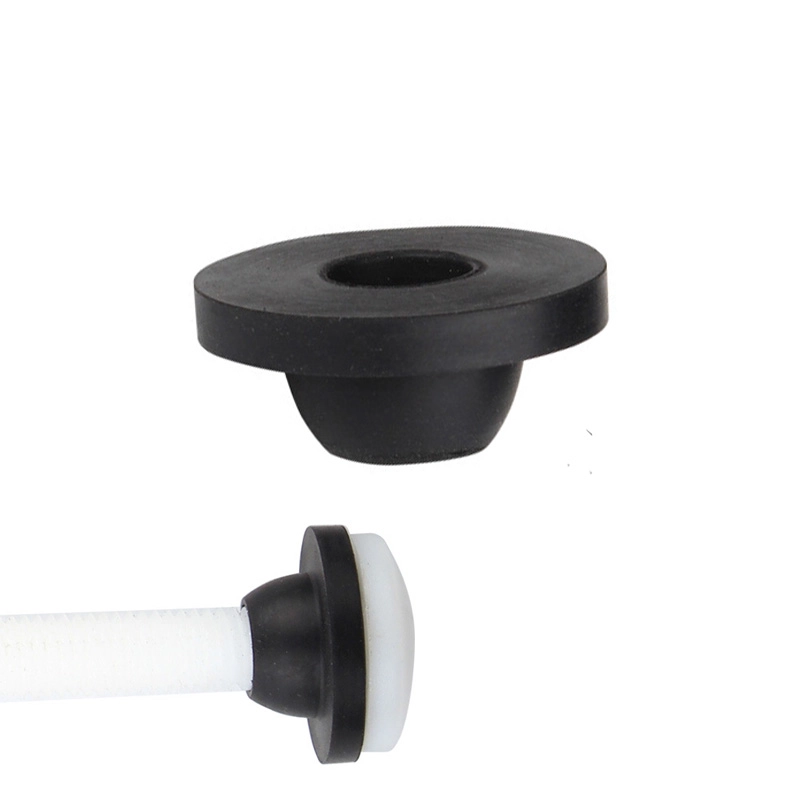 Conical Rubber Washers for Toilet Bolts Factory Wholesale