

American Standard Flush Valve Seal Replacement: Beginner DIY Guide (2026)
If your toilet keeps running, has a weak flush, or randomly refills, there’s a good chance the flush valve seal is worn out. The good news? You don’t need to be a plumber to fix it.
In this beginner-friendly guide, we’ll show you exactly how to replace an American Standard flush valve seal step by step—saving water, lowering your bill, and restoring your toilet’s performance.
What Is a Flush Valve Seal?
The flush valve seal is a rubber or silicone gasket located at the base of the flush valve inside your toilet tank.
Its job is simple:
Seal water inside the tank
Release water into the bowl when you flush
Close tightly afterward to prevent leaks
Over time, exposure to water, minerals, and cleaning chemicals causes the seal to:
Crack
Warp
Lose flexibility
When that happens, water slowly leaks into the bowl—often without you noticing.
Signs You Need to Replace the Flush Valve Seal
Here are the most common warning signs:
🚽 Toilet keeps running after flushing
💧 Water trickling into the bowl
🔁 Tank refills randomly
⚠️ Weak or incomplete flush
💵 Higher-than-normal water bill
If you’re seeing one or more of these, replacing the seal is usually the quickest fix.
Why Replacing the Seal Matters
1. Save Water (and Money)
A leaking toilet can waste hundreds of gallons per month.
2. Improve Flush Performance
A tight seal ensures strong, consistent flushing.
3. Prevent Bigger Repairs
Ignoring a small leak can lead to more expensive issues later.
Tools & Materials You’ll Need
Before you start, gather these:
Adjustable wrench or pliers
Sponge or towel
Bucket (optional)
Replacement flush valve seal (correct size for your model)
Screwdriver
Silicone lubricant (optional)
👉 Pro Tip: Always match the seal to your exact American Standard model for best results.
Step-by-Step: How to Replace the Flush Valve Seal
Step 1: Turn Off the Water
Shut off the water supply valve behind the toilet. Flush to empty the tank, then soak up remaining water with a sponge.
Step 2: Remove the Tank Lid
Carefully lift off the lid and place it somewhere safe.
Step 3: Disconnect the Water Supply Line
Use pliers or a wrench to loosen the supply line under the tank. Keep a towel handy for drips.
Step 4: Remove the Tank (If Required)
Some models require removing the tank:
Unscrew the bolts underneath
Lift the tank carefully
Place it on a soft surface
Step 5: Access the Flush Valve
Locate the flush valve assembly inside the tank. Remove any retaining nuts or fasteners holding it in place.
Step 6: Remove the Old Seal
Gently take off the worn seal. If it’s stuck or brittle, carefully pry it loose.
👉 Clean the seating surface before installing the new seal—this ensures a proper fit.
Step 7: Install the New Seal
Place the new seal evenly onto the flush valve.
Make sure it sits flat
Apply a small amount of silicone lubricant if needed
Avoid over-lubricating
Step 8: Reassemble the Toilet
Reinstall the flush valve
Reattach the tank (if removed)
Reconnect the water supply line
Tighten everything securely—but don’t overtighten.
Step 9: Turn Water Back On & Test
Turn the water back on and let the tank fill.
Test flush and check for:
Smooth flushing
No leaks
No running water
✅ If everything looks good—you’re done!
Common Mistakes to Avoid
❌ Using the wrong seal size
❌ Skipping cleaning before installation
❌ Overtightening bolts (can crack the tank)
❌ Ignoring other worn parts (like flapper or fill valve)
Extra Maintenance Tips
To extend the life of your new seal:
Avoid harsh chemical cleaners inside the tank
Inspect components every 6–12 months
Replace worn parts early
When to Call a Plumber
You may need professional help if:
The toilet still leaks after replacement
You notice cracks in the tank
The flush valve assembly is damaged
Conclusion
Replacing an American Standard flush valve seal is one of the easiest and most cost-effective toilet repairs you can do yourself.
With just a few tools and about 30–60 minutes, you can:
Stop leaks
Improve flushing performance
Save money on your water bill
If your toilet is running, don’t ignore it—this simple fix can make a big difference.
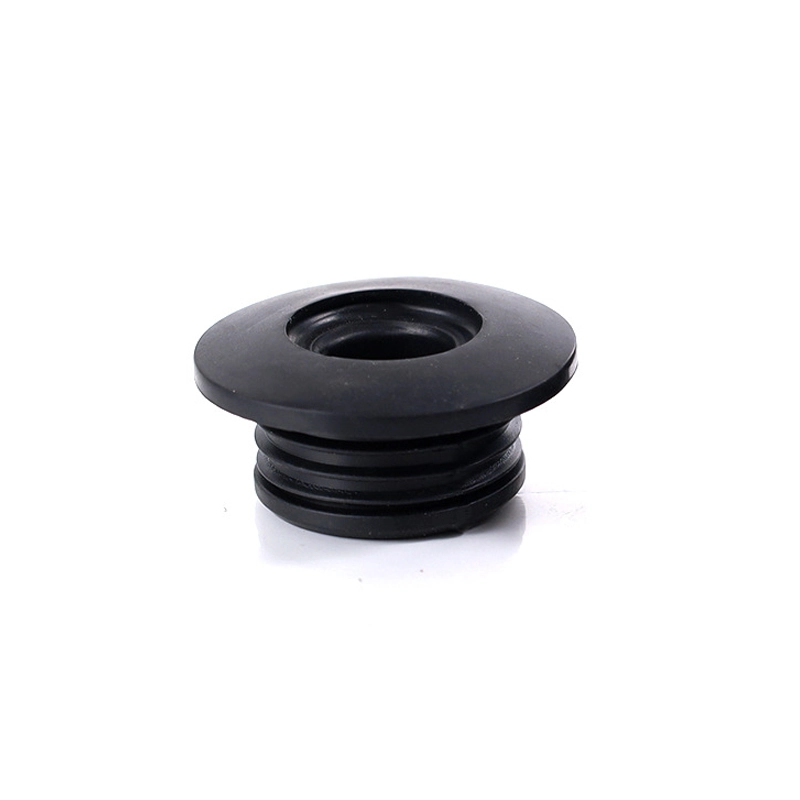 Urinal Sensor Inlet Seal Gasket Factory Replacement
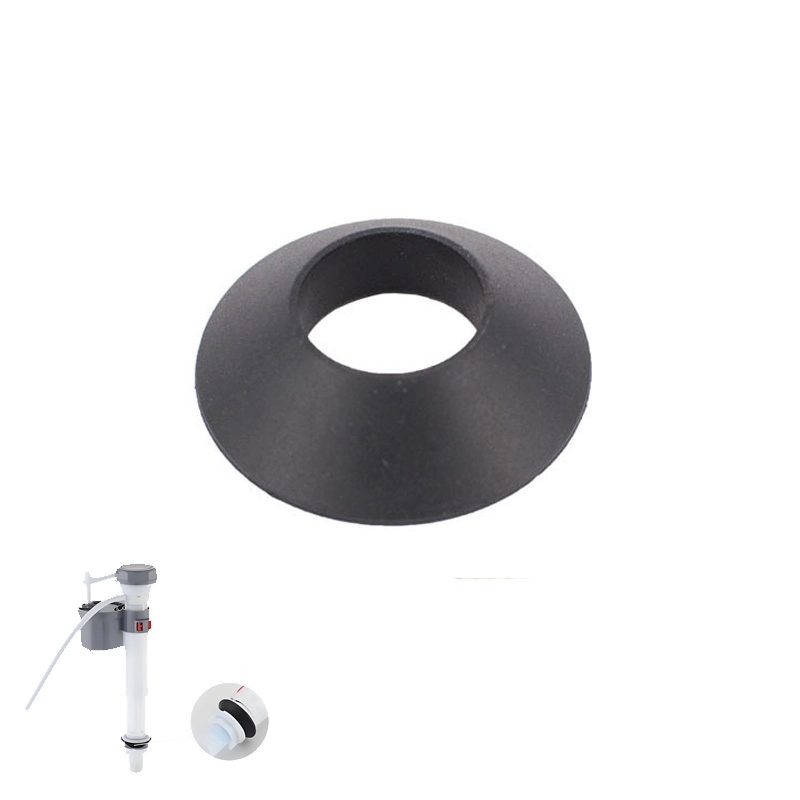 Toilet Tank Fill Valve Conical Seal Factory Replacement
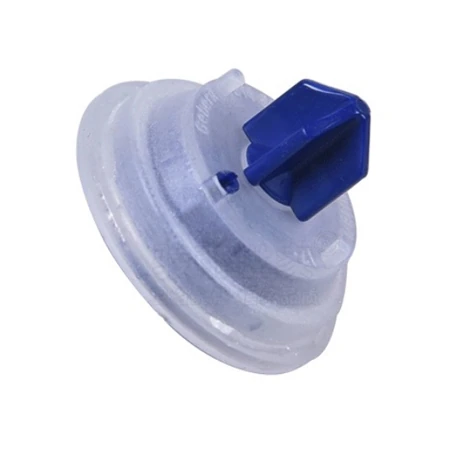 Wholesale Toilet Cistern Inlet Valve Diaphragm Washers
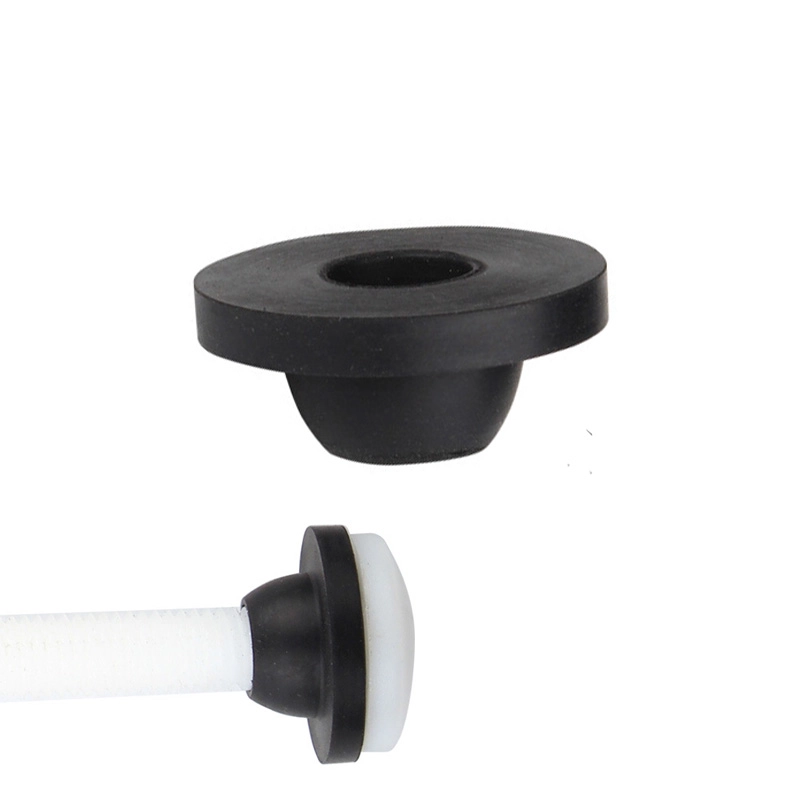 Conical Rubber Washers for Toilet Bolts Factory Wholesale