

Flapper Toilet Flush Valve Seal Replacement: A Complete DIY Guide
A running toilet is one of the most common household annoyances—and most of the time, it’s caused by a worn-out flapper flush valve seal. This small, simple rubber piece sits at the bottom of your toilet tank but plays a huge role in making sure your toilet flushes properly. The good news? Replacing it is a straightforward task that almost anyone can do in a few minutes.
What Is a Flapper Toilet Flush Valve Seal?
The flapper seal is a flexible rubber or silicone component that covers the flush valve opening in your toilet tank. When you press the handle, the flapper lifts, allowing water to rush into the bowl and complete the flush. Once the tank empties, the flapper closes tightly to prevent water from leaking back.
Over time, exposure to water, minerals, and chemicals can cause the flapper to warp, crack, or lose its flexibility. When that happens, water leaks continuously into the bowl, wasting water and raising your bills.
Signs Your Flapper Seal Needs Replacement
Knowing when to replace the flapper can save you frustration and money. Look for these common signs:
Continuous running water: Your toilet keeps running even after a flush.
Weak or incomplete flush: The water doesn’t fully clear the bowl.
Visible wear and tear: Cracks, tears, or a warped flapper.
High water bills: Leaks from a faulty flapper can waste gallons of water daily.
Tools and Materials You’ll Need
Replacing a flapper flush valve seal is a simple DIY job. Here’s what you’ll need:
Replacement flapper flush valve seal (make sure it matches your toilet model)
Sponge or towel to soak up water
Adjustable wrench (optional, depending on your toilet)
Rubber gloves (optional but helpful)
Step-by-Step Flapper Seal Replacement
Follow these steps to replace your flapper seal easily:
1. Turn Off the Water Supply
Locate the shut-off valve behind your toilet and turn it clockwise to stop water flow.
2. Drain the Tank
Flush the toilet to empty most of the water. Use a sponge or towel to soak up any remaining water.
3. Remove the Old Flapper
Disconnect the chain from the flush handle and unhook the flapper from the overflow tube or flush valve. Some flappers clip on; others slide over the valve.
4. Clean the Valve Seat
Wipe the area where the flapper sits. Mineral deposits or debris can prevent a tight seal, so a clean surface is essential.
5. Install the New Flapper
Attach the new flapper to the flush valve and connect the chain to the handle lever. Make sure there’s a little slack in the chain—not too tight and not too loose—to allow proper flushing.
6. Turn the Water Back On and Test
Open the shut-off valve, let the tank fill, and flush a few times. Check for leaks and ensure the flapper closes completely. Adjust the chain if needed.
Tips for a Long-Lasting Flapper
Choose a high-quality rubber or silicone flapper for durability.
Inspect the flapper every 6–12 months to catch wear early.
Avoid harsh chemical cleaners in the tank—they can damage the flapper.
Keep a spare flapper on hand—it’s cheap and handy for quick replacement.
Why Replacing Your Flapper Matters
Replacing a worn flapper seal isn’t just about stopping a running toilet. It also:
Saves water: Leaks can waste hundreds of gallons per month.
Reduces water bills: Fewer wasted gallons means lower costs.
Improves flush performance: Your toilet will flush fully and efficiently.
Prevents long-term damage: Continuous leaks can wear out other toilet components over time.
Quick FAQ
Q: How long does a flapper last?
A: Most flappers last 2–5 years, depending on water quality and usage.
Q: Can I replace it without turning off the water?
A: It’s not recommended. Water in the tank can make installation messy and tricky.
Q: Are all flappers universal?
A: No. Check your toilet model and size to ensure a proper fit.
Replacing a flapper toilet flush valve seal is one of the easiest DIY plumbing fixes you can do. With the right replacement part and a few minutes of effort, your toilet will stop running, flush strongly, and save you water and money.
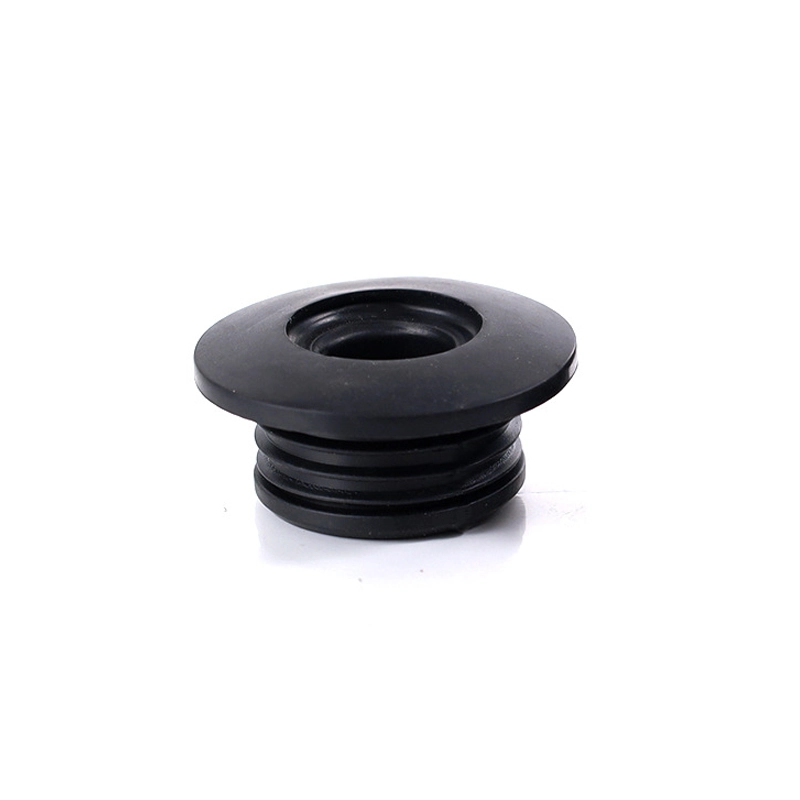 Urinal Sensor Inlet Seal Gasket Factory Replacement
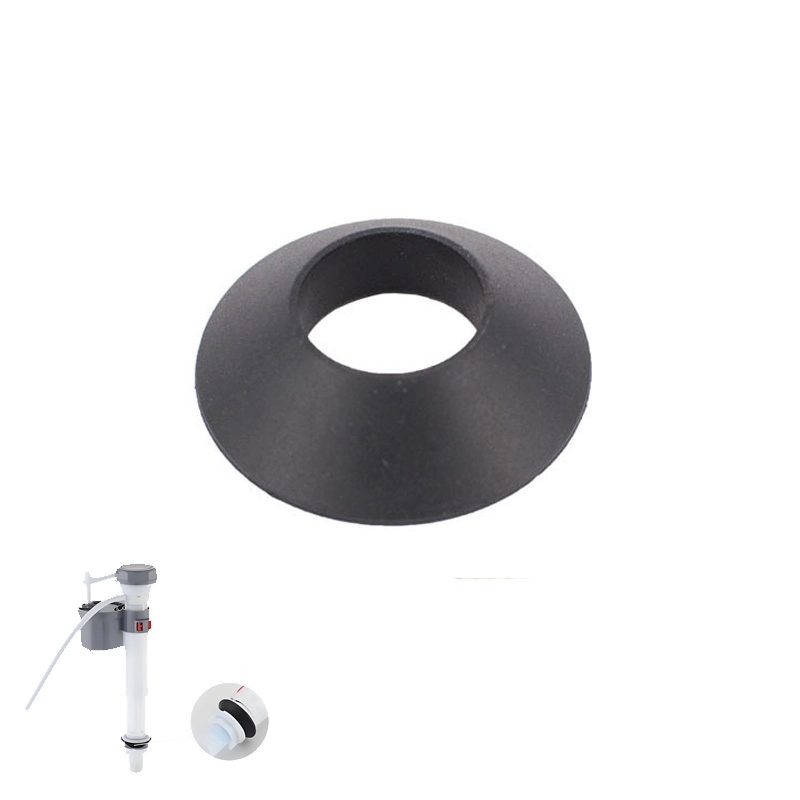 Toilet Tank Fill Valve Conical Seal Factory Replacement
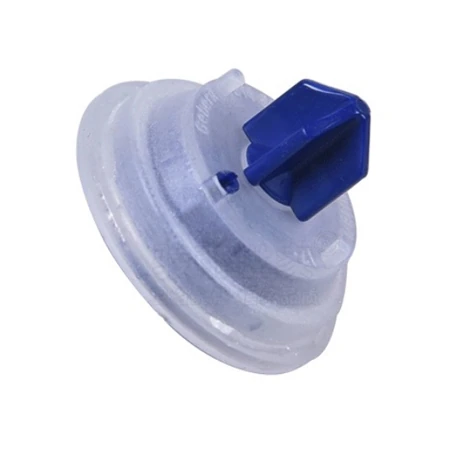 Wholesale Toilet Cistern Inlet Valve Diaphragm Washers
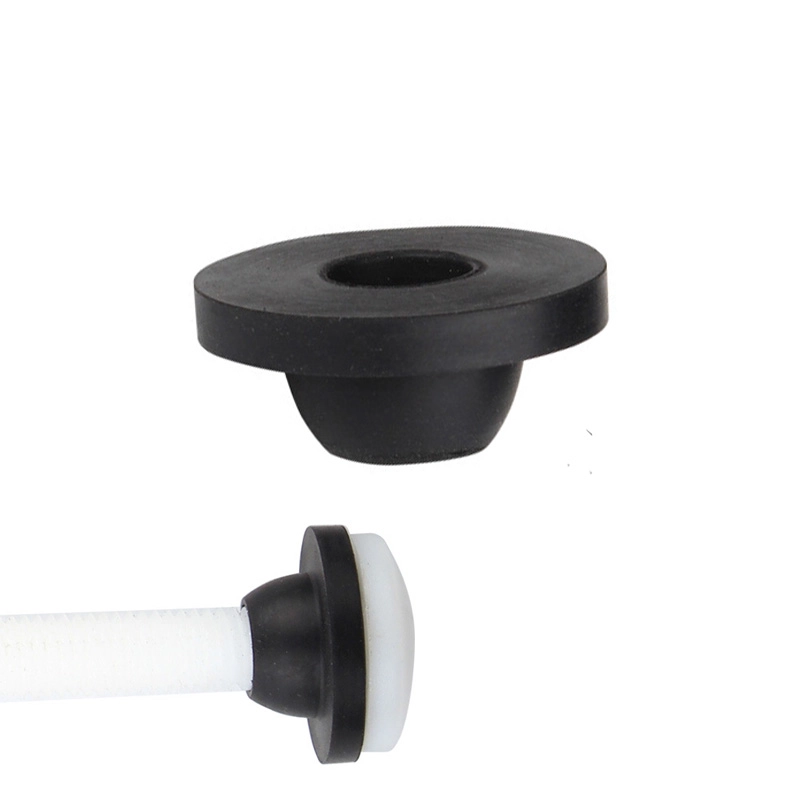 Conical Rubber Washers for Toilet Bolts Factory Wholesale