

Toilet Tank to Bowl Gasket Types: A Complete Guide
If you’ve ever taken a close look at your toilet, you probably noticed that there’s more to it than meets the eye. One of the most important, yet often overlooked parts, is the toilet tank to bowl gasket. This small rubber or foam component plays a big role in keeping your toilet leak-free and functioning smoothly. In this guide, we’ll break down the different types of toilet tank to bowl gaskets, how they work, and how to choose the right one for your bathroom.
What Is a Toilet Tank to Bowl Gasket?
Simply put, the toilet tank to bowl gasket is the seal between the toilet tank and the bowl. Its main job is to prevent water from leaking when the toilet is flushed. Over time, these gaskets can wear out, crack, or compress, leading to leaks or even water damage on your bathroom floor.
1. Standard Rubber Gaskets
The most common type you’ll find in household toilets is the standard rubber gasket. These are usually made from durable rubber that compresses slightly when the tank is bolted to the bowl, creating a watertight seal.
Pros:
Affordable and easy to replace
Fits most standard toilets
Durable for regular household use
Cons:
Can become brittle over time
Might not seal perfectly if the tank or bowl isn’t perfectly aligned
2. Foam Gaskets
Foam gaskets are made from high-density foam materials that compress to form a seal. They are often used in modern or designer toilets where the tank and bowl might have slight manufacturing variations.
Pros:
Offers flexibility for uneven surfaces
Lightweight and easy to install
Cons:
Less durable than rubber
Can degrade faster if exposed to harsh cleaning chemicals
3. Wax Ring Style Gaskets
Some toilets use a wax ring-like gasket for the tank-to-bowl connection. Unlike the standard wax ring used for floor installation, these are softer and designed to provide a strong seal under pressure.
Pros:
Excellent sealing for tight flush toilets
Resistant to minor tank-bowl misalignments
Cons:
Can be messy during installation
Less forgiving if you need to reposition the tank after installation
4. Hybrid Gaskets (Rubber + Foam)
Hybrid gaskets combine rubber and foam layers to give both durability and flexibility. These are increasingly popular in newer toilets and offer a “best of both worlds” solution.
Pros:
Strong seal with some flexibility
Long-lasting compared to pure foam
Can handle slight imperfections in tank or bowl
Cons:
Slightly more expensive than basic rubber gaskets
Limited availability for older toilet models
Tips for Choosing the Right Gasket
Check Compatibility: Always check your toilet manufacturer’s specifications. Some toilets require specific gasket types.
Consider Age of Toilet: Older toilets might benefit from a softer gasket to account for minor warping.
Installation Ease: Foam and hybrid gaskets are usually easier to install than wax ring types.
Durability Needs: For high-traffic bathrooms, rubber or hybrid gaskets last longer.
Final Thoughts
While the toilet tank to bowl gasket might seem like a minor detail, choosing the right type can save you from leaks, water damage, and frustrating repairs down the line. Whether you go with a standard rubber gasket, a foam option, or a hybrid, make sure it fits your toilet and provides a solid, watertight seal. A little attention to this small part goes a long way in keeping your bathroom running smoothly.
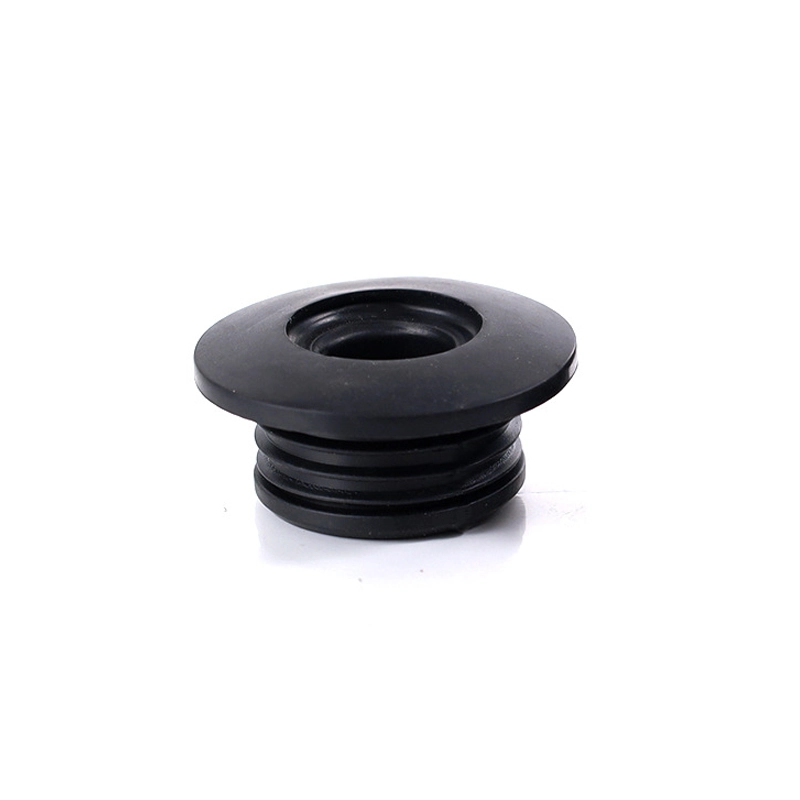 Urinal Sensor Inlet Seal Gasket Factory Replacement
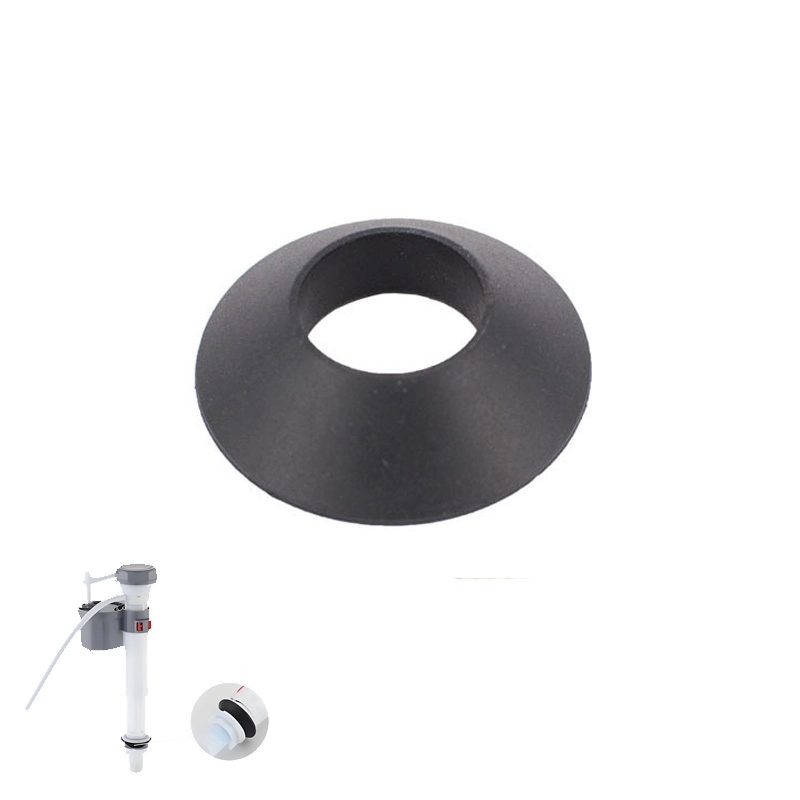 Toilet Tank Fill Valve Conical Seal Factory Replacement
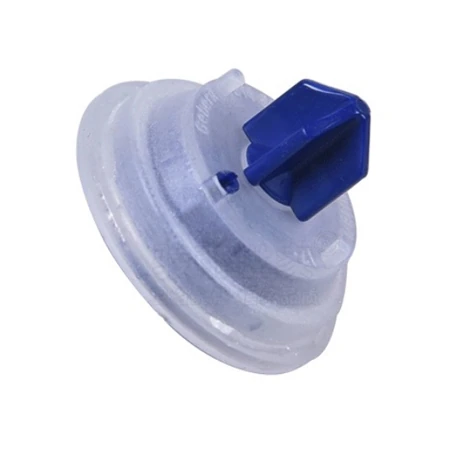 Wholesale Toilet Cistern Inlet Valve Diaphragm Washers
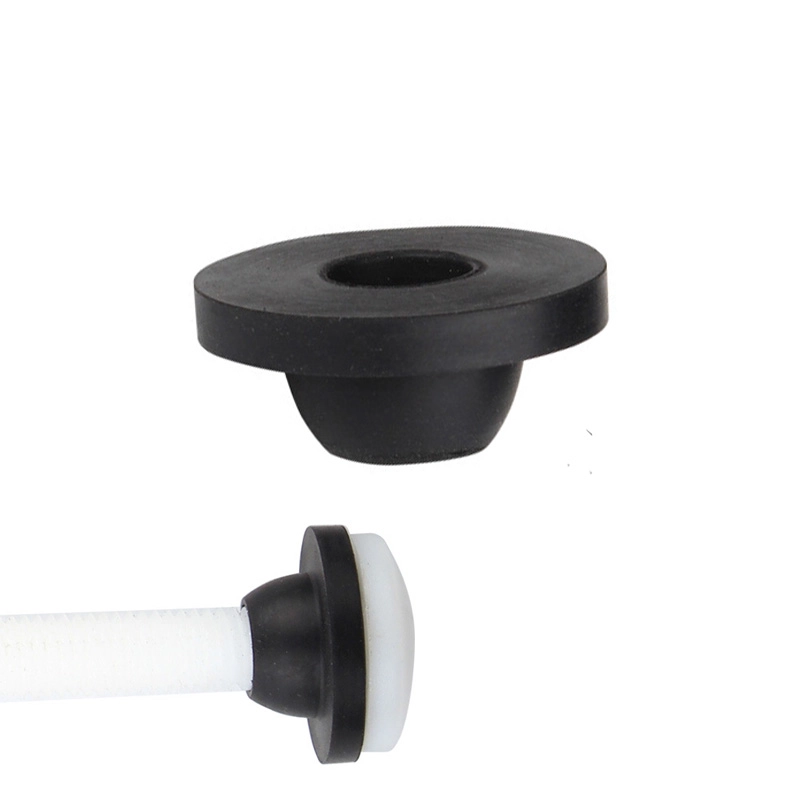 Conical Rubber Washers for Toilet Bolts Factory Wholesale