

Universal Toilet Outlet Pipe Seal Materials Guide for DIY Homeowners
If you’ve ever dealt with a leaky toilet, you know how frustrating it can be. Most of the time, the culprit isn’t the toilet itself—it’s the toilet outlet pipe seal (also called a toilet gasket or wax ring). It’s that small but mighty piece that sits between your toilet and the drainpipe, keeping water—and smells—where they belong.
In this guide, we’ll break down the different materials for universal toilet outlet seals so you can pick the right one for your bathroom project. No plumbing degree required—we’ll keep it simple.
What Is a Universal Toilet Outlet Pipe Seal?
Simply put, a universal seal is designed to fit most standard toilets. It creates a watertight connection between your toilet and the waste pipe. Think of it like a tiny superhero protecting your bathroom from leaks and odor.
Popular Toilet Outlet Seal Materials
Here’s a breakdown of the main materials you’ll see on the market. Each has its own perks and quirks.
1. Wax Rings
Wax rings are the classic choice. They’re basically a chunk of wax (sometimes with a plastic or foam core) that compresses to form a seal.
Why you might like it:
Affordable and easy to find
Works well for one-time installations
Watch out for:
Messy during installation
Can deform if your toilet shifts
Wax rings are perfect if you’re doing a quick replacement and don’t mind a bit of waxy cleanup.
2. Rubber Seals
Rubber seals are made from materials like EPDM, neoprene, or TPE. They’re flexible, durable, and can handle a little toilet wobble without leaking.
Why you might like it:
Long-lasting and clean
Can adjust slightly to uneven floors
Watch out for:
Slightly more expensive than wax
Make sure you get the right size
If you want a seal that’s hassle-free and reusable, rubber is a smart choice.
3. Foam Seals
Foam seals are newer on the scene. They’re usually made of compressible foam and sometimes have a plastic ring inside.
Why you might like it:
Lightweight and super easy to install
Works on uneven surfaces
Watch out for:
May wear out faster than rubber if exposed to harsh cleaners
Foam seals are great for home projects where simplicity matters.
4. Hybrid or Reinforced Seals
Some modern seals combine the best of both worlds—wax with a plastic flange or rubber with foam inside. These are often sold as “universal” because they fit most toilets.
Why you might like it:
Flexible, forgiving, and versatile
Less chance of leaks or wobbling toilets
Watch out for:
Slightly higher cost than standard options
Hybrids are ideal if your toilet flange isn’t perfectly level or if you want a long-lasting solution.
Quick Tips for Picking the Right Seal
Check your toilet type: Older homes may benefit from flexible rubber or foam.
Think long-term: Rubber and hybrid seals usually last longer.
Ease of installation: Foam and rubber are less messy than wax.
Measure twice: Even “universal” seals come in 3” or 4” outlet sizes.
Bottom Line
A universal toilet outlet seal may be tiny, but it’s a hero in disguise. Wax, rubber, foam, or hybrid—choosing the right material can save you headaches, leaks, and smells down the line.
For most DIY homeowners, rubber or hybrid seals hit the sweet spot: easy to install, forgiving, and long-lasting. With the right seal, your toilet stays put, your bathroom stays dry, and you can finally relax knowing leaks are a thing of the past.
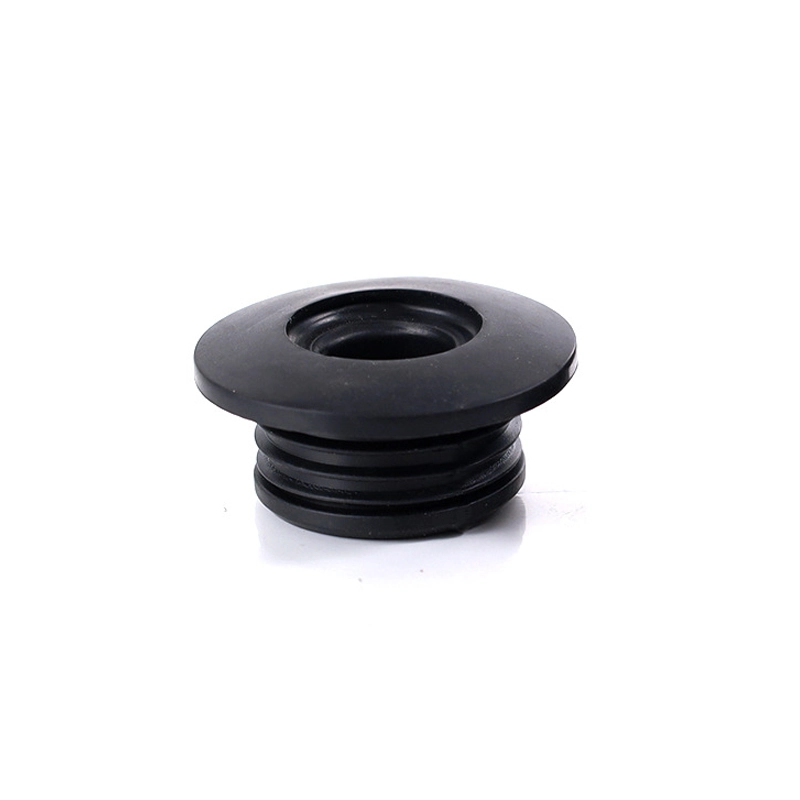 Urinal Sensor Inlet Seal Gasket Factory Replacement
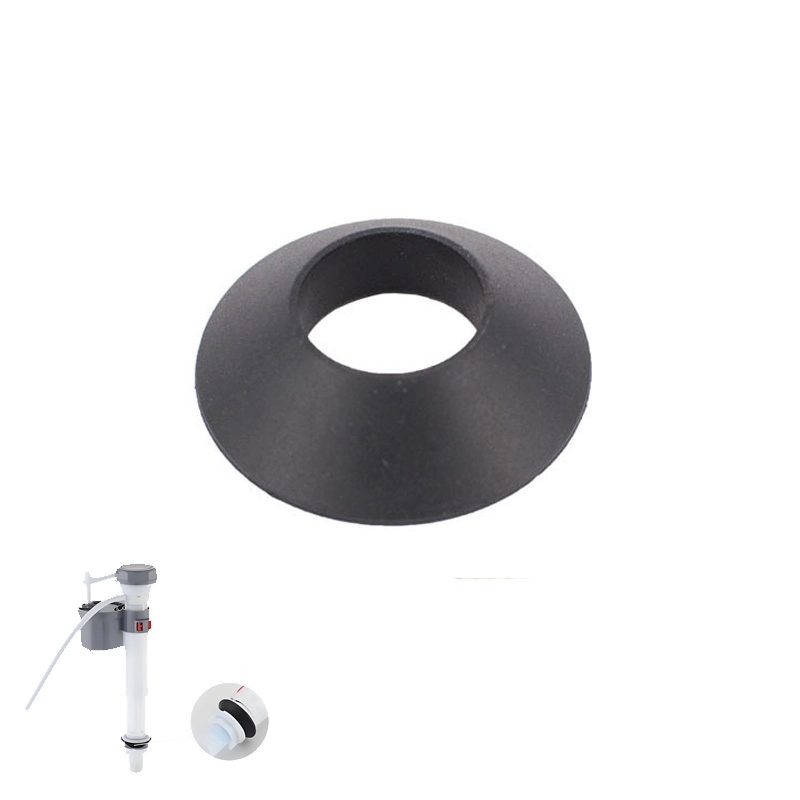 Toilet Tank Fill Valve Conical Seal Factory Replacement
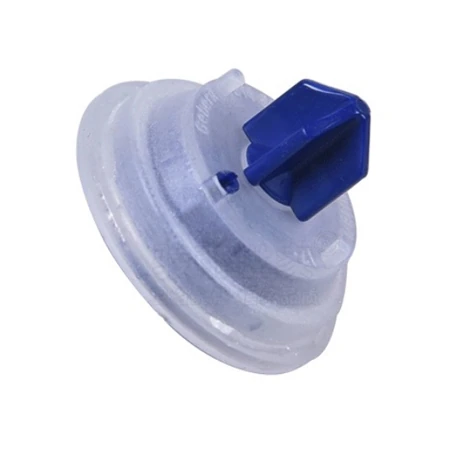 Wholesale Toilet Cistern Inlet Valve Diaphragm Washers
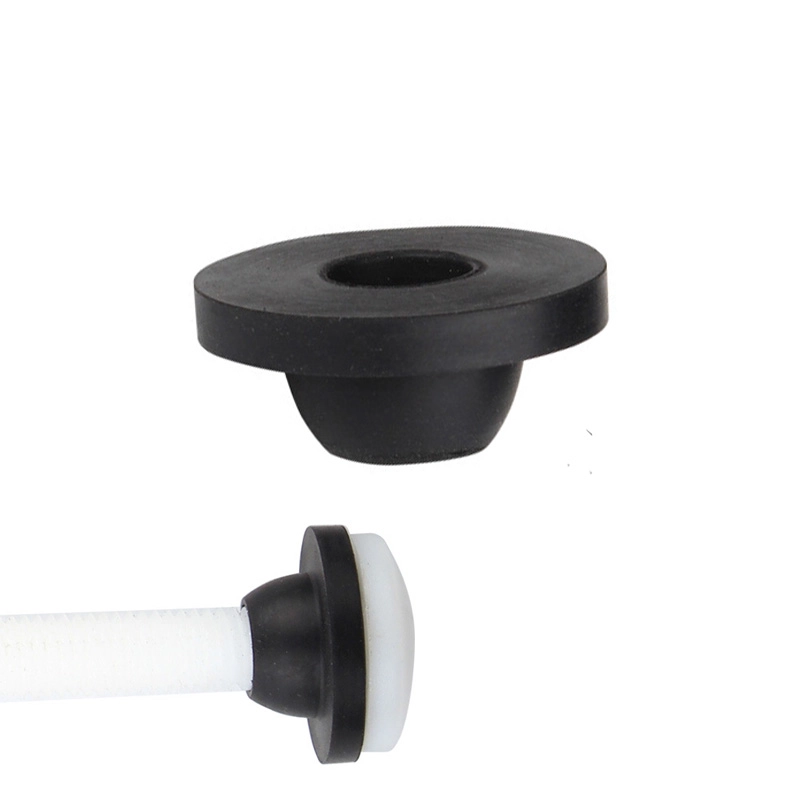 Conical Rubber Washers for Toilet Bolts Factory Wholesale