

How to Fix a Toilet Tank Seal (Step-by-Step Guide to Stop Leaks Fast)
A leaking toilet tank is one of the most common household plumbing issues—and in most cases, the problem comes down to a worn-out flush valve seal (also called a flapper or tank gasket).
The good news? You don’t need to be a plumber to fix it. With a few basic tools and about 20–30 minutes, you can stop the leak and save water.
🔧 What You’ll Need Before You Start
Before you begin, gather these simple tools and parts:
Tools:
Screwdriver (flathead or Phillips)
Adjustable wrench (optional)
Towels or sponge
Gloves (optional)
Replacement Parts:
New flush valve seal or flapper (make sure it matches your toilet model)
PTFE (plumber’s) tape (optional)
👉 Tip: Take a photo of your old seal before heading to the store—it makes finding the right replacement much easier.
🚽 Step-by-Step: How to Replace a Toilet Tank Seal
Step 1: Turn Off Water & Empty the Tank
Locate the shutoff valve behind your toilet (usually near the wall). Turn it clockwise to stop the water supply.
Flush the toilet to drain the tank, then use a towel or sponge to remove any remaining water.
Step 2: Access the Flush Valve
There are two common toilet types:
Two-piece toilets (most common):
Unscrew the bolts at the bottom of the tank
Carefully lift the tank off and place it on a towel
One-piece toilets:
No need to remove the tank
Disconnect the chain or flush linkage
Unscrew or unclip the flush valve inside the tank
Step 3: Remove the Old Seal
Locate the rubber seal at the bottom of the flush valve
Gently pull it off (keep it for size comparison)
If it feels stiff, cracked, or warped—that’s your leak source.
Step 4: Clean the Surface
Before installing the new seal:
Wipe away dirt, debris, or mineral buildup
Use vinegar if needed to remove scale
Dry the area completely
A clean surface ensures a proper seal and prevents future leaks.
Step 5: Install the New Seal
Place the new seal evenly over the valve opening
Make sure it sits flat and snug
Align any grooves if your model has them
👉 Important: Incorrect positioning is one of the most common reasons leaks continue after replacement.
Step 6: Reassemble & Test
Reinstall the tank or flush valve
Tighten screws evenly (don’t overtighten—porcelain can crack)
Reconnect the chain (leave slight slack)
Turn the water back on and let the tank fill.
Test it:
Flush once
Check for leaks underneath and inside the bowl
Listen for running water
If everything is quiet and dry—you’re done!
⚠️ Common Problems (and Quick Fixes)
🚿 Water Keeps Running Into the Bowl
Cause:
Seal not seated correctly
Chain too long or too tight
Fix:
Adjust chain (leave about ½ inch slack)
Reinstall the seal properly
💧 Water Leaks Under the Tank
Cause:
Loose bolts
Worn tank-to-bowl gasket
Fix:
Tighten bolts evenly
Replace washers or gasket if needed
🔄 Leak Around Fill Valve
Cause:
Worn inlet valve seal
Fix:
Remove fill valve
Replace seal and apply PTFE tape
🧠 Pro Tips for Long-Term Maintenance
Check your toilet seal every 1–2 years
Replace it early if it feels hard or brittle
Avoid harsh chemical cleaners—they degrade rubber parts faster
Use high-quality silicone seals for longer lifespan
✅ When to Replace Instead of Repair
If replacing the seal doesn’t fix the issue, you may need to replace the entire flush valve assembly—especially if:
The plastic body is cracked
The valve doesn’t align properly
The toilet is older (10+ years)
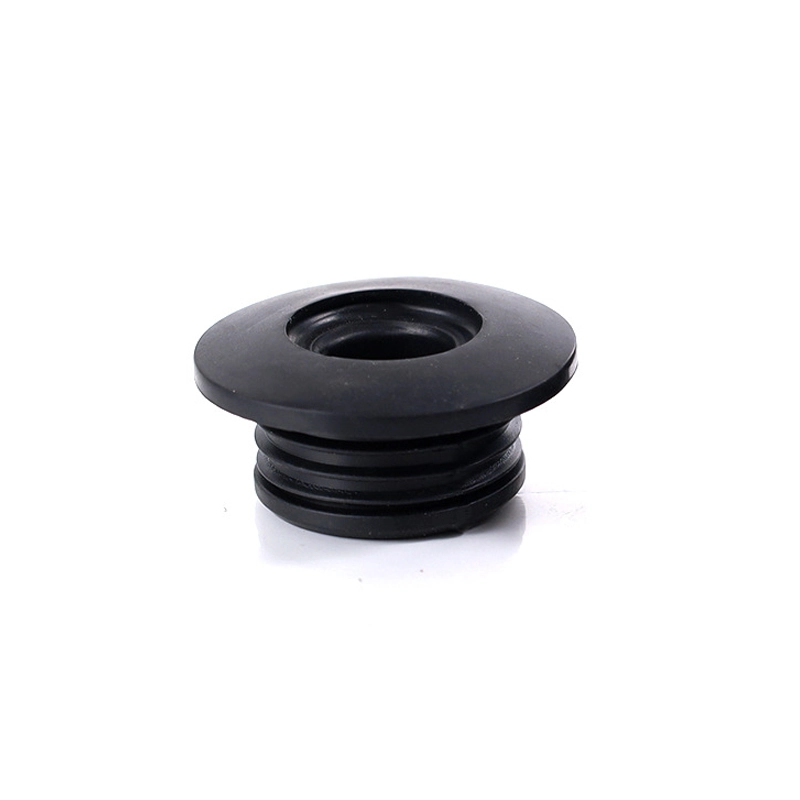 Urinal Sensor Inlet Seal Gasket Factory Replacement
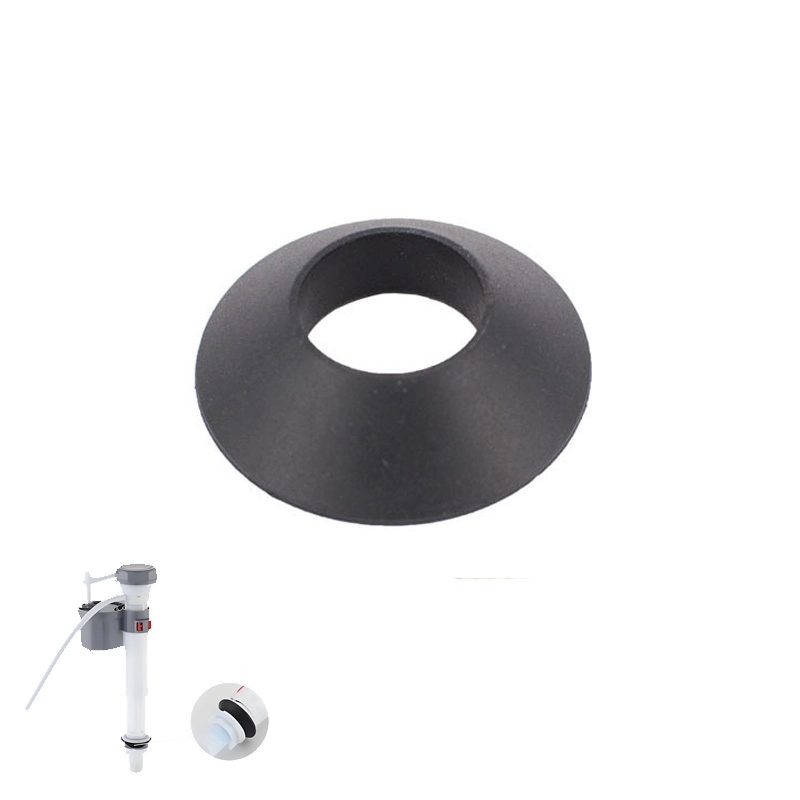 Toilet Tank Fill Valve Conical Seal Factory Replacement
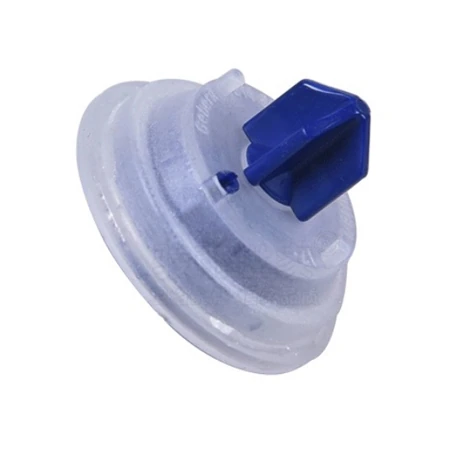 Wholesale Toilet Cistern Inlet Valve Diaphragm Washers
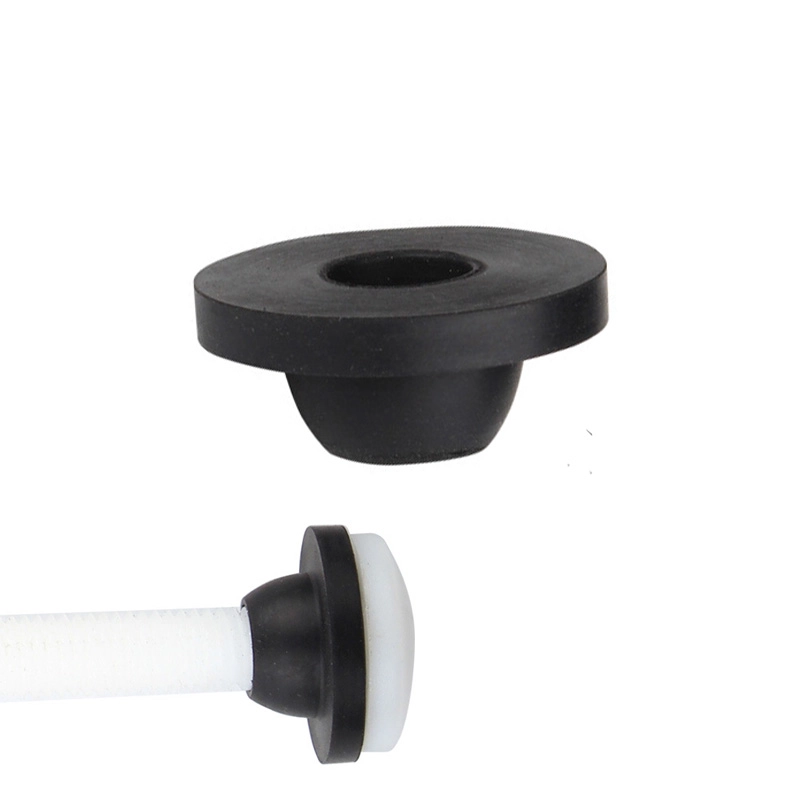 Conical Rubber Washers for Toilet Bolts Factory Wholesale