

How do you know if your toilet water valve needs to be adjusted?
To determine if a toilet fill valve needs adjustment, the core is to observe the toilet’s abnormal performance in three scenarios: water refilling, draining, and standing still. Identify issues based on specific phenomena. Below is a step-by-step, easy-to-follow judgment method covering common scenarios:
I. Core Judgment Scenarios: Observe 3 Types of Abnormal Phenomena
The core function of a toilet fill valve is to "control water inflow into the tank". If any of the following situations occur, it basically means the fill valve needs adjustment (or maintenance):
1. Abnormal Tank Water Level: Too High or Too Low
The tank water level is the most intuitive "work feedback" of the fill valve. The normal water level should be at the water level mark inside the tank (for tanks without marks, it should be 2-3 cm below the top of the overflow pipe to prevent overflow).
Water level too high: After refilling, water overflows through the overflow pipe (continuous water flow from the overflow pipe into the toilet bowl) or there are water droplets on the inner side of the tank lid (caused by evaporation due to excessively high water level). This indicates the "water stop threshold" of the fill valve is too high, and the water level needs to be lowered.
Water level too low: After refilling, the water level is far below the water level mark, resulting in insufficient flushing volume (unable to flush clean, requiring a second flush). This means the "refilling stroke" of the fill valve is insufficient, and the water level needs to be raised.
2. Leakage When Standing Still: Fill Valve Seal Failure
When the toilet is not in use (the tank is fully refilled), if the following situations occur, it may be that the sealing components of the fill valve (such as the valve core or sealing ring) are aged, or the water level adjustment is improper, leading to continuous leakage:
Listen for sounds: A "continuous faint running water sound" (similar to a "hissing" or "dripping" sound) can be heard inside the tank, and the sound does not stop when the tank is full.
Check the water level: After the tank is fully refilled, the fill valve fails to stop water in time, and a small amount of water still flows into the tank from the valve (open the tank lid and observe if there is a continuous small water flow from the fill valve outlet).
Review water bills: If the water bill has increased unexpectedly recently and other water-using equipment is ruled out as the cause of leakage, focus on checking the toilet fill valve (long-term leakage can waste dozens of liters of water per day).
3. Abnormal Refilling Speed: Too Slow or Too Fast
Under normal circumstances, after the tank drains (after flushing), the fill valve should fill the tank within 1-3 minutes (the specific time varies slightly by toilet model). If it deviates significantly from this range, adjustment is needed:
Refilling too slow: It takes more than 10 minutes to fill the tank after flushing, or the water flow is weak (similar to "dripping"). This may be because the "water inflow adjustment screw" of the fill valve is not fully opened, or the water inlet is clogged (clogs should be cleared first, then the flow adjusted).
Refilling too fast: The water flow makes a loud rushing sound during refilling (affecting daily life), or water splashes out of the tank. This indicates the water inflow is too large, and the flow adjustment screw needs to be turned to reduce the flow.
II. Supplementary Judgment: Manually Inspect the Fill Valve Status
If the problem cannot be identified through the above phenomena, open the tank lid and manually operate the fill valve components for further verification:
1. Inspect the Float Ball/Float Arm (Old-Style Fill Valves)
Normal state: The float ball rises as the water level rises; when the water level reaches the threshold, the float ball drives the fill valve to close (stop water); when the water level drops, the float ball falls, and the fill valve opens (allow water inflow).
Abnormal situations: If the float ball is deformed (unable to rise normally), the float arm is loose (the fill valve does not close even when the water level is reached), or the float ball is stuck (the fill valve does not allow water inflow even when the water level is low), the float ball position needs to be adjusted or the component replaced.
2. Inspect the Fill Valve Core (New-Style Fill Valves, e.g., Pressure-Type)
Normal state: After pressing the flush button, the valve core opens to allow water inflow; when the tank is full, the valve core automatically closes under water pressure.
Abnormal situations: When pressing the valve core manually, you feel jamming or lack of elasticity, or the valve core fails to reset after being released (continuous water inflow/no water inflow). This indicates the valve core is aged and needs to be replaced (adjustment cannot solve the problem).
III. Summary: Core Signals That Adjustment Is Needed
| Abnormality Type | Specific Manifestations | Adjustment Direction |
|---|---|---|
| Abnormal Water Level | Too high (overflow)/Too low (insufficient flushing) | Raise/lower water level (float ball/adjustment arm) |
| Leakage When Standing | Continuous running water sound/Water does not stop after tank is full | Adjust water stop threshold/replace sealing ring |
| Abnormal Refilling Speed | Too slow (takes over 10 minutes to fill)/Too fast (loud noise) | Increase/decrease water inflow (flow adjustment screw) |
| Component Jamming | Stuck float ball/No elasticity when pressing the valve core | Adjust float ball position/replace valve core |
If problems (such as leakage or no water inflow) persist after adjustment, the fill valve components may be aged (e.g., sealing ring, valve core). In this case, the fill valve should be replaced directly (it is low-cost and can be done via DIY, avoiding long-term water waste and increased water bills).
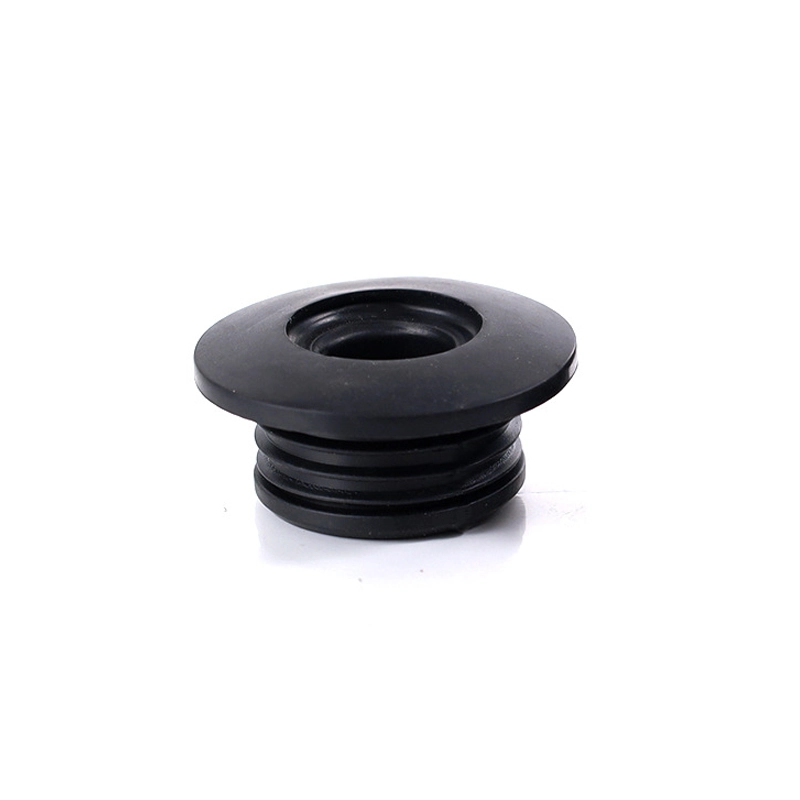 Urinal Sensor Inlet Seal Gasket Factory Replacement
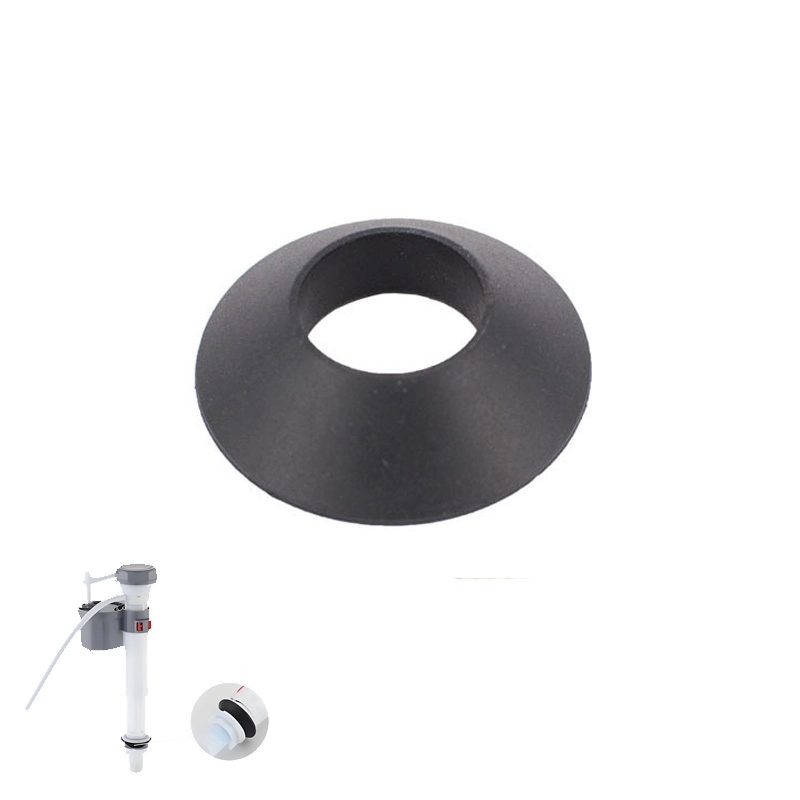 Toilet Tank Fill Valve Conical Seal Factory Replacement
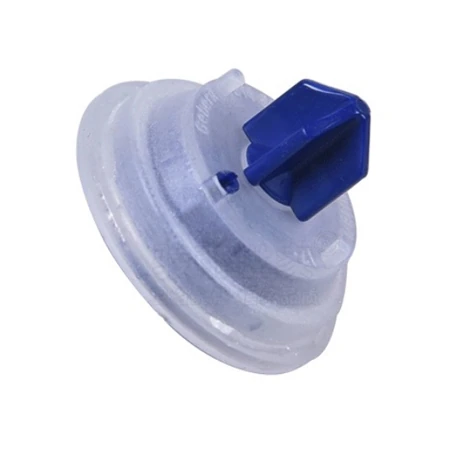 Wholesale Toilet Cistern Inlet Valve Diaphragm Washers
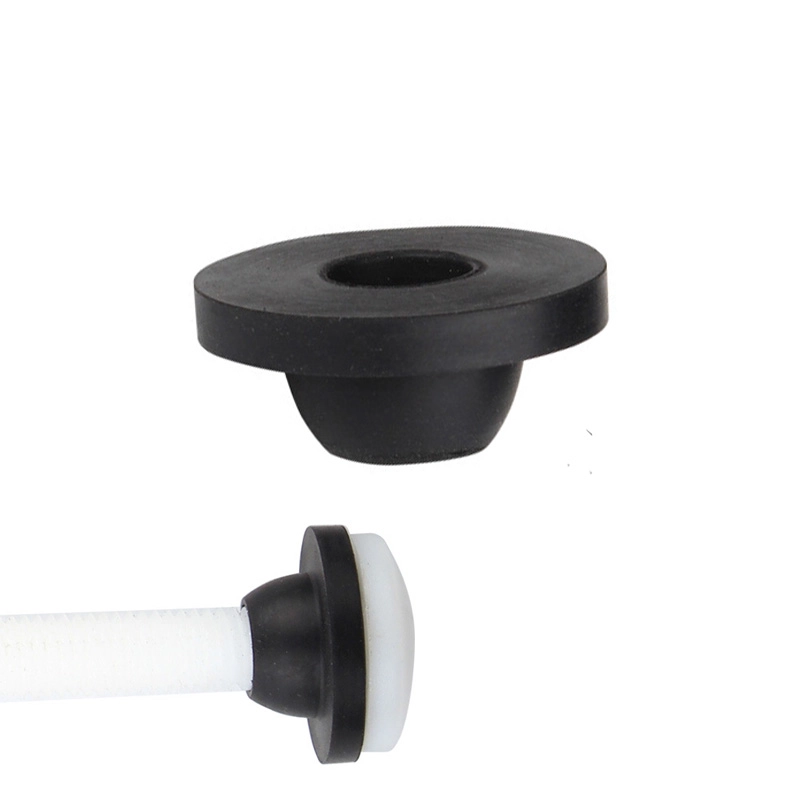 Conical Rubber Washers for Toilet Bolts Factory Wholesale