

How to Tell If a Toilet Flapper or Flush Valve Is Leaking (Easy DIY Guide)
If your toilet keeps running or your water bill is creeping up, a leaking flush valve or toilet flapper is often the cause. The good news? You don’t need any special tools or plumbing experience to figure it out.
This guide walks you through simple visual checks, quick tests, and targeted troubleshooting so you can pinpoint the exact problem in minutes.
1. First: Confirm There’s a Leak (2 Easy Signs)
Before diving deeper, check for these common warning signs:
🚽 1. The Toilet Keeps Refilling
If you hear a constant or intermittent hissing sound, your tank is likely refilling when it shouldn’t.
Water may be slowly leaking into the bowl
You might hear faint running water even when the toilet hasn’t been used
The bowl water level may rise slightly over time
👉 This usually points to a flush valve or flapper sealing issue
💧 2. Water Level Drops in the Tank
Try this quick check:
Turn off the water supply valve under the toilet
Wait 1–2 hours without flushing
Open the tank and check the water level
If the water level has dropped without any external leaks, the issue is inside the tank.
👉 Most likely cause: flapper or flush valve leak
2. Pinpoint the Problem: Flush Valve vs. Flapper
Once you know there’s a leak, use these proven methods to find the exact source.
🔍 Method 1: The Dye Test (Fastest & Most Reliable)
This is the easiest and most accurate way to detect internal leaks.
Steps:
Let the tank fill completely
Turn off the water supply
Add a few drops of food coloring into the tank
Wait 15–20 minutes (don’t flush)
Results:
If the toilet bowl water changes color → leak confirmed
If not → the issue may be with the fill valve instead
👉 This test works for all toilet types and is widely recommended by plumbers
🔧 Method 2: Check the Flush Valve Seal
The flush valve controls the water release from the tank to the bowl. If it doesn’t seal properly, water will continuously leak.
What to look for:
Worn, warped, or dirty rubber seal
Debris or mineral buildup preventing a tight seal
Flapper not sitting evenly over the drain opening
Quick test:
Gently press down on the flapper after the tank fills
If the running water stops → the seal is faulty
👉 Fix: Clean the seal or replace the flapper
⚙️ Method 3: Inspect the Flush Lever & Chain
Sometimes the issue isn’t the seal—it’s the mechanism controlling it.
Check these:
Chain too tight → flapper can’t fully close
Chain too loose → flapper doesn’t lift properly
Handle sticking or not returning smoothly
Signs of trouble:
Flapper stays slightly open after flushing
Handle feels loose or doesn’t spring back
👉 Fix: Adjust chain length or replace the handle if needed
3. Rule Out Other Common Toilet Issues
Not all leaks come from the flush system. Here’s how to avoid misdiagnosis:
🚫 External Leaks
Water around the base or tank
Loose supply line or worn gasket
👉 Not related to flapper or flush valve
🚫 Overflow Tube Running
Water constantly flowing into the overflow tube
👉 Likely a fill valve problem, not a flush issue
4. Quick Summary: How to Tell What’s Leaking
| Symptom | Likely Problem |
|---|---|
| Colored water appears in bowl | Flapper / flush valve leak |
| Stops leaking when pressing flapper | Worn or dirty seal |
| Handle doesn’t return properly | Flush lever issue |
| Water flows into overflow tube | Fill valve problem |
Final Thoughts
Most toilet leaks come down to a worn-out flapper or flush valve seal—both inexpensive and easy to fix. By using the dye test and a quick inspection, you can identify the issue in under 20 minutes and avoid unnecessary repairs.
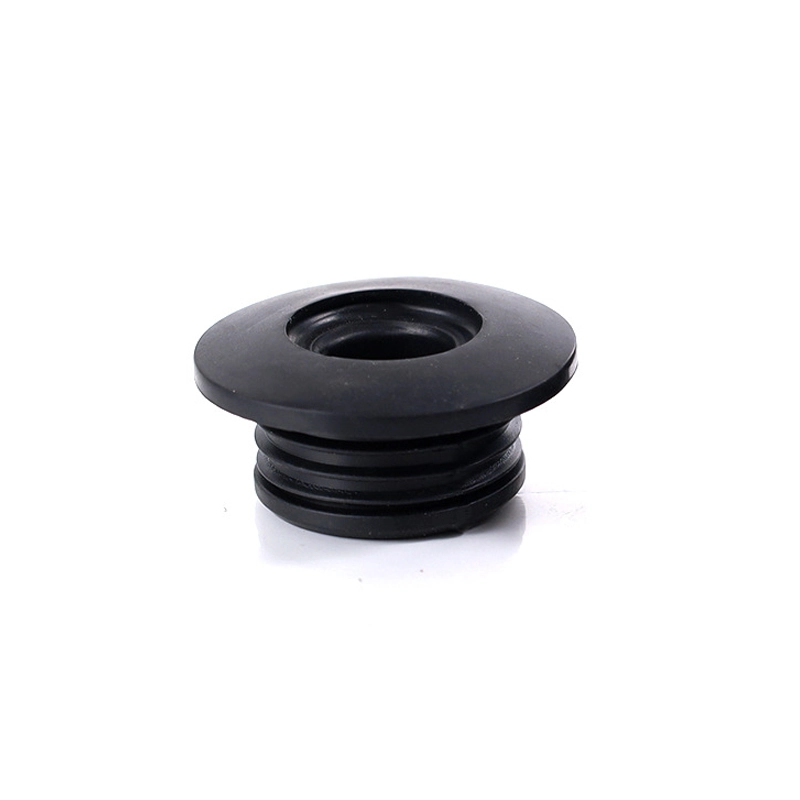 Urinal Sensor Inlet Seal Gasket Factory Replacement
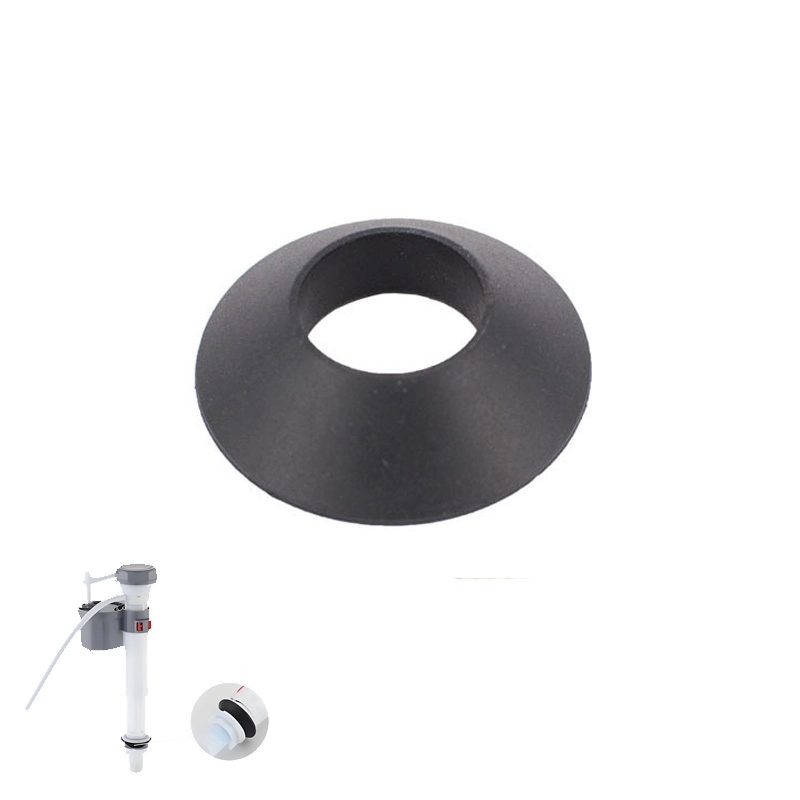 Toilet Tank Fill Valve Conical Seal Factory Replacement
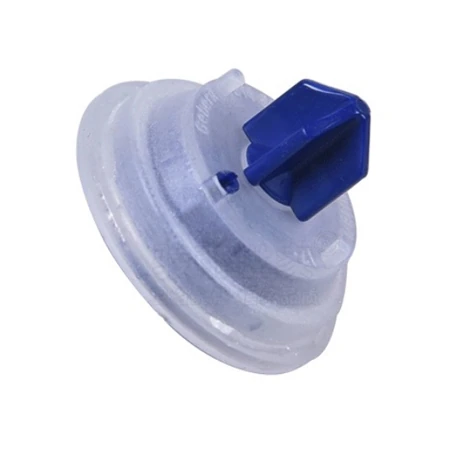 Wholesale Toilet Cistern Inlet Valve Diaphragm Washers
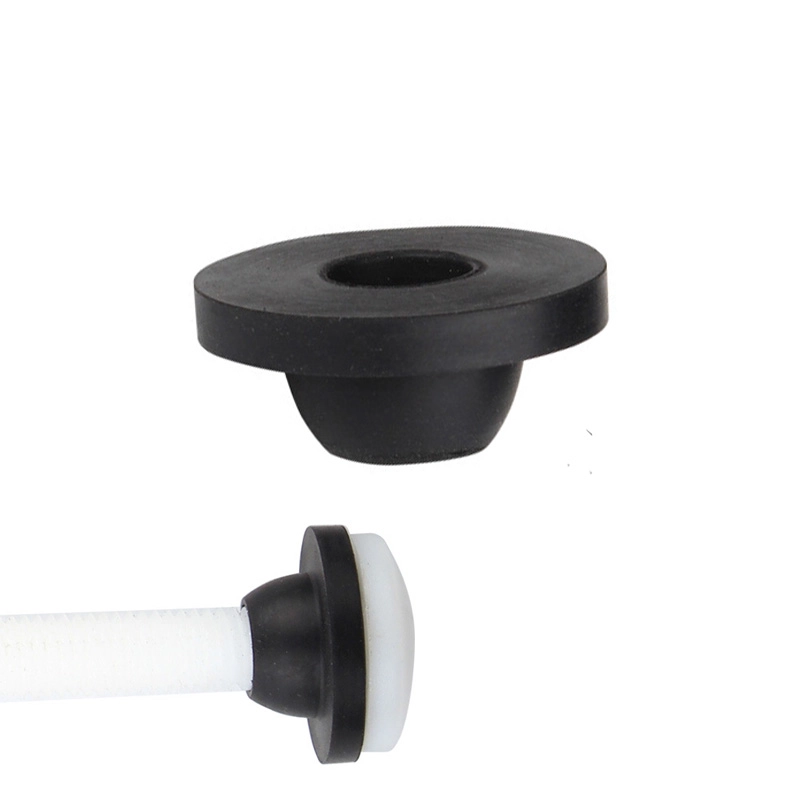 Conical Rubber Washers for Toilet Bolts Factory Wholesale