

What happens if the flush valve seal leaks?
A leaking flush valve seal in a toilet tank can trigger a series of cascading problems, affecting daily use, causing additional losses, and posing safety hazards. Below is a detailed breakdown of the consequences across three key dimensions, along with corresponding maintenance recommendations for practical application or communication with users/partners:
I. Direct Impacts: Core Function Abnormalities & Water Waste
1. Continuous Leakage & "Non-Stop Water Refilling"
The seal ring is the core sealing component of the flush valve. Once aged, deformed, or damaged, water in the tank will continuously leak from the gap between the flush valve and the bottom of the tank into the toilet bowl. To maintain the normal water level in the tank, the fill valve will keep refilling water, creating a cycle of "leakage → refilling → further leakage."
2. Weakened or Failed Flushing Performance
Leakage prevents the water level in the tank from stably reaching the height required for effective flushing, resulting in issues such as "insufficient flushing power" (inability to clear waste completely) and "post-flush residue." In severe cases of seal damage, the tank may leak water as quickly as it refills, failing to store enough water for flushing and completely losing its function.
II. Secondary Issues: Economic Losses & Deteriorated User Experience
1. Severe Water Waste & Skyrocketing Water Bills
Even a minor leak accumulates significant water over time: a leak of 10 milliliters per minute wastes approximately 14.4 liters per day and over 5 tons per year. For severe leaks (e.g., dripping or streaming), monthly water bills may increase by tens or even hundreds of yuan, significantly impacting costs for households or commercial premises (e.g., hotels, office buildings).
2. Damp, Odorous Bathroom & Bacterial Growth
Continuous leakage keeps the toilet base and floor perpetually moist, fostering mold and bacteria (such as Escherichia coli) and producing unpleasant odors. If there are gaps in the floor, water may seep under the tiles, causing floor dampness and wall peeling, which affects bathroom hygiene and health.
III. Potential Risks: Long-Term Damage & Safety Hazards
1. Corrosion of Toilet Components & Shortened Lifespan
Leakage exposes metal or plastic components (e.g., flush valves, fill valves) to prolonged water contact, accelerating rust (for metal parts) or aging (for plastic parts). This leads to additional malfunctions (e.g., stuck fill valves, jammed flush valves), shortening the toilet's overall service life and increasing repair or replacement costs.
2. Slip Hazards & Neighbor Disputes
Leaked water forms puddles around the toilet, especially on slippery tiled floors, posing a fall risk for the elderly, children, or people with mobility issues. In multi-story residences, water seepage to the floor below may also trigger neighbor disputes.
Recommended Solutions (For Maintenance Guides or Product Documentation)
If a flush valve seal leak is detected, address it promptly by following these steps:
Step 1: Turn Off the Water Supply
Locate the shut-off valve under the toilet tank and turn it clockwise to stop water flow and prevent continuous leakage.
Step 2: Drain the Tank
Press the flush button to empty any remaining water in the tank, facilitating subsequent operations.
Step 3: Replace the Seal Ring
Remove the tank lid, detach the flush valve (typically secured by clips or screws), take out the aged seal ring, and replace it with a new one of the same model. We recommend selecting an aging-resistant rubber material (e.g., EPDM rubber), which is compatible with most toilet flush valves.
Step 4: Test Sealing Performance
After installation, turn on the water supply. Once the tank is full, check if there is any leakage at the bottom of the flush valve. No leakage indicates a successful replacement.
For scenarios requiring communication with OEM partners or customers, emphasize the importance of "timely seal ring replacement" for water conservation and extending equipment lifespan. Additionally, recommend compatible seal ring models to enhance service professionalism.
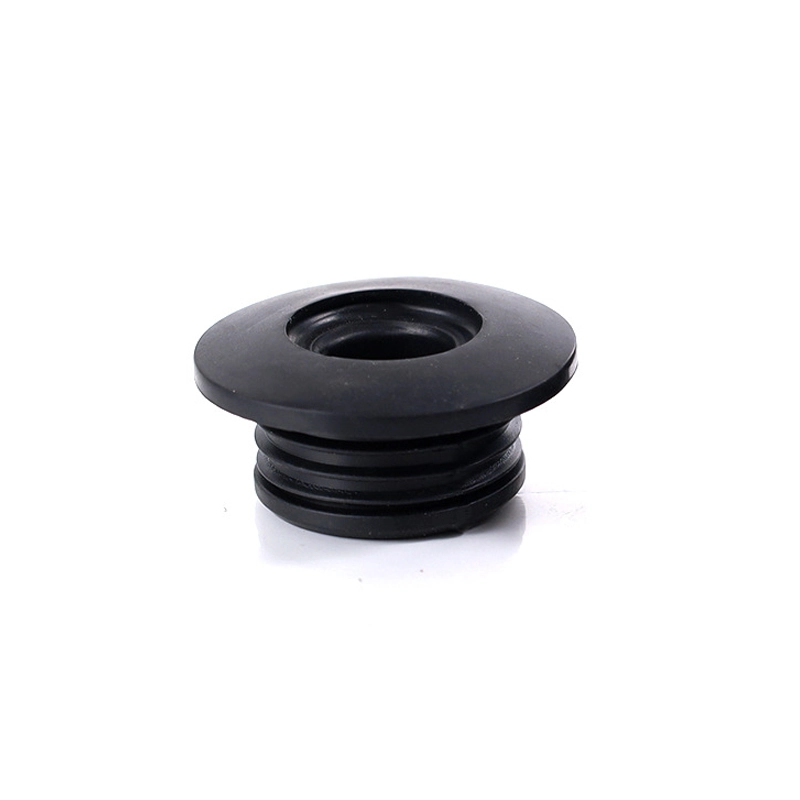 Urinal Sensor Inlet Seal Gasket Factory Replacement
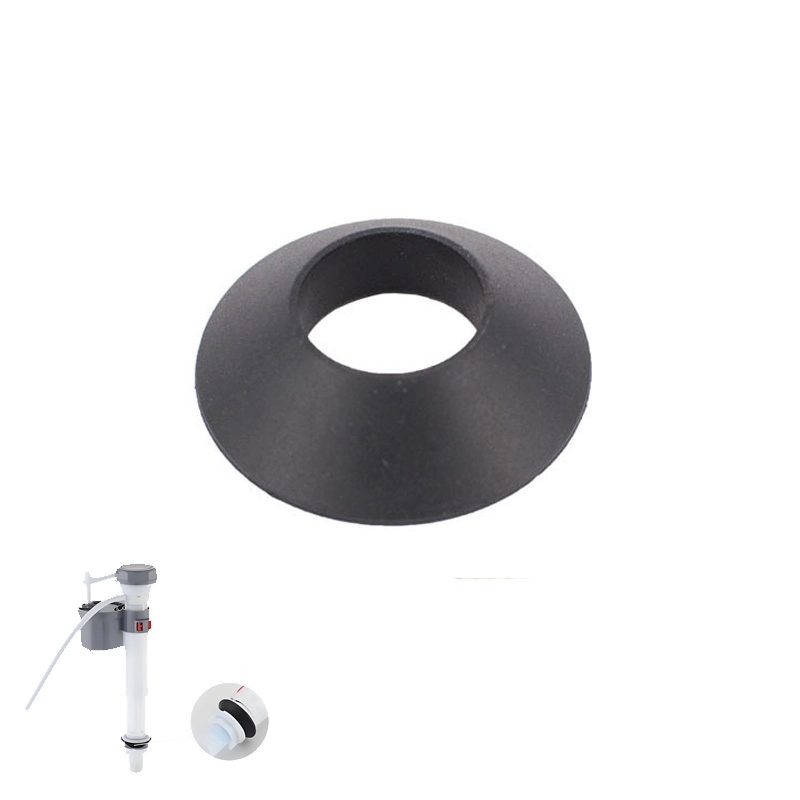 Toilet Tank Fill Valve Conical Seal Factory Replacement
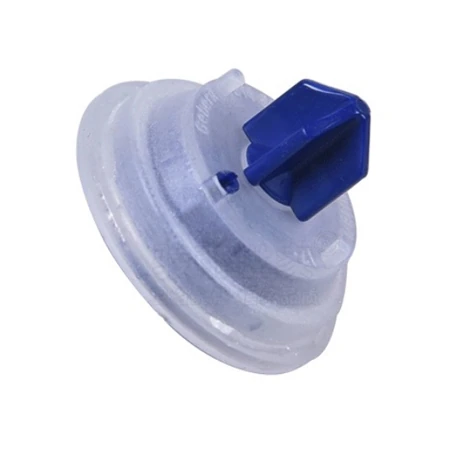 Wholesale Toilet Cistern Inlet Valve Diaphragm Washers
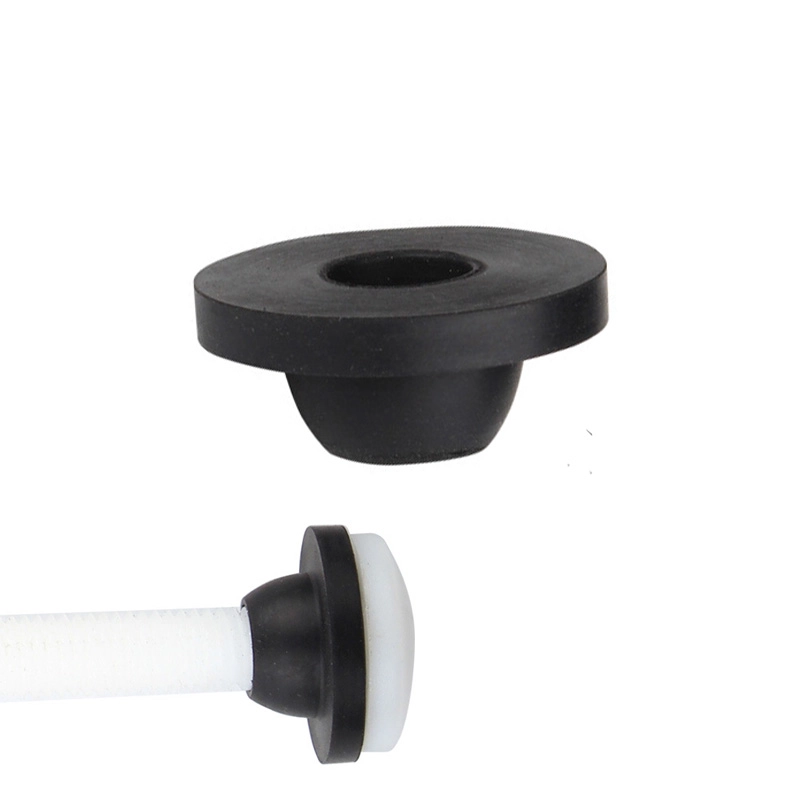 Conical Rubber Washers for Toilet Bolts Factory Wholesale