

Toilet Tank Water Level Too Low? How to Check and Fix Weak Flush
If your toilet tank water level is too low, the toilet will flush weakly or incompletely. The correct water level should be about 1 inch (2–3 cm) below the overflow tube. If the water level is lower than this, adjust the fill valve to restore proper flushing performance.
Why Toilet Tank Water Level Matters
The water level inside your toilet tank directly affects flushing power. When the tank does not hold enough water, the flush becomes weak and may not remove waste effectively.
A properly adjusted water level helps:
Improve flushing power
Reduce double flushing
Save water in the long run
Prevent incomplete waste removal
Maintain toilet efficiency
If your toilet flush feels weak, the tank water level is one of the first things you should check.
How to Determine If Toilet Tank Water Level Is Too Low
There are three simple ways to determine if your toilet tank water level is too low.
Method 1: Check the Overflow Tube (Most Accurate Method)
Inside your toilet tank, there is a vertical plastic tube called the overflow tube. This is the easiest reference point for checking the water level.
Normal Water Level
Water level sits 1 inch below overflow tube
Water surface remains stable
Toilet flush is strong and complete
Water Level Too Low
Water level more than 1 inch below overflow tube
Weak flushing performance
Incomplete bowl cleaning
Steps to Check
Remove toilet tank lid carefully
Flush toilet and allow tank to refill
Wait until water stops running
Compare water level with overflow tube
If the water level is significantly lower, it needs adjustment.
Method 2: Check Toilet Flushing Performance
Low water level usually causes noticeable flushing problems.
Common symptoms include:
Weak flush
Slow water flow into bowl
No vortex during flushing
Waste remains after flushing
Multiple flushes required
If you experience these symptoms, the water level may be too low.
Method 3: Check Refill Time
Another simple method is checking how long your tank takes to refill.
Normal refill time:
3–5 minutes
Water level too low:
Refill stops too quickly
Tank fills in 1–2 minutes
This indicates the fill valve stops too early.
Common Causes of Low Toilet Tank Water Level
1. Fill Valve Water Level Set Too Low (Most Common)
Most modern toilets use a fill valve with an adjustable float. If the float is set too low, the tank stops filling before reaching proper level.
Signs include:
Float positioned too low
Water stops filling early
Weak flushing
Quick Fix
Turn adjustment screw
Raise float level
Allow tank to refill
2. Fill Valve or Seal Leakage
If water slowly leaks from the tank, the water level drops after filling.
How to check:
Fill tank completely
Turn off water supply
Wait 10–15 minutes
Check if water level drops
If water level drops, you may have:
Worn flush valve seal
Damaged flapper
Cracked fill valve
How to Fix Low Toilet Tank Water Level
Step‑by‑Step Adjustment Guide
For Float Ball Fill Valve
Locate float ball
Find adjustment screw
Turn counterclockwise to raise water level
Flush and test
For Floatless Fill Valve
Locate adjustment clip
Slide upward
Allow tank to refill
Test flushing performance
Adjust gradually until water level reaches proper height.
Common Mistakes to Avoid
Mistake 1: Setting Water Level Too High
Water level above overflow tube may cause:
Continuous running toilet
Water waste
Overflow leakage
Always keep water level below overflow tube.
Mistake 2: Ignoring Mineral Build‑Up
Hard water deposits may hide the original water line.
Always use overflow tube as reference instead.
When to Replace Fill Valve
You should replace the fill valve if:
Adjustment does not work
Water level unstable
Fill valve noisy
Water leaks continuously
Most fill valves are inexpensive and easy to replace.
FAQ Section
Why is my toilet flush weak?
Weak flushing is usually caused by low tank water level, clogged rim holes, or worn flush valve seals.
Where should toilet tank water level be?
The correct water level should be about 1 inch below the overflow tube.
Can low water level cause double flushing?
Yes. Insufficient water volume often requires multiple flushes.
Is low water level dangerous?
No, but it reduces toilet efficiency and wastes water.
Conclusion
A low toilet tank water level is one of the most common causes of weak flushing. Fortunately, it is easy to diagnose and fix. By checking the overflow tube, observing flushing performance, and adjusting the fill valve, you can quickly restore strong flushing performance and improve toilet efficiency.
Regular inspection and maintenance can also prevent future flushing problems and extend the life of your toilet components.
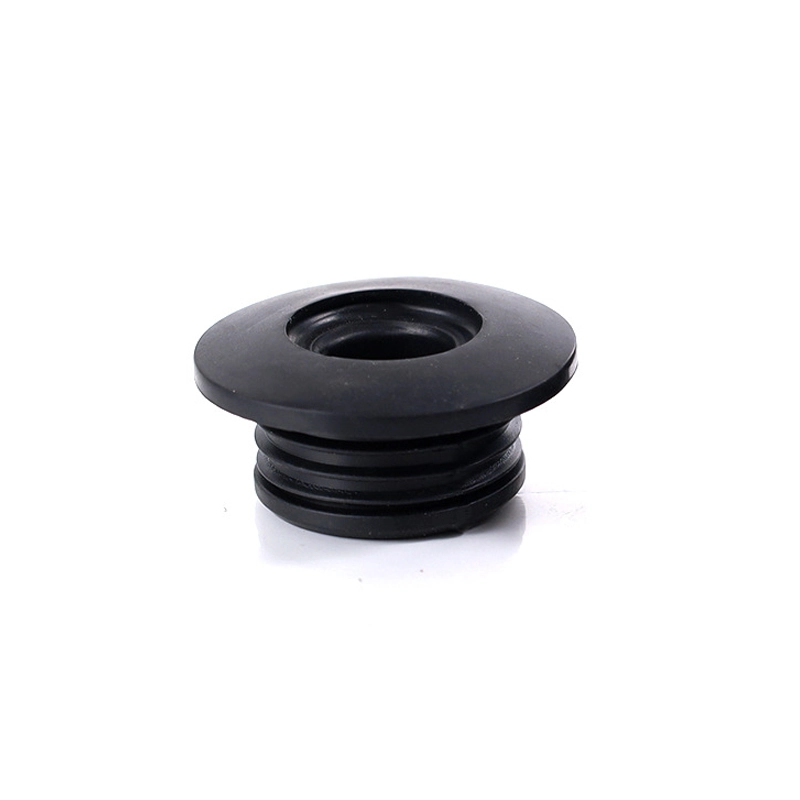 Urinal Sensor Inlet Seal Gasket Factory Replacement
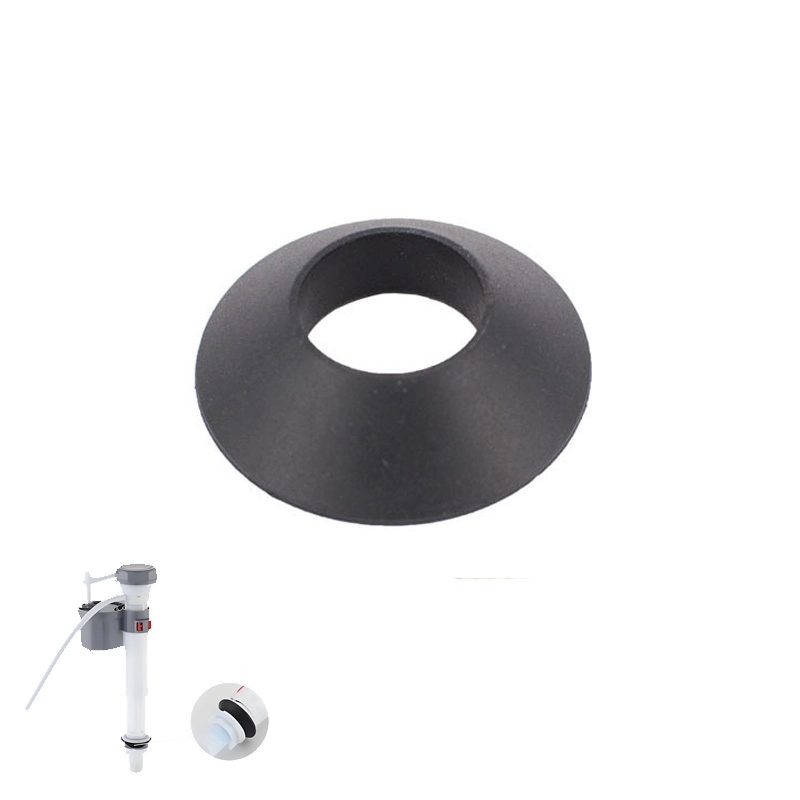 Toilet Tank Fill Valve Conical Seal Factory Replacement
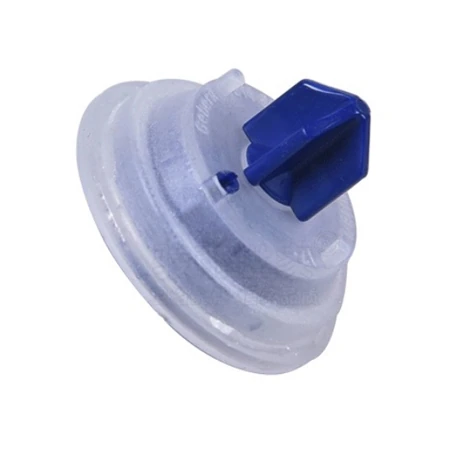 Wholesale Toilet Cistern Inlet Valve Diaphragm Washers
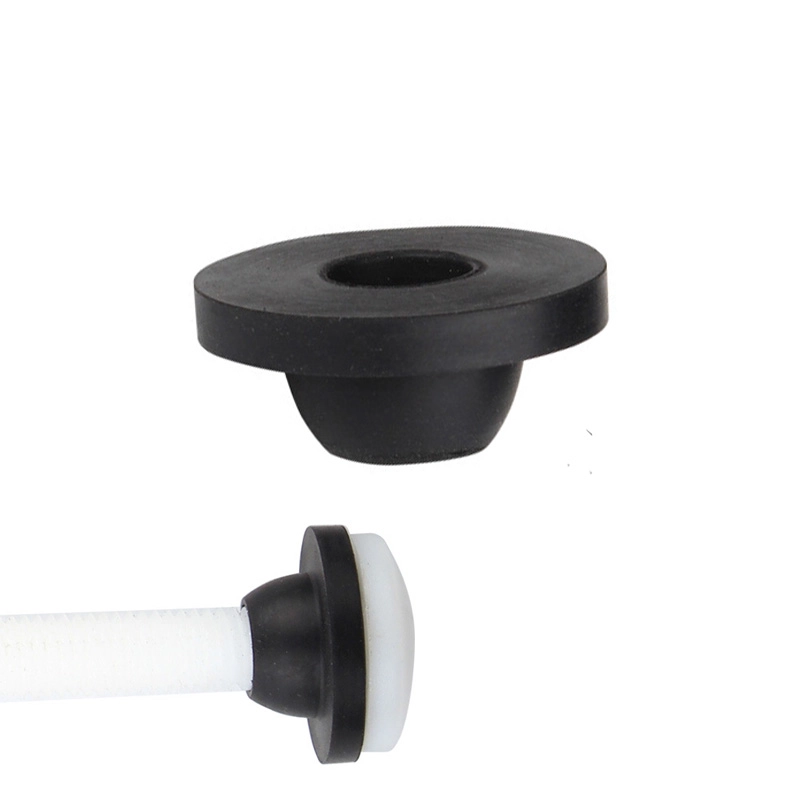 Conical Rubber Washers for Toilet Bolts Factory Wholesale