

How to Determine the Size Specifications of Toilet Tank Flush Valve Seals Across Different Brands?
To determine the size specifications of toilet tank flush valve seals across different brands, the core is to "measure key parameters of the old seal/valve body + verify brand model + match structure and material." Prioritize original specifications; for universal parts, strictly align dimensions. Below is a systematic method and practical operation steps:
I. Core Parameters & Measurement Methods (Accurate Measurement Is Prerequisite)
You need to measure 3 key dimensions and 1 structural parameter. A vernier caliper (precision 0.02mm) is preferred to avoid errors caused by a tape measure.
| Parameter | Measurement Position | Operation Points | Common Specifications (Reference) |
|---|---|---|---|
| Inner Diameter (ID) | Inner ring of the seal or inner diameter of the valve body’s sealing groove | Attach the measuring jaws tightly to the inner wall and take the average of 3 measurements | Tower-type valve: 64mm; Can-type valve: 35-60mm; Base gasket: 53-75mm |
| Outer Diameter (OD) | Outer ring of the seal or outer diameter of the valve body’s sealing groove | Attach the measuring jaws tightly to the outer wall and take the average of 3 measurements | Base gasket: 75-90mm; Tower-type valve: 70-80mm |
| Cross-Sectional Thickness | Side of the seal (without stretching) | Measure the vertical cross-section, avoiding the lip | Regular: 2-3mm; High-pressure valve: 3-5mm |
| Structure Matching | Seal type, lip orientation, groove position | Take photos to record the structure (tower-type/can-type/split-type) | Lip faces the water flow side; Flat bottom/irregular groove must match |
Key Tip: If the old seal is lost or damaged, measure the sealing groove on the valve body directly — its dimensions must be completely consistent with the new seal to ensure effective sealing.
II. 4 Determination Paths (From Easiest to Most Complex, Covering All Scenarios)
1. Check Original Markings (Most Accurate)
Remove the old seal and check for model/size markings (e.g., K-GP1059291, THU128); the valve body usually has a brand logo and model.
Visit the brand’s official website or after-sales manual, enter the toilet model (e.g., CW844RB, K-3949), and obtain the original seal specifications and part number.
2. Measure the Old Seal/Valve Body (Most Universal)
Steps: Turn off the water supply → Drain the tank → Remove the flush valve → Take off the seal → Measure inner diameter/outer diameter/thickness with a caliper → Record the structure (lip, groove position) → Take photos for reference.
Key Point: The size of the sealing groove must match the seal exactly — a 1mm size deviation may cause water leakage.
3. Verify Universal Standards (Quick Matching)
Mainstream universal specifications: Tower-type valve seal (inner diameter 64mm, thickness 2mm); Base gasket (65-75mm); 2-inch/3-inch valves correspond to matching seals.
Note: Universal parts are only suitable for conventional tower-type valves, not for dedicated valves such as can-type/pneumatic valves.
4. Consult Brand After-Sales/Suppliers (Professional Backup)
Provide the toilet model, photos of the flush valve, and measured dimensions to obtain the compatible seal model; for OEM cooperation, provide drawings for customization.
III. Common Brand Specification Reference (Avoid Blind Mixing)
| Brand | Typical Model | Seal Specifications (ID/OD/Thickness) | Compatibility Tips |
|---|---|---|---|
| Kohler | K-GP1059291 | 69mm/80mm/2mm | Dedicated for can-type valves; Not compatible with universal 64mm tower-type parts |
| TOTO | THU128 | 35mm/90mm/3mm | Dedicated for 3-inch valves; Incompatible with universal 64mm tower-type seals |
| Universal | Tower-Type Universal | 64mm/75mm/2mm | Fits most conventional tower-type valves; Not for irregular structures |
IV. Pitfall Avoidance Key Points (Reduce Mixing Risks)
Do not mix seals just because they "look similar" — dimensions and structure must match completely.
For dedicated structures (can-type/pneumatic/irregular grooves), prioritize original parts; universal parts are prone to water leakage.
Choose silicone/EPDM rubber materials for water resistance and aging resistance; high-end valves require food-grade silicone.
Clean the sealing groove before measurement to avoid limescale/impurities affecting measurement accuracy.
V. Practical Operation Flow (Quick Implementation)
First check original markings/toilet model to obtain factory specifications.
If no original information is available, measure the old seal and record 3 dimensions + structure.
Select original parts or universal parts with the same parameters; reject products with mismatched dimensions/structures.
After installation, replenish water for testing and observe for 10-15 minutes — no water leakage indicates normal use.
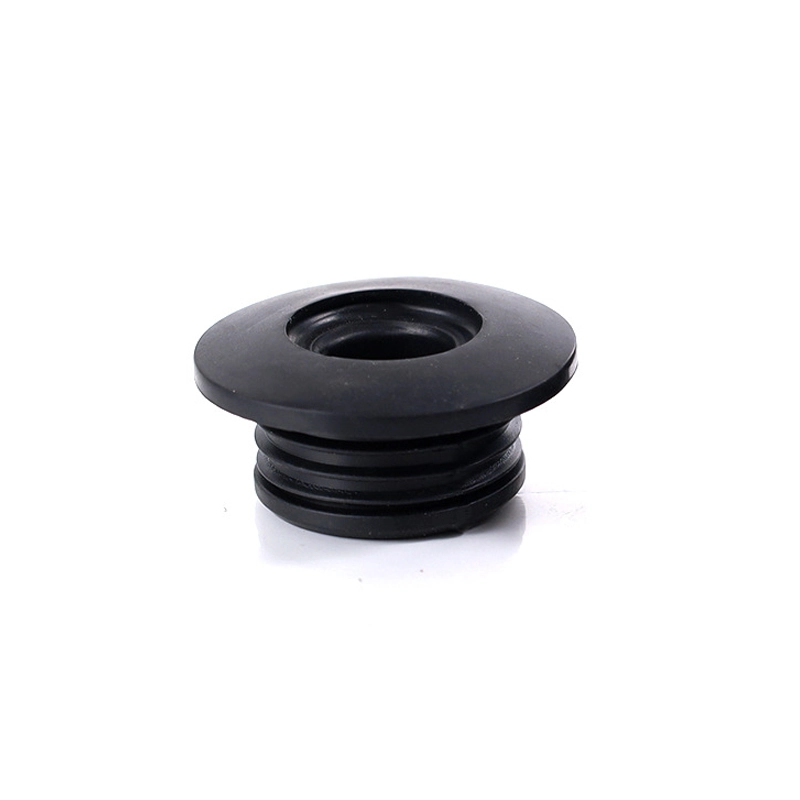 Urinal Sensor Inlet Seal Gasket Factory Replacement
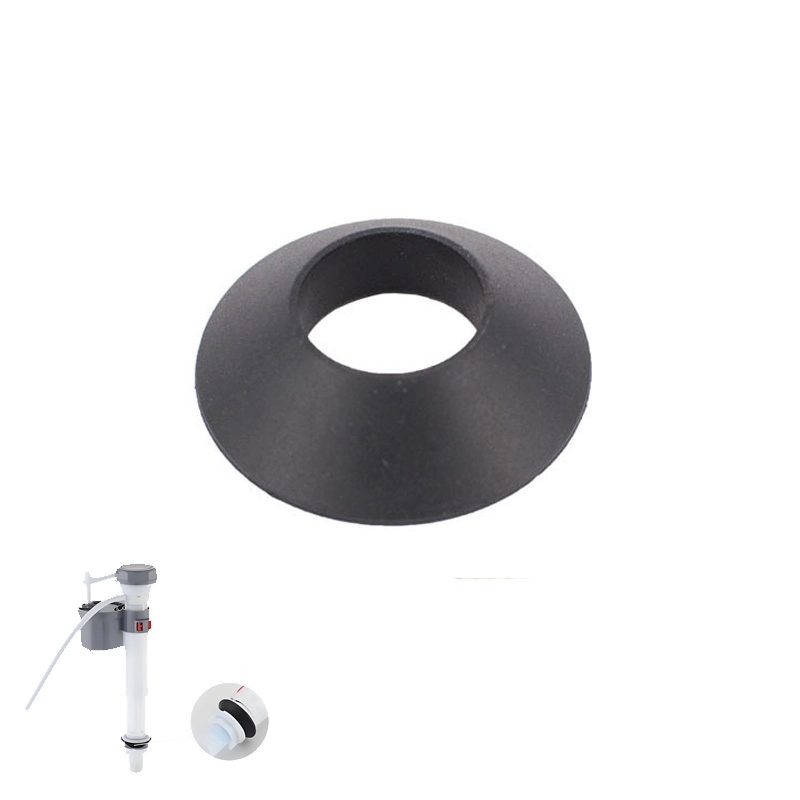 Toilet Tank Fill Valve Conical Seal Factory Replacement
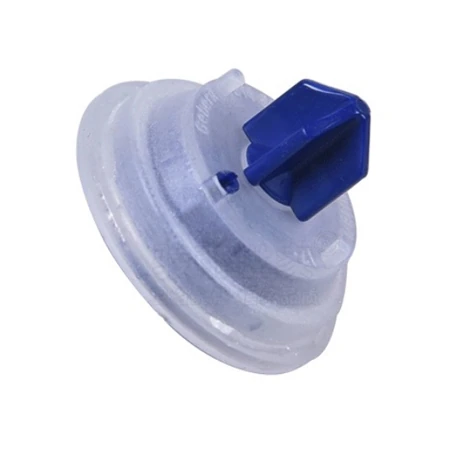 Wholesale Toilet Cistern Inlet Valve Diaphragm Washers
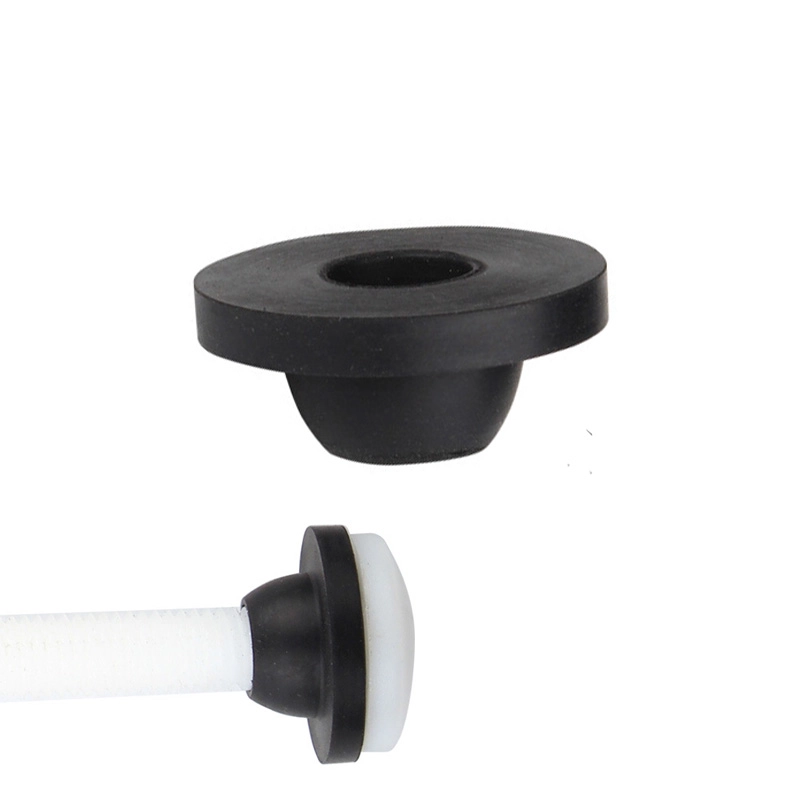 Conical Rubber Washers for Toilet Bolts Factory Wholesale