

What countries still use squat toilet?
Squat toilets remain widely used in most countries across Asia, Africa, and the Middle East due to their cleanliness and alignment with local living habits. They are also relatively common in public areas of some European countries. The specific country distribution is as follows:
1. Asia (Most Concentrated Usage Region)
Once the mainstream choice in China and India, squat toilets are still very common in rural areas and most public toilets;
Although smart toilets are popular in Japan and South Korea, squat toilets are still retained in public areas and some old buildings;
In Southeast Asian countries such as Thailand, Vietnam, Cambodia, and Laos, squat toilets are a common configuration in both public toilets and residential homes;
Additionally, squat toilets are widely used in Pakistan, Bangladesh, Indonesia, Malaysia, Sri Lanka, and other countries, as they adapt to local hygiene habits.
2. Africa (Popular in Rural Areas)
Squat toilets are mostly prevalent in rural regions and also equipped in some urban public facilities. For example, in Sub-Saharan African countries like Kenya, Rwanda, Tanzania, and Uganda, squat pit latrines are the mainstream toilet type in rural areas;
Over 70% of the rural population in The Gambia uses squat latrines and prefers water for cleaning;
Affected by traditional lifestyles, squat toilets are common in both public and private settings in countries such as Egypt, Sudan, and Zimbabwe.
3. Middle East (Both Squat and Sitting Toilets Available)
Traditional squat toilets in Turkey have a unique design with footrests, known locally as "Alaturka Tuvalet";
In Muslim countries including Saudi Arabia, Iran, Iraq, Kuwait, and Yemen, squat toilets are prevalent in both public toilets and homes due to hygiene habits related to religion, facilitating cleaning with water.
4. Europe (Mainly in Public Areas)
Squat toilets are rarely found in households and are mainly concentrated in public spaces. They are often seen in highway service areas in France, some old public toilets in Italy, and public restrooms in Greece and the Balkan Peninsula;
Additionally, squat toilets can occasionally be found in rural areas and some public buildings in countries like Portugal and Lithuania, mostly to adapt to traditional usage habits or for cleaning convenience.
Note: The usage of squat toilets is closely related to factors such as local hygiene habits, cultural traditions, and economic conditions. Even in countries where sitting toilets are mainstream, squat toilets are often retained in public facilities to meet the needs of different groups.
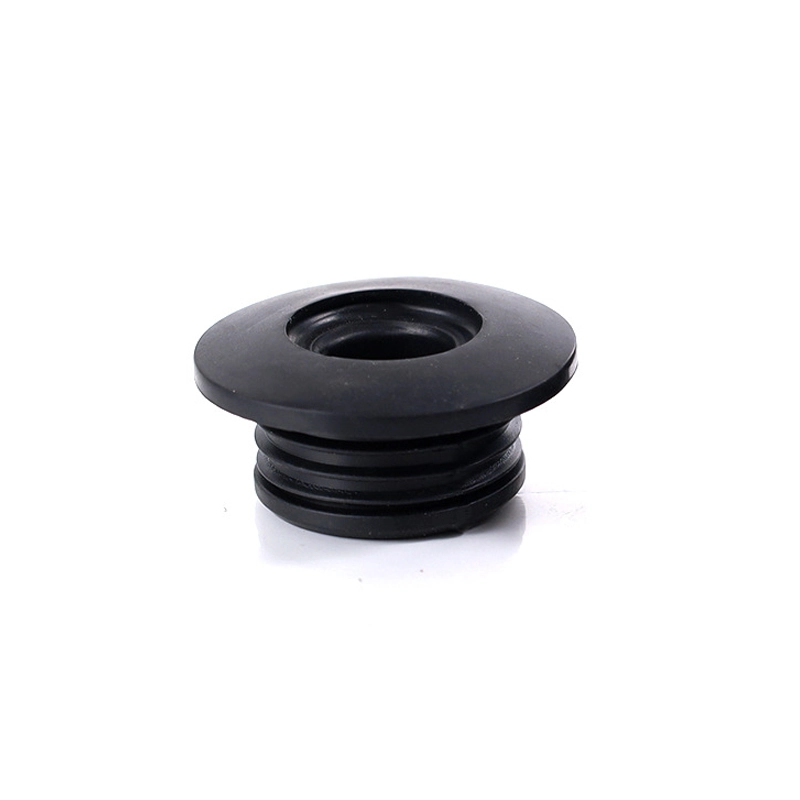 Urinal Sensor Inlet Seal Gasket Factory Replacement
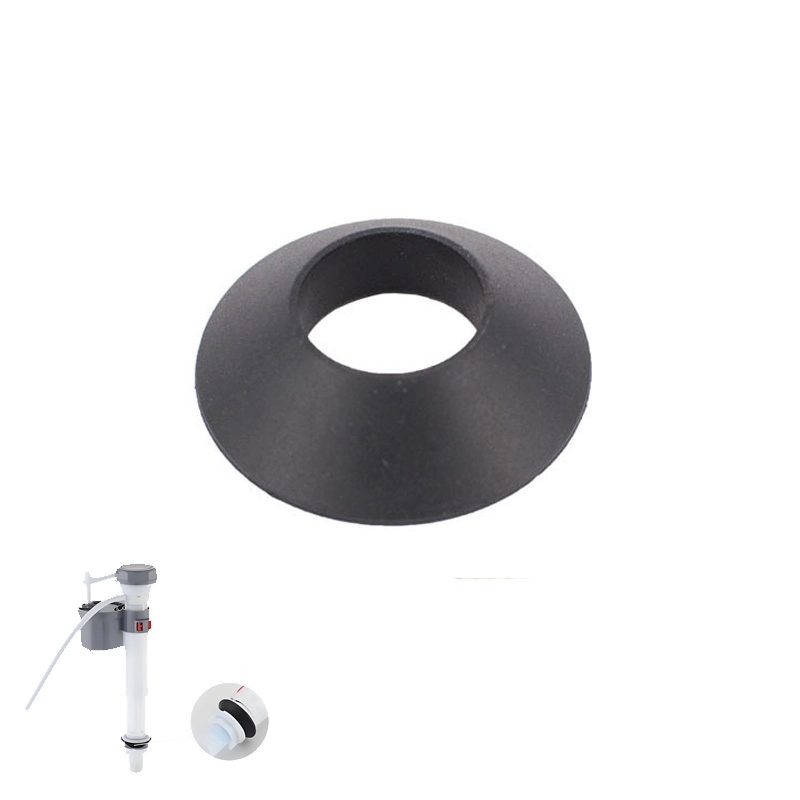 Toilet Tank Fill Valve Conical Seal Factory Replacement
 Wholesale Toilet Cistern Inlet Valve Diaphragm Washers
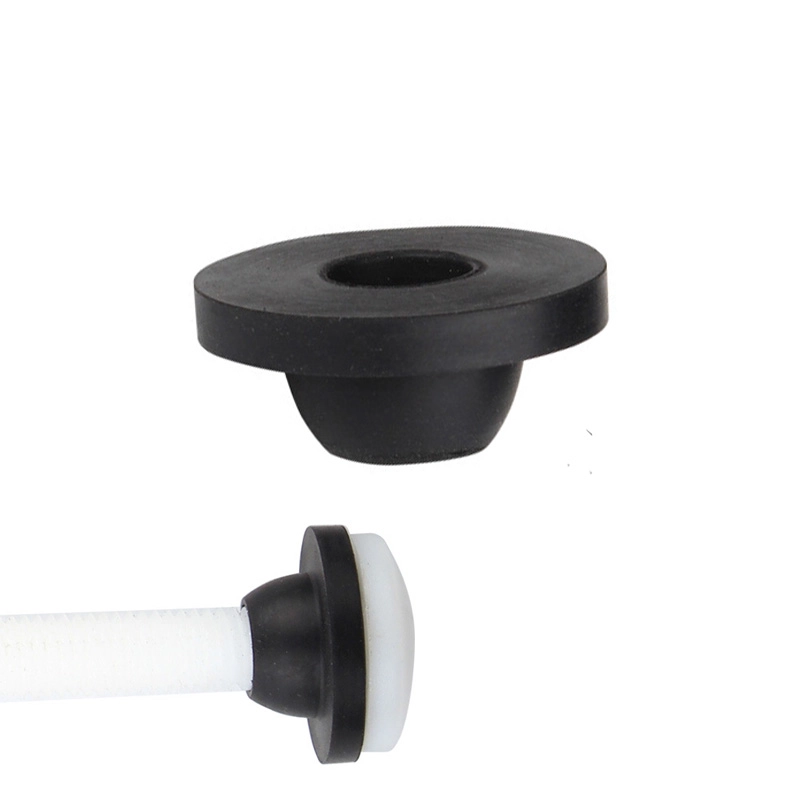 Conical Rubber Washers for Toilet Bolts Factory Wholesale