

How can I tell if my toilet fill valve needs to be replaced?
The fill valve (ballcock) is the "workhorse" of your toilet—responsible for refilling the tank after flushing. Most last 5–7 years, but wear, mineral buildup, or damage can force early replacement. Below are the clear signs it’s time to replace (not repair) your fill valve, plus easy checks to confirm.
1. Key Symptoms of a Failing Fill Valve
Symptom 1: Constantly Running Toilet (Won’t Stop Refilling)
Why it happens: The fill valve’s internal diaphragm/seal is worn, or the float (ball/cup) is stuck. Even if you adjust the float, water keeps flowing into the overflow tube (the tall plastic pipe in the tank).
Test: Turn off the toilet’s water supply (shutoff valve behind the toilet). If the running stops, the issue is the fill valve (not the flush valve/flapper).
Symptom 2: Slow or Weak Refill (Tank Takes Minutes to Fill)
Why it happens: Mineral buildup (limescale) clogs the valve’s inlet filter or internal passages—common in homes with hard water. Even after cleaning, the flow remains slow (a sign the valve is degraded).
Normal refill time: 30–60 seconds. If it takes >2 minutes, the valve is failing.
Symptom 3: Noisy Operation (Hissing, Whistling, or Hammering)
Why it happens:
Hissing/whistling: Air is trapped in the valve, or the internal valve seat is worn.
Water hammer: The valve closes too abruptly (damaged internal springs/seals).
Note: Temporary fixes (e.g., cleaning the valve) may quiet it, but noise returns quickly if the valve is worn.
Symptom 4: Leaks Around the Fill Valve Base
Why it happens: The rubber gasket (seal) between the fill valve and the tank bottom is cracked, or the valve body itself is split. You’ll see water pooling on the floor behind the toilet, or dampness under the tank.
Warning: Leaks can damage flooring/cabinets—replace the valve immediately.
Symptom 5: Float (Ball/Cup) Is Damaged or Stuck
Why it matters: The float controls how much water fills the tank. If:
A traditional ball float is cracked (fills with water and sinks), or
A modern cup float is stuck (won’t rise/fall to shut off water),
While you can replace the float alone, a damaged float often means the rest of the valve is near failure (cheaper to replace the whole valve).
Symptom 6: Overflowing Tank (Water Spills Into Overflow Tube)
Why it happens: The fill valve can’t shut off water flow, even when the tank is full. Water spills into the overflow tube and down into the bowl—wasting hundreds of gallons of water daily.
Emergency fix: Turn off the water supply immediately; replace the valve within 24 hours.
2. Easy DIY Checks to Confirm a Failing Fill Valve
1 Visual Inspection: Remove the tank lid and look for:
Cracks, discoloration, or warping on the valve body (plastic valves degrade over time).
Corrosion on metal parts (e.g., mounting bolts, inlet tube).
Mold/mildew around the valve base (sign of slow leaks).
2 Clean & Test (Hard Water Check):
Turn off water, remove the valve’s inlet filter (small mesh screen at the bottom), and clean it with vinegar (to remove limescale).
Reinstall and turn on water. If refill is still slow/weak, the valve is irreparably clogged (replace it).
3 Float Adjustment Test:
Adjust the float to raise/lower the water level (follow valve instructions).
If the water level won’t stay consistent (too high/too low) or the valve won’t shut off, it’s time to replace.
3. Repair vs. Replace: When to Fix the Valve (vs. Replace It)
| Scenario | Repair (Yes/No) | Replace (Yes/No) |
|---|---|---|
| Clogged inlet filter (slow refill) | Yes (clean filter) | No (only if cleaning doesn’t help) |
| Float is stuck (easy to free) or cracked | Yes (replace float only) | No (if valve is<3 years old) |
| Worn diaphragm/seal (constant running) | No (parts hard to find; cheap to replace valve) | Yes |
| Leaks at valve base (gasket or cracked body) | No (gasket replacement is temporary; cracked body = unfixable) | Yes |
| Valve is >5 years old (any recurring issues) | No (cost of repairs = cost of new valve) | Yes |
| Noise (whistling/hissing) that returns after cleaning | No (internal wear can’t be fixed) | Yes |
Critical Warning: If you notice water damage (e.g., warped flooring, mold, or water stains on walls) from a leaking fill valve, replace it immediately. Delaying repair/replacement can lead to costly structural damage.
Pro Tips for Replacement:
1. Buy a universal adjustable fill valve (fits 95% of toilets) – brands like Fluidmaster 400A or Kohler GP1083167 are reliable and cost $10–$20.
2. Replace the water supply line (1/2-inch compression) at the same time if it’s >5 years old (prevents future leaks).
3. Turn off the main water supply to your home if the toilet’s shutoff valve is stuck (common in older homes) – use a bucket to catch residual water.
4. After replacement, test the valve by flushing 2–3 times to ensure it refills quickly and shuts off properly.
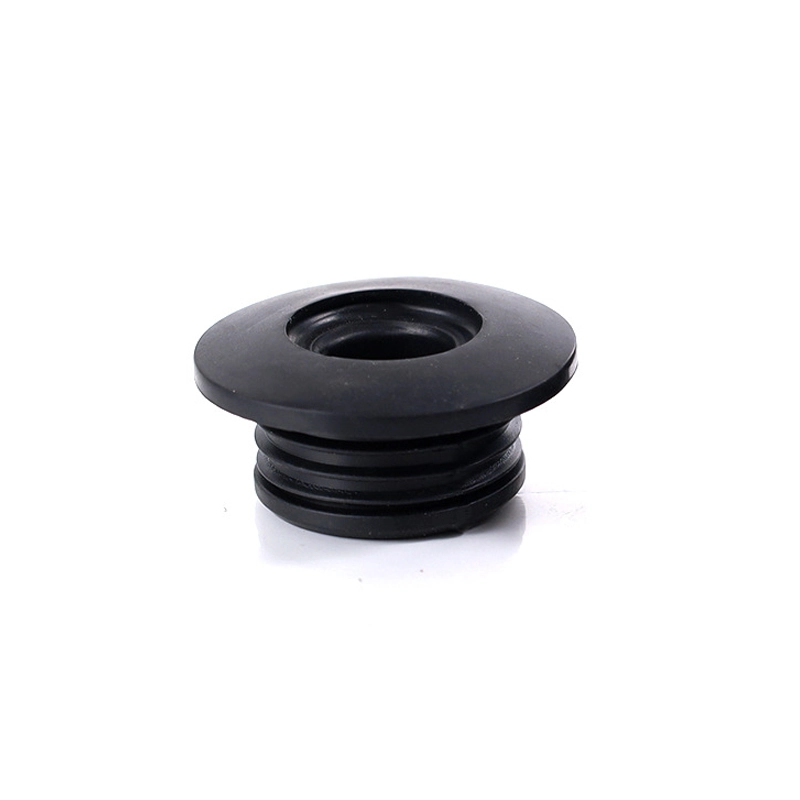 Urinal Sensor Inlet Seal Gasket Factory Replacement
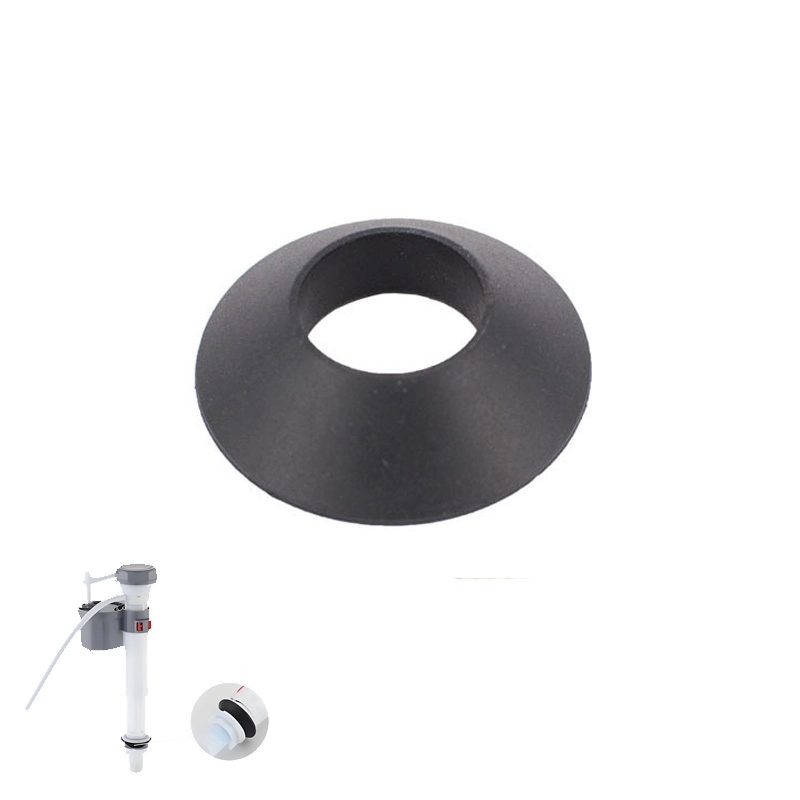 Toilet Tank Fill Valve Conical Seal Factory Replacement
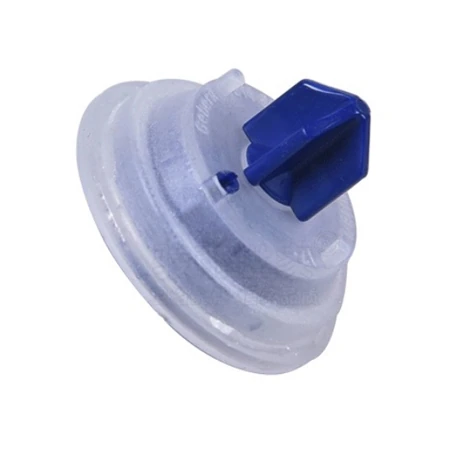 Wholesale Toilet Cistern Inlet Valve Diaphragm Washers
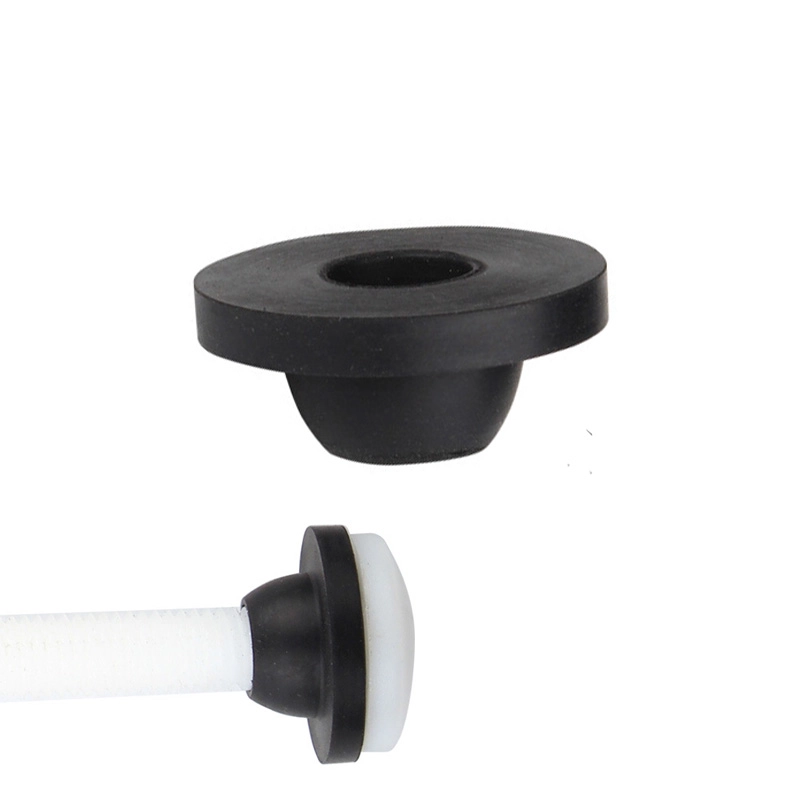 Conical Rubber Washers for Toilet Bolts Factory Wholesale