

What are the signs that my toilet flush valve is failing?
Key Signs Your Toilet Flush Valve Is Failing
The flush valve controls water flow from the tank to the bowl—failure leads to wasted water, weak flushes, or leaks. Below are the most common warning signs, ranked by severity:
1. Constantly Running Toilet HIGH
Water continuously flows from the tank to the bowl (you’ll hear a faint hissing or trickling sound). This is the #1 sign of a failing flush valve: the flapper (for standard valves) or canister seal (for modern valves) no longer seals tightly, letting water leak through. Test: Add a few drops of food coloring to the tank—if color seeps into the bowl without flushing, the flush valve seal is broken.
2. Weak or Incomplete Flush MEDIUM
The toilet doesn’t flush fully (waste remains in the bowl, or water rises then slowly drains). This happens when the flush valve can’t open fully (stuck flapper/canister) or the valve opening is clogged (mineral buildup), restricting water flow. Even multiple flushes won’t fix it—this means the valve is degraded or blocked.
3. Leaks at the Base of the Tank HIGH
Water pools on the floor under/behind the toilet, or you see dampness between the tank and bowl. This is caused by a worn/cracked flush valve gasket (the rubber seal between the valve and tank) or a cracked valve body. Leaks risk water damage to flooring/cabinets—address immediately.
4. Flapper/Canister Stuck Open/Closed MEDIUM
For flapper-style valves: The rubber flapper sticks to the valve seat (won’t lift for flushing) or stays open (won’t seal after flushing). For canister-style valves: The cylindrical canister jams (won’t rise/fall). This is due to mineral buildup or worn parts—even manual adjustment only works temporarily.
5. Visible Damage to the Valve HIGH
Remove the tank lid and check for:
Cracks, warping, or discoloration on the valve body (plastic degrades over time).
Tears, brittleness, or mold on the flapper/canister seal.
Corrosion on metal valve parts (e.g., mounting bolts).
Visible damage means the valve can’t seal or function properly—repairs won’t last.
6. Noisy Flushing (Gurgling/Clanging) LOW
Loud gurgling, clanging, or splashing when flushing. This is a early warning sign: air is trapped in the valve, or the flapper/canister isn’t closing smoothly. While it’s not an emergency, it means the valve is wearing out and will fail soon.
7. Tank Drains Slowly After Flushing LOW
After flushing, the tank takes far longer than normal to empty (or drains partially). This is caused by mineral buildup in the valve opening or a worn valve that restricts water flow—an early sign of impending failure (cleaning may help temporarily, but replacement is needed long-term).
1. Turn off the toilet’s water supply (shutoff valve behind the toilet).
2. Flush the toilet to empty the tank.
3. If the tank stops leaking into the bowl: The flush valve (not fill valve) is the problem.
4. If water still leaks into the bowl: The flush valve seal is completely failed (replace immediately).
Replace the flush valve if you see: constant running, leaks at the tank base, visible damage, or weak flushes that don’t improve with cleaning. For minor signs (noisy flushing, slow drain), repair (replace flapper/seal) first—but if issues return, replace the full valve (costs $20–$50 and lasts 5–7 years).
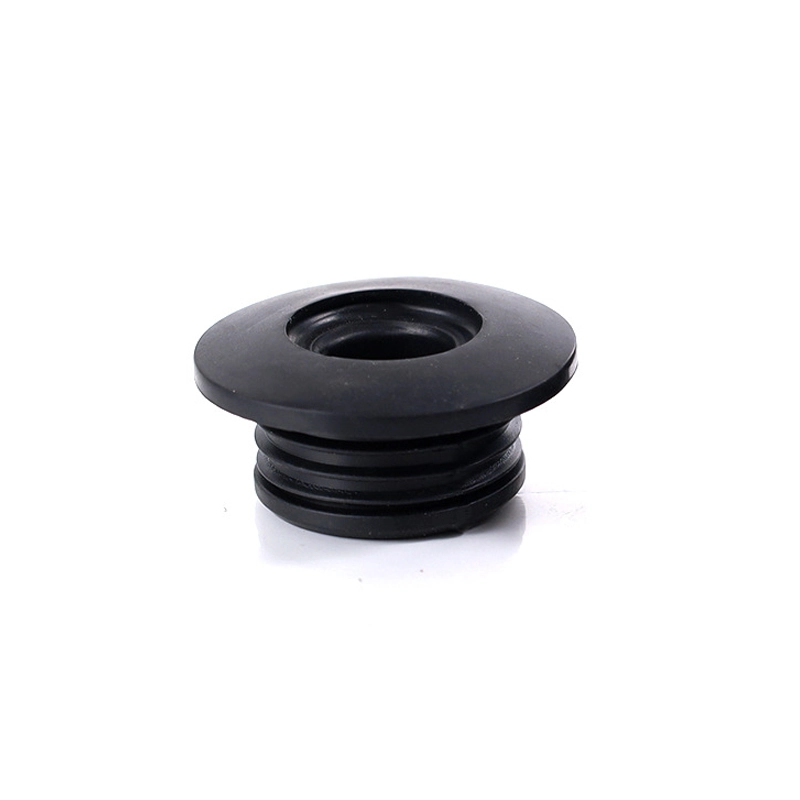 Urinal Sensor Inlet Seal Gasket Factory Replacement
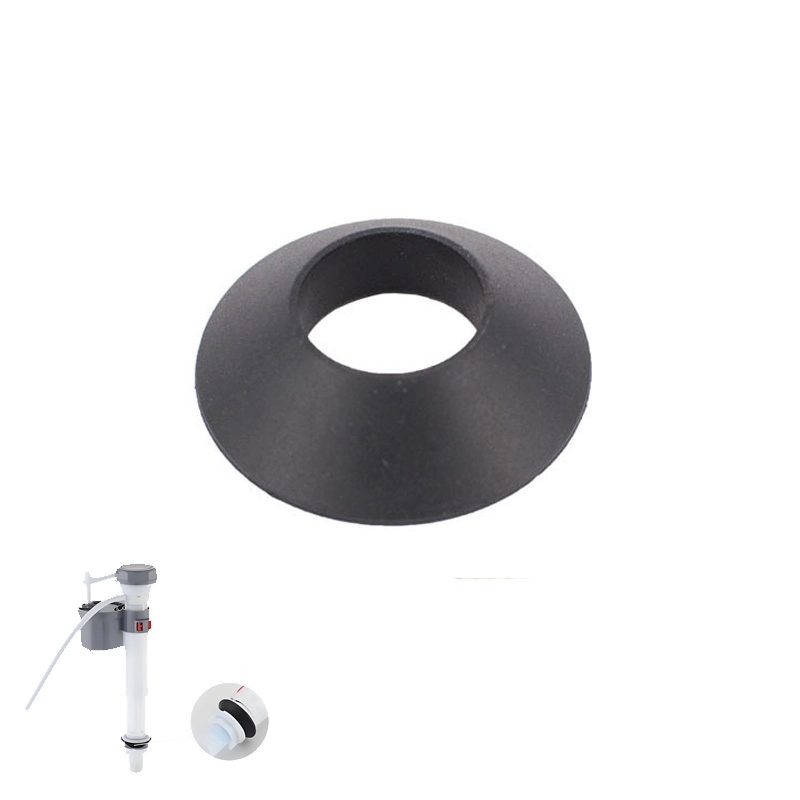 Toilet Tank Fill Valve Conical Seal Factory Replacement
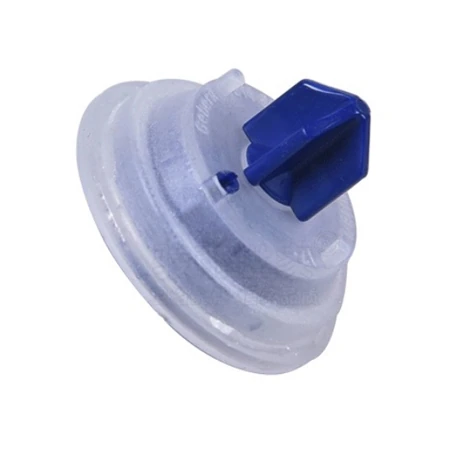 Wholesale Toilet Cistern Inlet Valve Diaphragm Washers
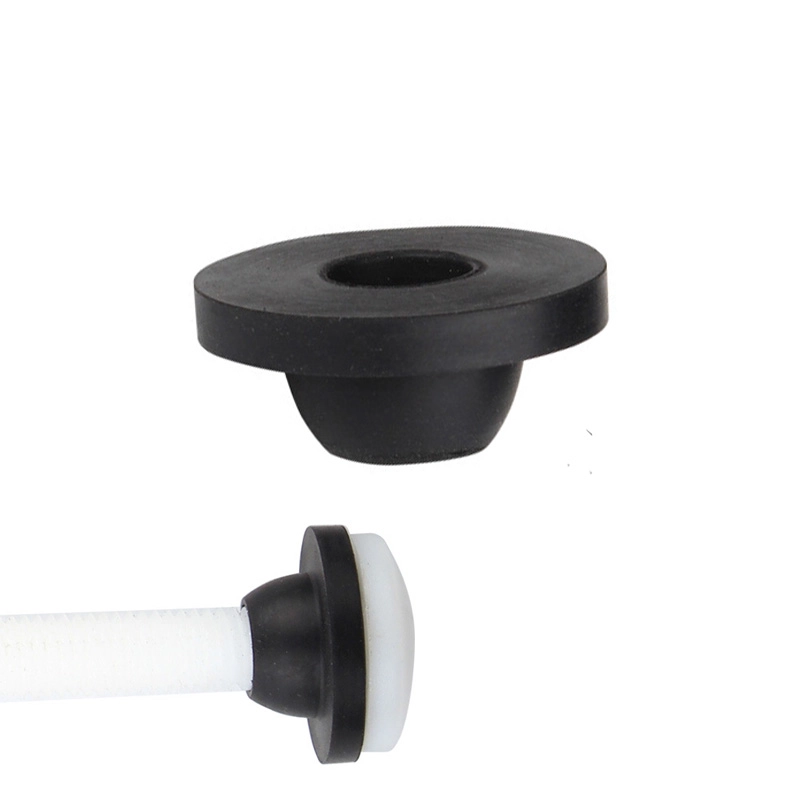 Conical Rubber Washers for Toilet Bolts Factory Wholesale