

What are the different types of toilet flush valves available?
Types of Toilet Flush Valves (Key Designs & Uses)
Toilet flush valves control water flow from the tank to the bowl—and the type depends on your toilet’s age, design, and efficiency rating. Below are the 4 main types, with their features, pros/cons, and typical applications:
The most common type in residential toilets (pre-2000s and many modern standard models). It uses a rubber flapper to seal the valve opening and a chain connected to the toilet handle.
2-inch or 3-inch diameter opening (2-inch = standard, 3-inch = high-flow).
Rubber flapper (replaceable) that lifts when the handle is pressed, then falls to seal the valve.
Simple mechanical design (no electronics).
Cheap ($10–$20 for replacement).
Easy to repair/replace (universal parts).
Compatible with most standard toilets.
Flapper wears out quickly (3–5 years) → leaks/running toilet.
Less efficient than canister valves (uses more water).
Mineral buildup can cause sticking.
The modern replacement for flapper valves—used in high-efficiency toilets (HETs) and dual-flush models (post-2000s).
Tall, cylindrical plastic canister (no flapper) that lifts straight up to release water.
Large 3-inch diameter opening (maximizes water flow for low-volume flushes).
Rubber seal ring at the base (replaceable) for a tight seal.
High-efficiency (works with 1.28–1.6 GPF toilets).
Better seal (fewer leaks than flapper valves).
Quieter operation.
More expensive ($20–$40 for replacement).
Not universal (some are brand-specific: Toto, Kohler).
Mineral buildup can jam the canister.
A less common design (found in older commercial/industrial toilets or vintage residential models).
Metal/plastic piston that slides up/down to open/close the valve.
Spring-loaded mechanism (no flapper/canister).
Durable but less efficient.
Extremely durable (works for high-use toilets).
Simple mechanical design (few moving parts).
Hard to find replacement parts.
High water usage (2.0+ GPF).
Loud operation.
A variant of the canister valve designed for dual-flush toilets (two flush options: full/partial).
Two-stage operation: "small flush" (liquid waste, ~0.8 GPF) and "full flush" (solid waste, ~1.6 GPF).
Electronic or mechanical control (button-based, no handle).
Sealed canister with adjustable water flow.
Ultra water-efficient (saves 30–50% water vs. standard valves).
Customizable flush volume.
Quiet operation.
Most expensive ($30–$60 for replacement).
Brand-specific (not universal).
More complex to repair (electronic models).
Quick Reference: Flush Valve Types
| Valve Type | Best For | Cost (Replacement) | Key Benefit | Key Drawback |
|---|---|---|---|---|
| Flapper-Style | Older/standard toilets | $10–$20 | Cheap, easy to repair | Flapper wears out fast |
| Canister-Style | High-efficiency toilets | $20–$40 | Water-efficient, fewer leaks | Brand-specific parts |
| Piston-Style | Vintage/commercial toilets | $25–$50 (hard to find) | Durable for high use | High water usage |
| Dual-Flush | Eco-friendly dual-flush toilets | $30–$60 | Max water savings | Expensive, complex |
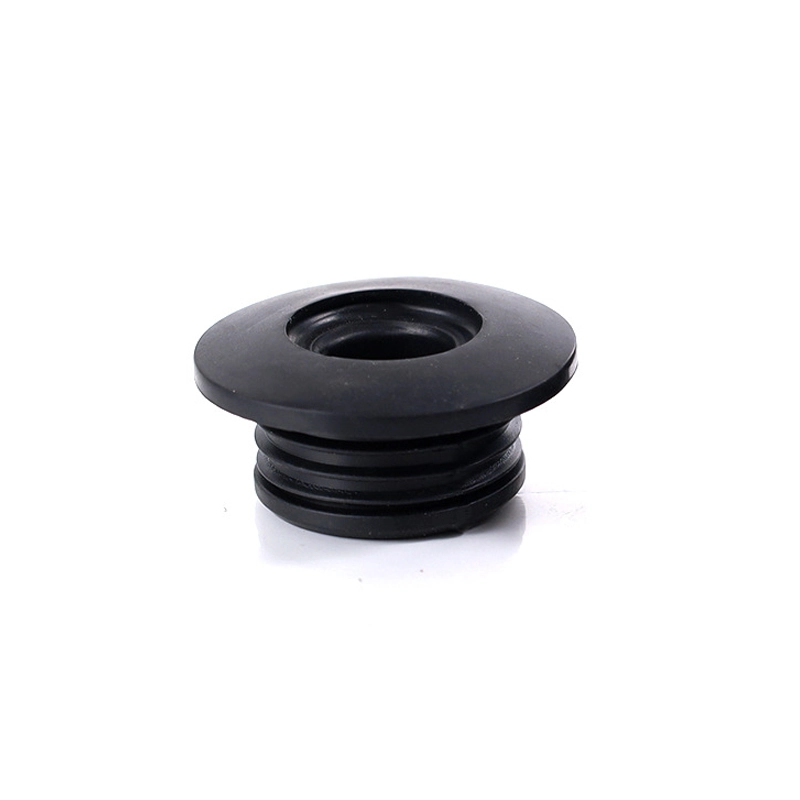 Urinal Sensor Inlet Seal Gasket Factory Replacement
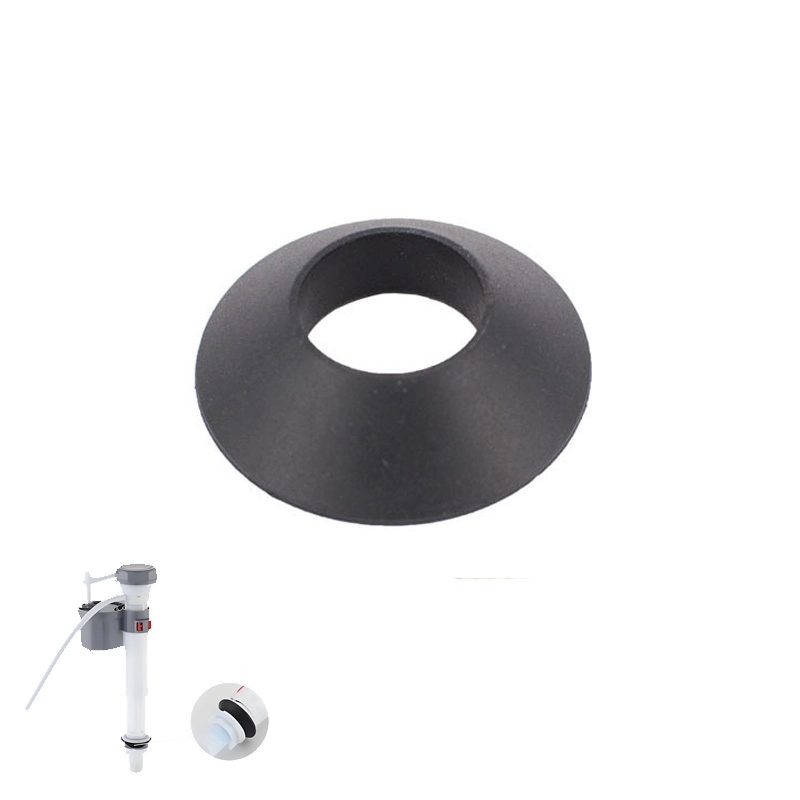 Toilet Tank Fill Valve Conical Seal Factory Replacement
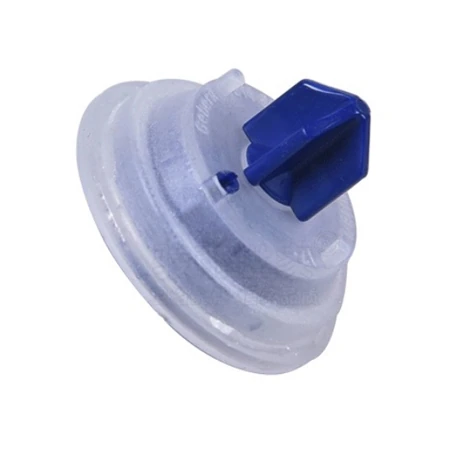 Wholesale Toilet Cistern Inlet Valve Diaphragm Washers
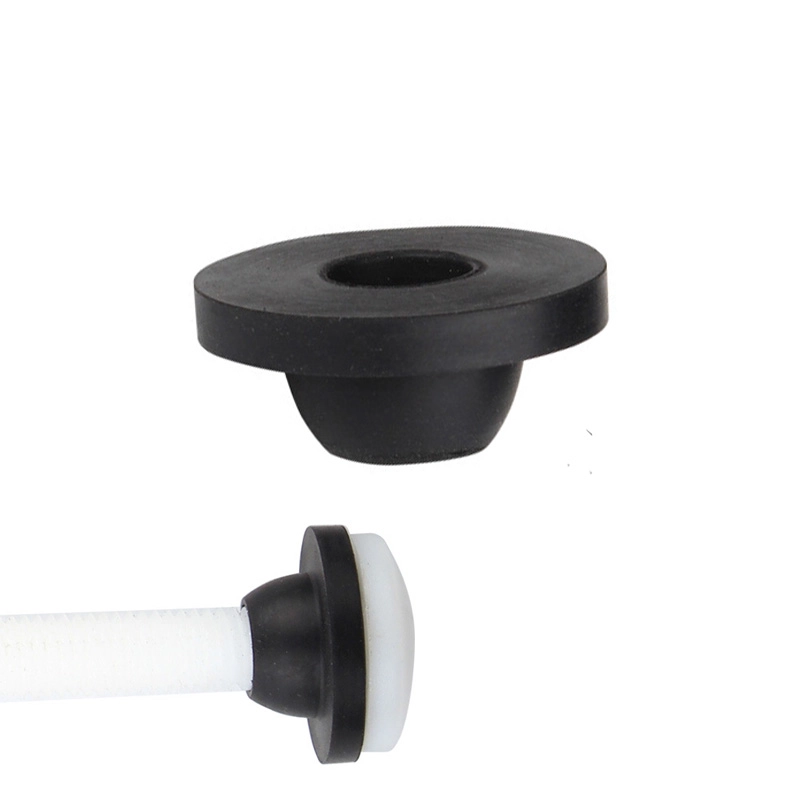 Conical Rubber Washers for Toilet Bolts Factory Wholesale