

Toilet Flush Valve Seal Maintenance Tips: A Complete Guide for Long-Lasting Toilet Performance
Toilet performance depends on small components working perfectly together. Among them, the toilet flush valve seal plays a critical role in preventing leaks, ensuring efficient flushing, and reducing water waste. However, many manufacturers, distributors, and facility managers overlook proper toilet flush valve seal maintenance, which can lead to premature wear, costly repairs, and customer complaints.
In this guide, we’ll cover practical toilet flush valve seal maintenance tips, common problems, and professional solutions—especially useful for toilet manufacturers, water tank producers, distributors, and OEM buyers looking for reliable sealing solutions.
What Is a Toilet Flush Valve Seal?
A toilet flush valve seal is a rubber or silicone component located inside the toilet tank. It creates a watertight seal between the flush valve and the tank to prevent water from leaking into the bowl.
When the seal functions properly:
The toilet holds water efficiently
Flush performance remains strong
Water waste is minimized
Product lifespan increases
However, when the seal wears out, you may notice:
Constant running toilet
Weak flushing
Slow tank refill
Water leakage into bowl
Higher water bills
These problems are extremely common in both residential and commercial toilets.
Why Toilet Flush Valve Seal Maintenance Matters
Regular maintenance of flush valve seals is important for several reasons:
1. Prevent Water Waste
A worn flush valve seal can leak hundreds of gallons of water per day, especially in commercial facilities like:
Hotels
Hospitals
Office buildings
Airports
Shopping malls
Proper maintenance helps reduce operational costs and improve sustainability.
2. Extend Toilet Lifespan
Replacing or maintaining seals prevents damage to:
Flush valves
Fill valves
Toilet tanks
Internal fittings
This reduces long-term maintenance costs.
3. Improve Customer Satisfaction
For toilet manufacturers and distributors, seal performance directly affects:
Product reliability
Brand reputation
After-sales complaints
Using high-quality OEM flush valve seals with proper maintenance guidance can significantly reduce warranty claims.
Common Toilet Flush Valve Seal Problems
Understanding common issues helps you identify maintenance needs early.
1. Seal Hardening
Rubber seals may harden over time due to:
Hard water
Chlorine exposure
Temperature fluctuations
Chemical cleaners
Hardened seals lose flexibility and cannot create a proper seal.
2. Cracks and Deformation
Frequent flushing and water pressure may cause:
Surface cracks
Deformation
Shrinking
This leads to continuous water leakage.
3. Mineral Build-Up
Minerals from hard water may accumulate on the seal surface, causing:
Poor sealing
Rough contact surface
Reduced flush efficiency
This is common in regions with hard water.
4. Improper Installation
Incorrect installation may result in:
Misalignment
Uneven sealing
Premature wear
Proper installation is essential for long-term durability.
Toilet Flush Valve Seal Maintenance Tips
Here are practical maintenance tips recommended by professional manufacturers and OEM suppliers.
1. Regular Inspection
Inspect flush valve seals every:
6 months (commercial use)
12 months (residential use)
Check for:
Cracks
Hardening
Deformation
Mineral build-up
Early detection prevents larger issues.
2. Clean the Seal Properly
Cleaning helps extend seal lifespan.
Recommended cleaning steps:
Turn off water supply
Flush to empty tank
Remove flush valve seal
Clean using mild soap or vinegar
Rinse with clean water
Reinstall carefully
Avoid:
Harsh chemical cleaners
Abrasive brushes
Bleach exposure
These can damage rubber materials.
3. Use High-Quality Materials
Material quality directly affects seal lifespan. Common materials include:
EPDM Rubber
Excellent water resistance
Good chemical resistance
Cost-effective
Widely used in OEM production
Silicone Rubber
Superior temperature resistance
Longer lifespan
Flexible and durable
Ideal for premium toilets
NBR Rubber
Good oil resistance
Moderate durability
Budget-friendly option
For OEM buyers, choosing the right material is critical.
4. Replace Worn Seals Promptly
Even with proper maintenance, flush valve seals eventually wear out.
Recommended replacement cycle:
Residential toilets: 2–4 years
Commercial toilets: 1–2 years
High-traffic facilities: annually
Timely replacement ensures consistent performance.
5. Ensure Proper Installation
When installing flush valve seals:
Align seal correctly
Ensure flat seating surface
Avoid twisting or stretching
Check flush valve compatibility
Incorrect installation shortens seal lifespan.
OEM Toilet Flush Valve Seal Maintenance Advantages
For toilet manufacturers and distributors, working with a professional OEM flush valve seal manufacturer offers several benefits:
Custom Material Options
EPDM
Silicone
NSF-certified materials
Custom hardness levels
Custom Mold Development
Custom dimensions
Brand compatibility
Special design sealing structures
Stable Quality Control
Professional OEM manufacturers provide:
Consistent rubber formulation
Long-term durability
Batch stability
How to Choose a Reliable Flush Valve Seal Supplier
When selecting a supplier, consider:
OEM customization capability
Material certifications (NSF, WRAS, etc.)
Production experience
Quality control system
Minimum order flexibility
Global shipping capability
Reliable suppliers help ensure long-term business success.
Professional Maintenance Tips for Manufacturers and Distributors
If you are selling toilets or toilet components, consider:
Providing maintenance instructions
Offering replacement seal kits
Recommending replacement cycles
Using durable OEM seals
These strategies improve product reliability and reduce complaints.
Conclusion
Proper toilet flush valve seal maintenance is essential for maintaining toilet performance, reducing water waste, and extending product lifespan. Regular inspection, cleaning, and timely replacement can significantly improve efficiency and reliability.
For toilet manufacturers, tank producers, and distributors, partnering with a professional OEM toilet flush valve seal manufacturer ensures:
High-quality materials
Custom designs
Long-term durability
Stable supply
At ZXLSEAL, we specialize in OEM toilet flush valve seals, fill valve seals, urinal seals, and squat toilet tank seals for global manufacturers and distributors. Our custom solutions help improve product performance and reduce maintenance costs.
If you're looking for custom toilet flush valve seal solutions, feel free to contact our team for OEM support.
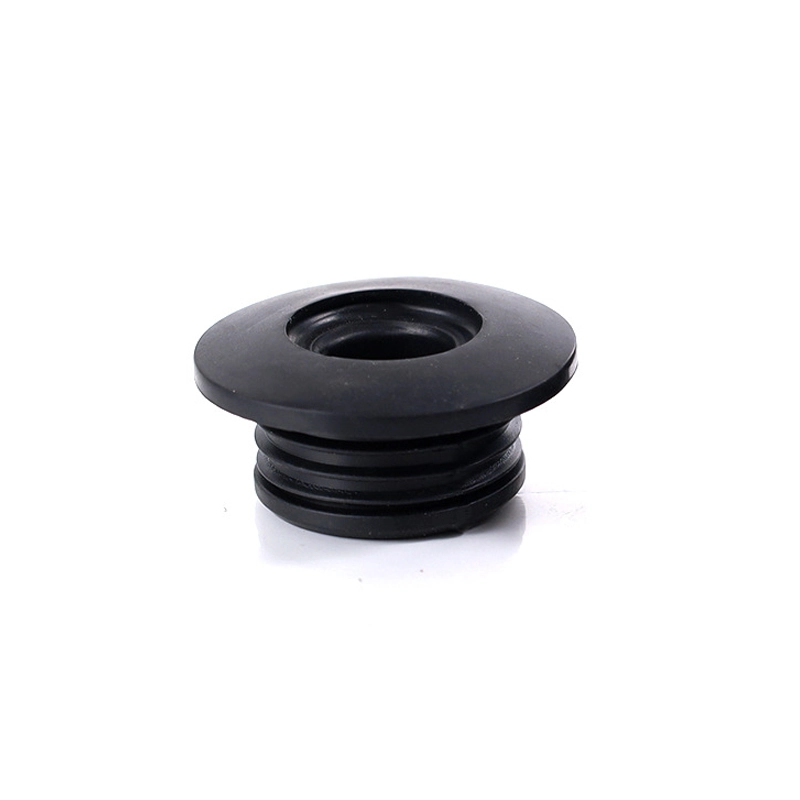 Urinal Sensor Inlet Seal Gasket Factory Replacement
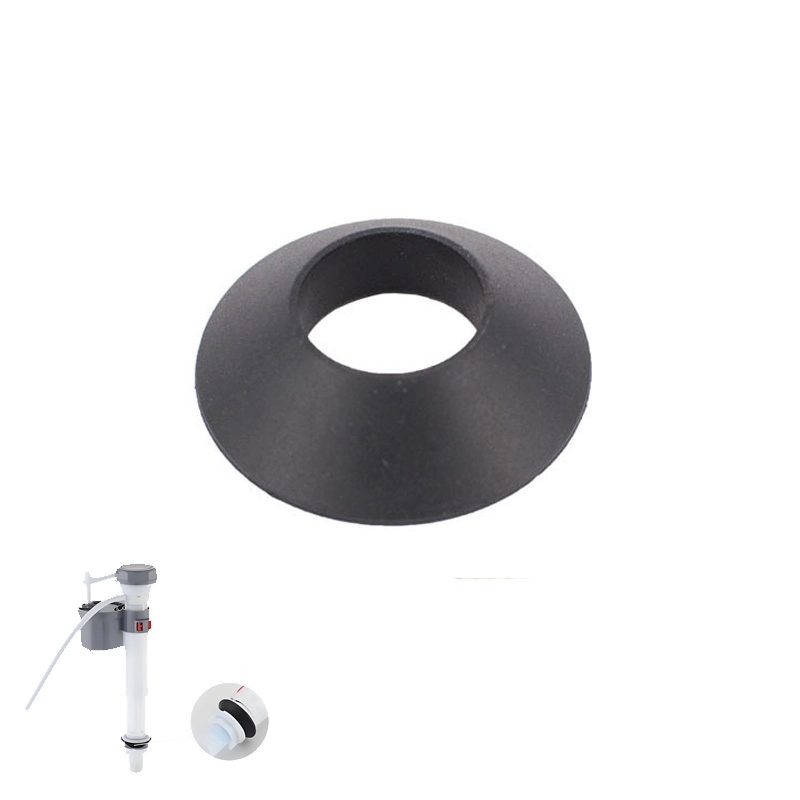 Toilet Tank Fill Valve Conical Seal Factory Replacement
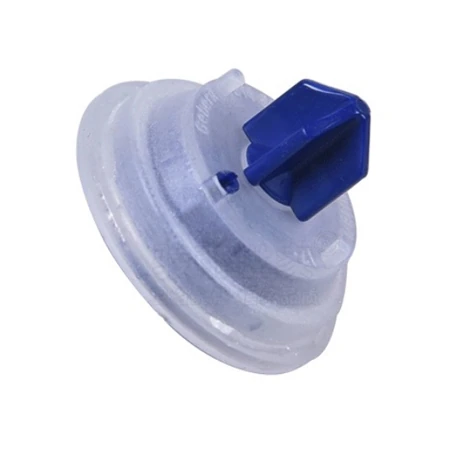 Wholesale Toilet Cistern Inlet Valve Diaphragm Washers
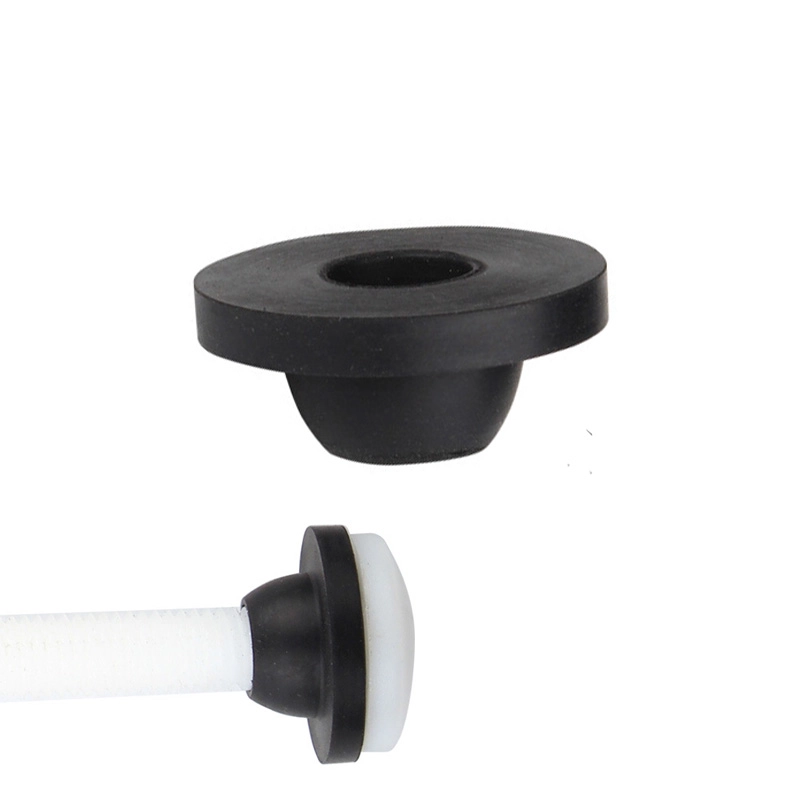 Conical Rubber Washers for Toilet Bolts Factory Wholesale