

How often should I test my toilet flush valve?
How Often to Test Your Toilet Flush Valve (Complete Schedule)
Testing frequency depends on two key factors: test type (quick check vs. deep inspection) and toilet conditions (age, usage, hard water). Below is a prioritized schedule to keep your valve working reliably:
What it checks: Whether the flush valve seal (flapper/canister ring) is leaking water from the tank to the bowl (the most common early failure sign).
How long it takes: 2 minutes (10 minutes of waiting time, no active work).
Why monthly: Small leaks waste 100–1,000 gallons of water monthly and degrade the seal faster over time. Catching them early lets you fix the issue with a cheap seal replacement (vs. full valve replacement).
If your toilet is in a rarely used bathroom (guest room), test every 3 months (stagnant water increases leak risk, but usage is low).
What it checks: Whether the valve opens fully, drains the tank quickly, and flushes the bowl completely (signs of sticking parts or clogs).
How long it takes: 30 seconds per flush (test 2–3 times).
Why every 2 months: Mineral buildup and chain misalignment (flapper valves) can develop gradually. A quick performance check catches issues like weak flushes before they become unusable.
In hard water areas, test monthly (mineral deposits form faster and cause sticking).
What it checks: Visible wear on the flapper/canister seal, chain condition (flapper valves), canister movement (modern valves), and loose mounting bolts.
How long it takes: 5–10 minutes (requires removing the tank lid).
Why every 6 months: Rubber seals harden and chains rust over time—visual inspection lets you spot wear before leaks or failures occur. This is also a good time to adjust chain slack or lubricate canister stems.
For toilets over 5 years old, inspect every 4 months (older valves have more wear-prone parts).
What it checks: Mineral buildup on the valve seat and body, base gasket integrity (tank leaks), and full valve operation after cleaning.
How long it takes: 15–20 minutes (includes soaking parts in vinegar and testing all functions).
Why annually: A deep clean removes hidden mineral deposits that cause sticking and leaks. Combining it with a full function test (leak, performance, physical inspection) ensures the valve is in top condition for the next year.
In hard water areas or for high-use toilets (family bathrooms), deep clean every 6 months.
What it checks: Whether a new seal, chain, or valve was installed correctly (no leaks, proper flushing performance).
How long it takes: 10 minutes (combines food coloring leak test and flush performance test).
Why immediately: Improper installation is a common cause of early valve failure—validating the repair ensures you don’t have to rework the job later.
Flush Valve Testing Schedule (Quick Reference)
| Test Type | Standard Frequency | Adjusted Frequency (Hard Water/Old Toilets) | Key Purpose |
|---|---|---|---|
| Food Coloring Leak Test | Monthly | Monthly | Catch seal leaks early |
| Flush Performance Test | Every 2 Months | Monthly | Check for sticking/clogs |
| Physical Inspection | Every 6 Months | Every 4 Months | Spot wear on seals/chains |
| Deep Clean + Full Test | Annually | Every 6 Months | Remove buildup + validate all functions |
| Post-Repair Validation | Immediately | Immediately | Confirm proper installation |
1. Keep a "toilet maintenance log" – note test dates and results to track wear patterns (e.g., if seals leak every 4 years, set a proactive replacement reminder).
2. For multiple toilets, test one per week (spreads out the work vs. testing all at once).
3. Use dark food coloring (red/blue) for leak tests – it’s easier to spot in the bowl than light colors.
4. After a deep clean, run 2–3 full flushes to ensure all vinegar residue is gone (residue can degrade rubber over time).
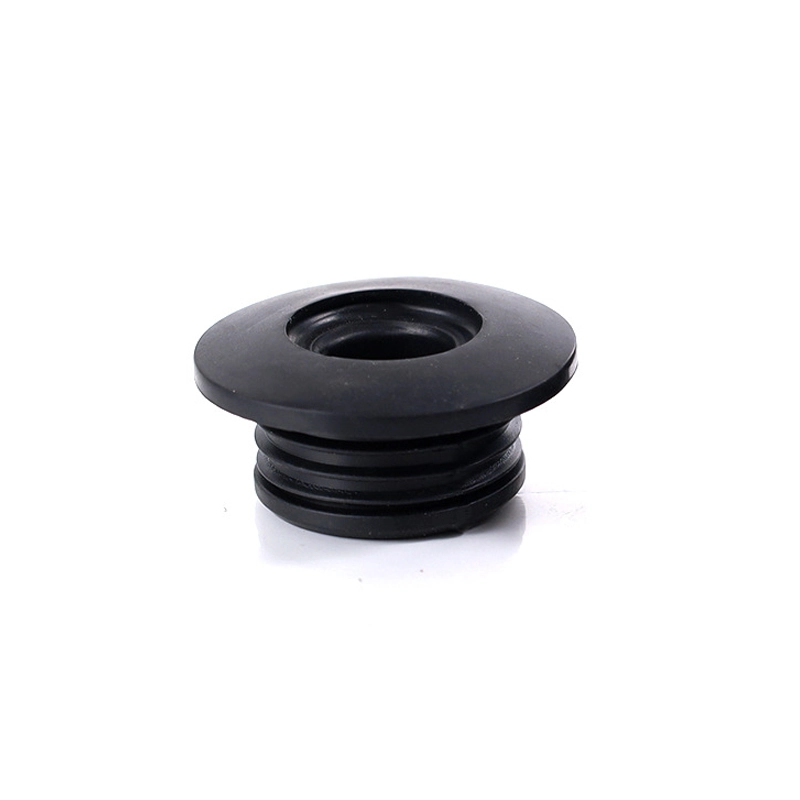 Urinal Sensor Inlet Seal Gasket Factory Replacement
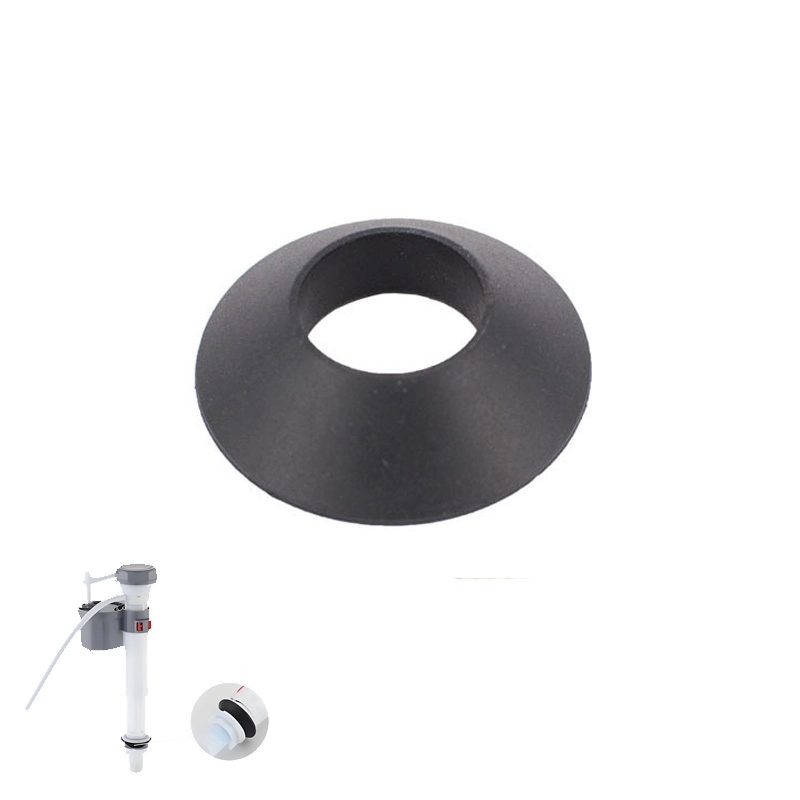 Toilet Tank Fill Valve Conical Seal Factory Replacement
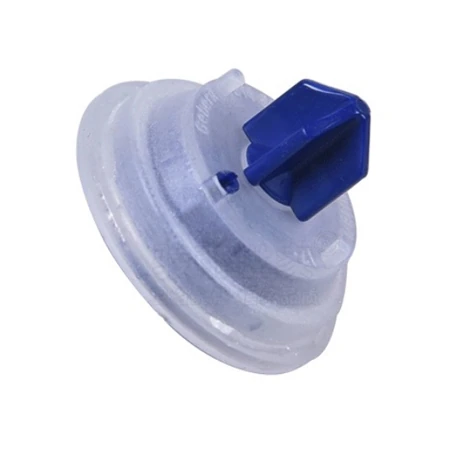 Wholesale Toilet Cistern Inlet Valve Diaphragm Washers
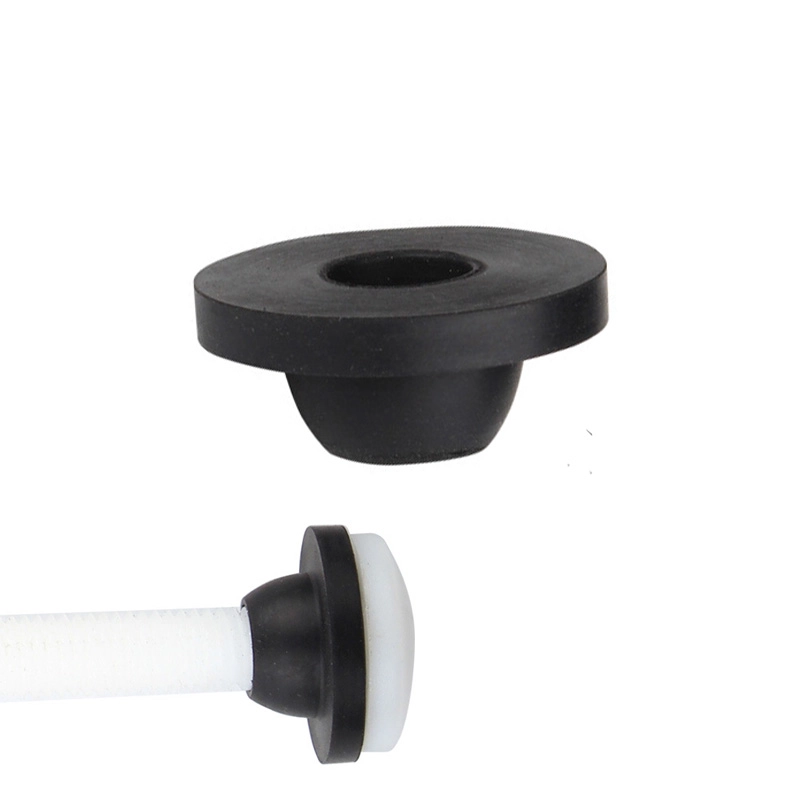 Conical Rubber Washers for Toilet Bolts Factory Wholesale