

How can I test my toilet flush valve?
How to Test Your Toilet Flush Valve (4 DIY Tests)
These 4 simple tests will verify if your flush valve (flapper-style, canister-style, or dual-flush) is sealing tightly, flushing effectively, and free of damage. All tests take 5–15 minutes total and require only household items.
This is the most reliable test to detect if the flush valve’s seal (flapper or canister ring) is leaking water from the tank to the bowl— the #1 sign of valve failure.
Ensure the toilet tank is full (let it refill completely after a flush).
Turn off the toilet’s water supply: Locate the shutoff valve behind the toilet and turn it clockwise until tight (this stops the fill valve from adding water).
Add 4–5 drops of dark food coloring to the tank water (avoid pouring it directly into the overflow tube).
Wait 10–15 minutes (do NOT flush the toilet during this time).
Check the toilet bowl for any colored water.
This test verifies if the valve opens fully, drains the tank quickly, and flushes the bowl completely—signs of sticking parts or clogs.
Turn the water supply back on and let the tank refill to its normal level.
Flush the toilet and observe three key things:
Does the tank empty quickly (10–15 seconds for most toilets)?
Does the bowl flush completely (no waste left, water drains normally)?
Does the flush valve seal close tightly after flushing (no continuous trickling into the bowl)?
Repeat the flush 2–3 times to confirm consistency.
This hands-on test confirms if the flapper or canister is seating correctly and moving freely—no mechanical jams or gaps.
Turn off the water supply and flush the toilet to empty the tank.
Remove the tank lid and set it on a soft towel (to avoid cracking).
For Flapper-Style Valves: Gently press the flapper down onto the valve seat with your finger. It should sit flat and tight (no gaps) and lift easily when you let go.
For Canister-Style Valves: Push the canister down firmly onto its base. It should seal completely and slide up smoothly when pulled.Check for any sticking, cracks, or brittleness in the seal.
This test detects leaks from the flush valve’s base gasket (the rubber seal between the valve and the bottom of the tank)—a critical issue that can damage flooring.
Use a dry towel to completely dry the area between the tank and bowl and the floor behind the toilet.
Turn on the water supply and let the tank fill to its normal level.
Flush the toilet 2–3 times and immediately check the dried areas for:
Water dripping from the tank-bowl connection.
Dampness or puddles on the floor under the tank.
Test Summary & Next Steps
If all tests pass: Your flush valve is working properly—continue your regular maintenance schedule (monthly leak tests, annual cleaning).
If Test 1 fails: Clean the seal/seat → Replace the flapper/canister seal if needed (cheap, easy fix).
If Tests 2 or 3 fail: Clean mineral buildup → Adjust chain (flapper valves) → Replace seal if issues persist.
If Test 4 fails: Tighten bolts → Replace base gasket → Replace full valve if the body is cracked.
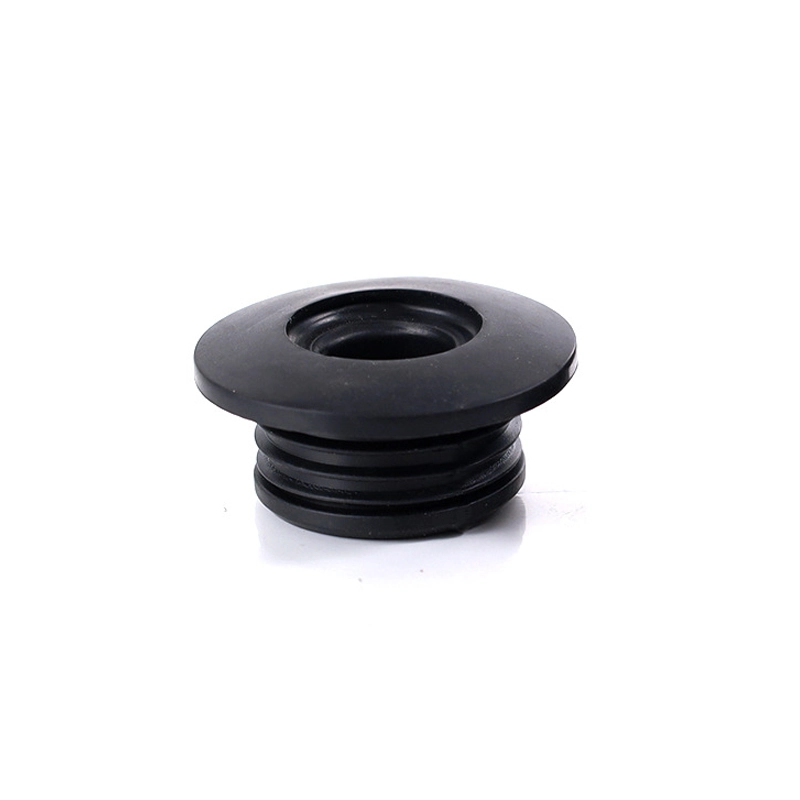 Urinal Sensor Inlet Seal Gasket Factory Replacement
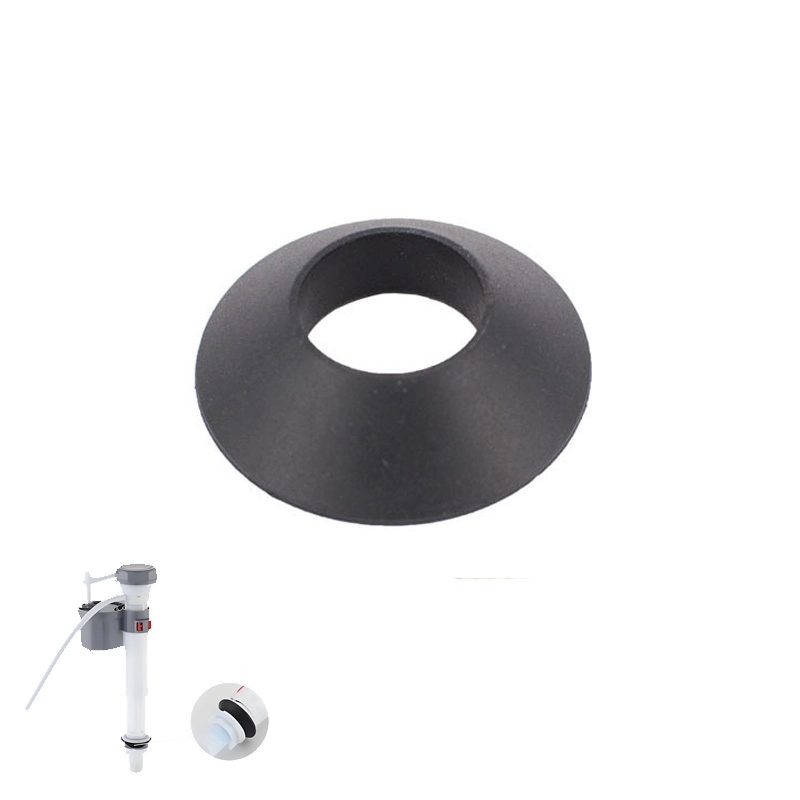 Toilet Tank Fill Valve Conical Seal Factory Replacement
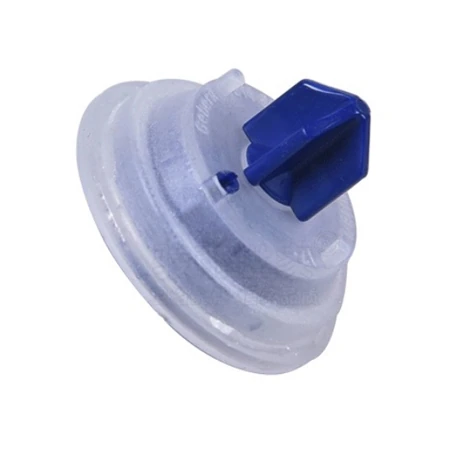 Wholesale Toilet Cistern Inlet Valve Diaphragm Washers
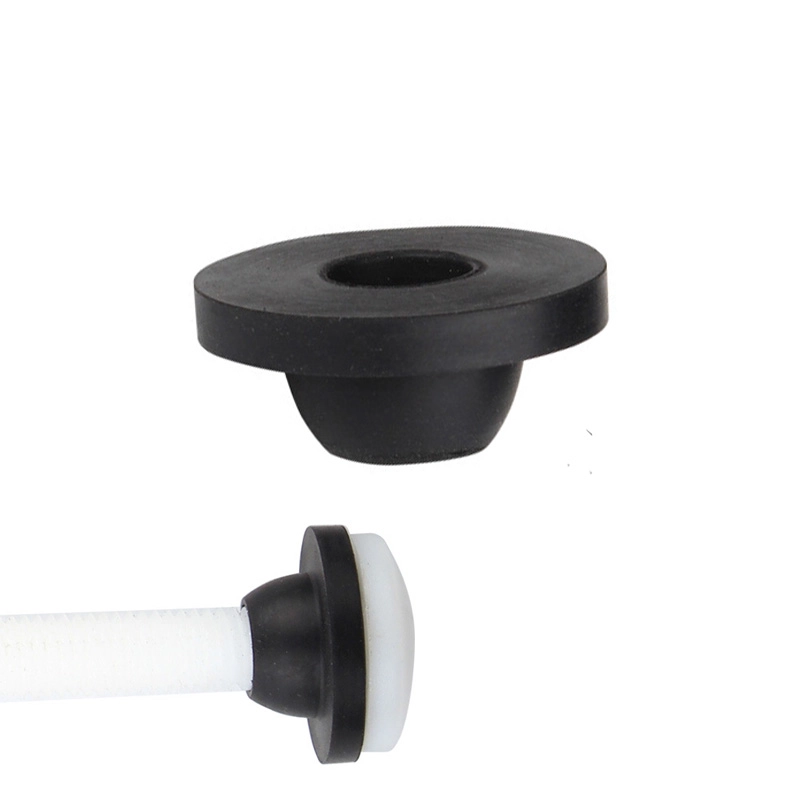 Conical Rubber Washers for Toilet Bolts Factory Wholesale